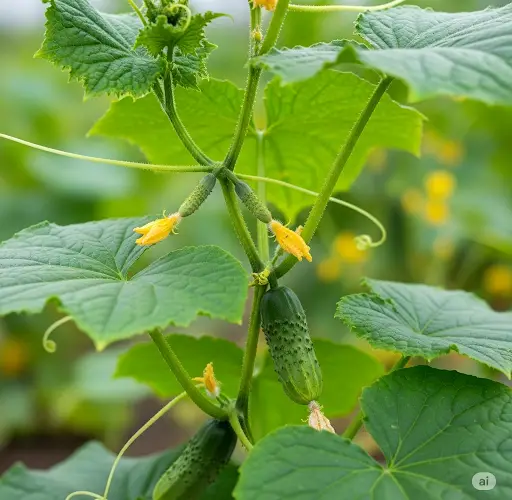
If you’re growing cucumbers this season, there’s a crucial window you shouldn’t miss. By applying a powerful yet natural nutrient mix before the end of July, you can dramatically increase your cucumber yield and help your plants stay strong and disease-resistant through the rest of the summer.
Cucumbers are one of the most rewarding vegetables to grow in a home garden—but they also have their vulnerabilities. In midsummer, they often slow down, become prone to powdery mildew or fungal diseases, and produce fewer fruits. This technique offers a way to stop those problems before they start—and encourage vigorous fruiting for weeks to come.
Here’s how it works, why it’s so effective, and exactly how to apply it in your garden.
Why Cucumbers Struggle Mid-Season
By the end of July, many cucumber plants begin to show signs of fatigue. Common problems include:
-
Lower fruit production
-
Thinning vines and yellowing leaves
-
Fungal diseases like powdery mildew
-
Stunted growth due to hot weather and soil nutrient depletion
These issues are often the result of nutrient exhaustion, compacted soil, or reduced microbial activity in the root zone.
This is where a midseason feeding becomes essential—especially if it’s tailored to what cucumbers need most: potassium, phosphorus, natural growth stimulants, and protection from disease.
The Mid-July Booster: Natural Fertilizer Mix for Cucumbers
This homemade solution is easy to make, highly effective, and completely safe for edible crops. It improves flowering, strengthens the immune system, and helps cucumbers grow larger and more abundantly.
Ingredients:
-
1 liter of warm, non-chlorinated water
-
1 tablespoon of wood ash
-
1 teaspoon of baking soda
-
1 teaspoon of dry yeast
-
1 tablespoon of sugar
Each ingredient plays a specific role:
-
Wood ash is rich in potassium and phosphorus—key nutrients for fruit development.
-
Baking soda helps prevent fungal infections like powdery mildew.
-
Yeast stimulates microbial life and supports healthy root development.
-
Sugar serves as food for beneficial soil organisms that help release nutrients.
How to Make the Fertilizer
-
Dissolve the sugar and dry yeast in 200 ml of warm water. Let sit for 10–15 minutes until foamy.
-
In the remaining 800 ml of warm water, mix in the wood ash and baking soda. Stir well.
-
Combine the yeast mixture with the ash and soda solution. Mix thoroughly.
Let the solution rest for 5–10 minutes before applying to ensure the ingredients activate.
How to Use It
-
Apply this solution in the morning or early evening when temperatures are cooler.
-
Pour around the base of each cucumber plant—avoid getting the mixture on leaves or stems.
-
Use 250–300 ml per plant every 10–14 days until late August.
-
Water the plants lightly beforehand if the soil is dry to allow better absorption.
This method can also be used as a preventative during rainy periods when fungal diseases tend to spread.
What to Expect After Application
Gardeners often report impressive results just days after the first treatment:
-
New flowers and baby cucumbers appear quickly
-
Leaves regain their green color and strength
-
Plants become more vigorous and resilient
-
Fungal symptoms decrease or disappear
By feeding your cucumbers exactly what they need before the hottest stretch of summer, you give them the strength to keep producing well into September.
Why This Method Works
This natural fertilizer works on three levels:
-
Nutritional Boost – Wood ash supplies potassium and phosphorus, essential for fruit set and development.
-
Microbial Activation – Yeast and sugar activate beneficial microbes that help release locked-up nutrients in the soil.
-
Disease Prevention – Baking soda creates an unfavorable environment for fungi, reducing the chance of leaf infections.
Together, these components support a healthy, productive root system and improve the plant’s ability to convert energy into cucumbers.
Additional Tips for a Bountiful Cucumber Harvest
-
Harvest cucumbers regularly to encourage continuous fruiting.
-
Mulch with straw or grass clippings to keep soil cool and moist.
-
Provide vertical support with a trellis or cage to improve air circulation and reduce disease risk.
-
Avoid overhead watering to keep leaves dry and prevent mildew.
Final Thoughts: Don’t Miss the Midseason Window
Applying this simple, natural solution before the end of July is one of the easiest ways to supercharge your cucumber plants. You’ll not only protect them from disease but also extend their productivity—leading to a richer, healthier, and more flavorful harvest.
Try this midseason feeding today, and your cucumber patch will reward you with crisp, abundant fruits for the rest of the summer.


