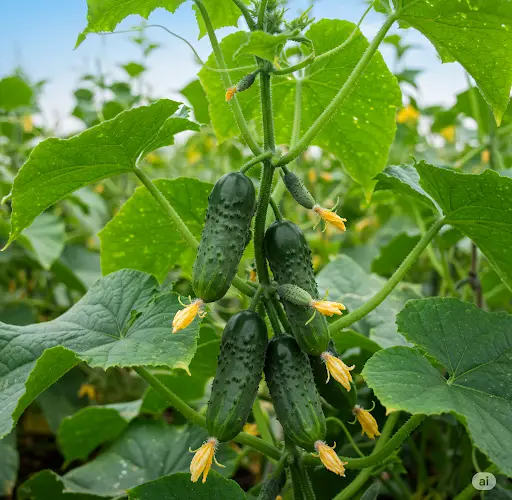
If you’ve ever grown cucumbers in your garden, you know how satisfying it is to harvest a few fresh fruits from each plant. But what if you could harvest up to 45 pounds (about 20 kg) from just one cucumber bush? It might sound unbelievable, but with the right planting technique and care, this result is entirely achievable—even for home gardeners.
This method focuses on soil preparation, spacing, fertilization, and proper support. When all of these factors work together, your cucumber plant can produce abundantly throughout the growing season. Here’s exactly how to set up your cucumber bed for maximum yield.
Step 1: Choose the Right Variety
Before planting, it’s essential to choose the right type of cucumber. Not all varieties are equal in terms of productivity. For high yields, look for parthenocarpic or self-pollinating hybrid varieties, especially if you’re growing in greenhouses or areas with fewer pollinators.
Popular high-yielding varieties include:
-
F1 hybrids such as ‘Hector,’ ‘Dirigent,’ and ‘Crispina’
-
Bush cucumbers for small spaces
-
Trellised types for vertical growth and better air circulation
Choose a variety known for extended fruiting and disease resistance.
Step 2: Proper Soil Preparation
The foundation of a successful cucumber crop lies in the soil. Cucumbers thrive in fertile, loose, and well-drained soil with a neutral to slightly acidic pH (6.0–7.0).
Here’s how to prepare your soil for maximum productivity:
-
Loosen the soil to a depth of at least 12 inches (30 cm).
-
Add organic matter such as compost or well-rotted manure. This not only enriches the soil with nutrients but improves aeration and water retention.
-
Incorporate wood ash in small amounts to supply potassium, a vital nutrient for fruit formation.
-
Mix in bone meal or superphosphate to provide phosphorus, which boosts root development.
Let the soil rest for a few days after preparing it before planting your cucumbers.
Step 3: Correct Planting Technique
To get massive yields from one plant, spacing and planting technique are crucial. The idea is to give your plant all the room and resources it needs to develop a large root system and an extended vine network.
Planting tips:
-
Sow directly or transplant seedlings when the soil has warmed to at least 60°F (15°C).
-
Use raised beds or mounds to improve drainage and prevent root rot.
-
Space each plant at least 18–24 inches apart to avoid competition and ensure airflow.
-
Plant deeply, burying the stem up to the first true leaves. This encourages additional root growth along the buried portion, supporting vigorous development.
Step 4: Use Vertical Support
Cucumbers produce more fruit when grown vertically. Trellising encourages healthier plants, better airflow, and easier harvesting.
Why vertical growing increases yields:
-
Prevents contact with soil, reducing disease.
-
Allows better light penetration for leaves and fruit.
-
Saves space, enabling roots to grow deeper and stronger.
Use a strong trellis, mesh, or garden netting, and train the vine upward from the early stages.
Step 5: Strategic Feeding and Watering
A plant that’s expected to produce 45 pounds of fruit needs frequent feeding. Start fertilizing once the first true leaves appear, and continue throughout the growing season.
Feeding schedule:
-
At planting: Add a handful of compost, crushed eggshells, and wood ash into the planting hole.
-
Weekly: Use a balanced organic fertilizer, compost tea, or fermented plant-based feed.
-
During flowering and fruiting: Switch to high-potassium fertilizers such as ash tea or banana peel infusions.
Watering tips:
-
Keep soil consistently moist but not waterlogged.
-
Water at the base early in the morning or late in the day.
-
Avoid wetting the leaves to prevent fungal issues.
Mulching with straw or dried grass helps retain moisture and suppress weeds.
Step 6: Pruning and Maintenance
Cucumbers benefit from light pruning to control growth and improve fruit production. Remove lower yellowing leaves and side shoots that don’t bear flowers to redirect energy to fruit development.
Regularly check for pests like aphids, spider mites, or cucumber beetles. Neem oil sprays or garlic infusions can help keep these pests at bay.
Step 7: Harvest Frequently
Frequent harvesting encourages continuous fruiting. Don’t let cucumbers over-ripen or remain on the vine for too long, as this signals the plant to stop producing.
Harvest cucumbers when they’re firm, green, and about 6–8 inches long (depending on the variety). Use scissors or a knife to avoid damaging the plant.
Final Thoughts
With the right combination of variety selection, soil nutrition, planting depth, vertical support, and consistent feeding, it’s entirely possible to harvest up to 45 pounds of cucumbers from a single bush. This method not only boosts yields but also improves the overall health and lifespan of the plant.
Don’t underestimate what a single cucumber plant can do. Apply this smart planting strategy in your garden this season, and enjoy a harvest that exceeds expectations!


