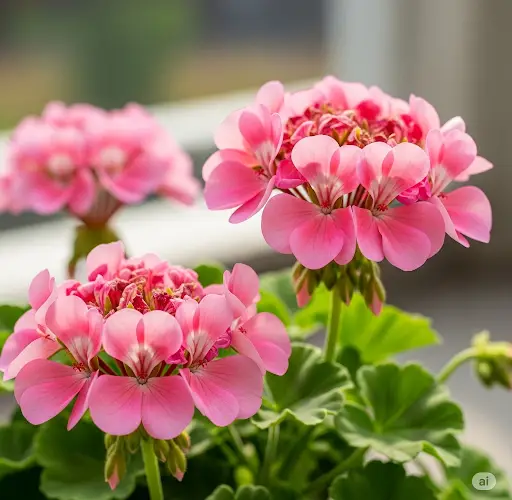
If you’ve ever struggled to get your geraniums or other flowering plants to bloom abundantly, you’re not alone. Many gardeners spend years experimenting with fertilizers and care routines without seeing the vibrant, lush flowers they desire. But sometimes, the simplest, oldest remedies are the most effective.
This article shares a beloved grandmother’s secret feeding recipe that has stood the test of time, known to bring out prolific blooms not just in geraniums but across a wide variety of flowering plants. Follow these steps, and your flowers will surprise you with their lush growth and colorful blossoms.
Why Geraniums Sometimes Fail to Bloom
Geraniums are generally hardy and easy to grow, but even they can disappoint when it comes to flowering. Common reasons for poor blooming include:
-
Nutrient Imbalance: Too much nitrogen encourages leafy growth at the expense of flowers.
-
Lack of Essential Micronutrients: Elements like potassium and phosphorus are critical for bud and flower development.
-
Improper Watering: Overwatering or underwatering stresses the plant and hampers flowering.
-
Light Deficiency: Geraniums need plenty of sunlight to produce flowers.
Understanding and correcting these issues is the first step toward lush blooming.
The Grandmother’s Feeding Recipe: Simple, Natural, and Powerful
This feeding recipe is based on natural, easily available ingredients that provide a balanced nutrient boost and improve soil health. It works by supplying the right nutrients in the right amounts while supporting beneficial microbial activity around the roots.
Ingredients:
-
1 teaspoon of wood ash (rich in potassium and trace minerals)
-
1 teaspoon of Epsom salt (magnesium sulfate, supports chlorophyll production and nutrient uptake)
-
1 tablespoon of sugar (natural energy source for soil microbes)
-
1 liter of warm water
Preparation:
-
Dissolve the wood ash and Epsom salt in the warm water.
-
Stir in the sugar until fully dissolved.
-
Allow the solution to cool to room temperature before use.
This blend supplies phosphorus and potassium to stimulate flower bud formation and magnesium to enhance photosynthesis, while sugar feeds helpful soil bacteria that improve root nutrient absorption.
How to Apply the Feeding Solution for Best Results
-
Water your plants lightly before application if the soil is dry.
-
Apply the feeding solution to the soil around the base of your geranium or flowering plant.
-
Use about 100-150 ml per plant (roughly half a cup), ensuring it soaks into the root zone.
-
Repeat the feeding every 2 to 3 weeks during the growing and flowering seasons (spring to early autumn).
Why This Method Works So Well
-
Wood Ash: Contains potassium, which promotes strong flowering and fruiting. It also raises soil pH slightly, which can be beneficial if your soil is too acidic.
-
Epsom Salt: Provides magnesium and sulfur, vital for chlorophyll production and overall plant vigor. Magnesium also helps plants absorb other nutrients more efficiently.
-
Sugar: Acts as a food source for beneficial microbes in the soil, boosting their population. Healthy soil microbes break down organic matter and release nutrients in forms plants can absorb more readily.
Together, these ingredients create a nourishing environment that encourages your plants to bloom lushly and continuously.
Additional Tips to Maximize Flowering
-
Light: Ensure your geraniums receive at least 5-6 hours of direct sunlight daily for optimal flower production.
-
Pruning: Regularly pinch back leggy stems to encourage branching and more flower buds.
-
Watering: Maintain consistent moisture without waterlogging the soil. Water when the top inch feels dry.
-
Soil: Use well-draining soil to prevent root rot and promote healthy growth.
Beyond Geraniums: This Recipe Works for Many Flowers
This grandmother’s recipe isn’t limited to geraniums. It has been successfully used to enhance flowering in:
-
Petunias
-
Marigolds
-
Begonias
-
Chrysanthemums
-
And many other flowering annuals and perennials
Try it on your favorite blooms and watch them transform into vibrant, lush flowering plants.
What to Expect After Using This Feeding Recipe
Within two to three weeks of the first application, you’ll likely notice:
-
Increased formation of flower buds
-
More vigorous and healthy leaf growth
-
Plants becoming bushier with more flowering stems
-
Brighter, more abundant blooms
Continued regular feeding through the growing season will maintain this lush flowering display.
Conclusion
Sometimes, the best gardening advice comes from the wisdom of past generations. This simple, natural feeding recipe combines essential nutrients and microbial nourishment to bring out the best in your geraniums and other flowering plants.
By applying this grandmother’s secret formula and following good care practices, you can finally enjoy the lush, colorful blooms you’ve always wanted. Give it a try, and prepare to be amazed by your plants’ transformation.


