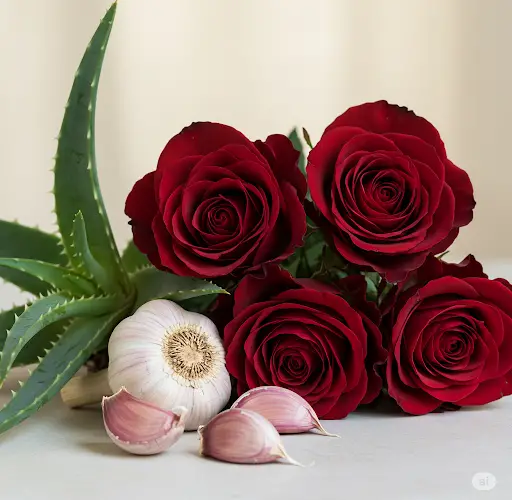
If you’re looking for a natural and highly effective way to propagate roses at home, look no further than your kitchen and garden. A simple mixture of garlic and aloe vera can serve as an excellent natural rooting solution—helping rose cuttings develop roots faster, grow stronger, and stay disease-free.
This method uses just one cup of a homemade “rooting water” blend and delivers impressive results without relying on chemical rooting hormones or synthetic boosters. Whether you’re an experienced gardener or a beginner trying rose propagation for the first time, this all-natural approach is easy, inexpensive, and surprisingly powerful.
Why Garlic and Aloe Vera?
Both garlic and aloe vera are packed with beneficial compounds that make them ideal for plant propagation:
-
Garlic contains natural antibacterial and antifungal properties. These protect cuttings from rot and disease during the delicate rooting stage.
-
Aloe vera is rich in enzymes, vitamins, amino acids, and growth hormones that encourage cell regeneration and stimulate root development.
Together, they create a gentle but effective rooting solution that supports healthy, fast-growing roots without the use of commercial chemicals.
What You’ll Need
To make your own garlic and aloe vera rooting water, gather the following:
-
1 clove of garlic (fresh)
-
1 aloe vera leaf (or about 3 tablespoons of aloe gel)
-
1 cup of clean water (filtered or dechlorinated is best)
-
A blender or mortar and pestle
-
A fine strainer or cheesecloth
-
Fresh rose cuttings (6–8 inches long)
-
Small containers or jars for soaking
-
Planting pots and soil (for later transplanting)
Step-by-Step Guide
1. Prepare the Rose Cuttings
Begin with healthy rose cuttings about 6–8 inches long. Choose semi-hardwood stems—firm but still green. Cut just below a node using sharp scissors or a clean knife. Remove all flowers and buds, and trim the leaves, leaving only a couple at the top.
2. Make the Garlic and Aloe Rooting Solution
In a blender or bowl, combine:
-
1 small clove of garlic (peeled)
-
3 tablespoons of fresh aloe vera gel
-
1 cup of clean water
Blend until the garlic and aloe are well combined. If you don’t have a blender, mash the garlic and aloe manually and mix with water thoroughly. Strain the mixture using a fine mesh or cheesecloth to remove solids. You now have a cup of nutrient-rich rooting water.
3. Soak the Rose Cuttings
Place the base of the rose cuttings into the cup of garlic-aloe solution. Let them soak for 4–6 hours. This allows the stems to absorb the nutrients and natural growth stimulants from the solution, giving the rooting process a strong start.
4. Plant the Cuttings
After soaking, plant each cutting in a small pot filled with moist, well-draining soil. Use a pencil or stick to create a planting hole, insert the cutting about halfway into the soil, and press lightly to secure it.
5. Create a Mini Greenhouse (Optional)
To maintain humidity and encourage root development, cover the cutting loosely with a clear plastic bag or bottle. This creates a greenhouse effect that keeps moisture in and protects the cutting during the early stages.
6. Care and Monitoring
Place the pots in a warm, shaded area with bright but indirect sunlight. Mist the soil lightly every day to maintain consistent moisture, but avoid overwatering, which can lead to rot. After a few weeks, gently tug on the cuttings—if they resist, roots have begun to form.
What to Expect
Rose cuttings soaked in this garlic and aloe vera mixture generally show early signs of rooting within 10 to 14 days. By 3 to 4 weeks, you may notice new leaf growth—an encouraging sign that strong roots are developing below the surface.
Once the roots are established (typically after 4–5 weeks), you can transplant the new rose plant into a larger container or directly into the garden.
Additional Tips
-
Use fresh ingredients: Garlic and aloe are most effective when freshly harvested.
-
Avoid chlorinated water: Tap water with chlorine can inhibit root formation. Use filtered or boiled (then cooled) water if necessary.
-
Sterilize tools: Clean blades prevent the spread of disease between plants.
-
Label your pots: If you’re experimenting with multiple rose varieties, labels help track progress.
Benefits of Natural Rooting Water
Unlike chemical rooting powders or gels, garlic and aloe vera offer a gentle, organic alternative that’s safer for your garden, pets, and the environment. Plus, using items you already have at home makes this method both sustainable and cost-effective.
It’s also an ideal approach for gardeners who prefer low-intervention techniques or want to avoid synthetic inputs altogether. With this one-cup solution, you’re not just propagating roses—you’re practicing resourceful and responsible gardening.
Final Thoughts
Garlic and aloe vera rooting water is a surprisingly powerful way to jumpstart rose propagation at home. With just a few ingredients and a single cup of solution, you can help your cuttings develop strong roots quickly, all without the use of synthetic chemicals. Whether you’re growing roses on your balcony or in a backyard garden, this natural technique is worth trying—and may just become your go-to method for propagating flowering plants.


