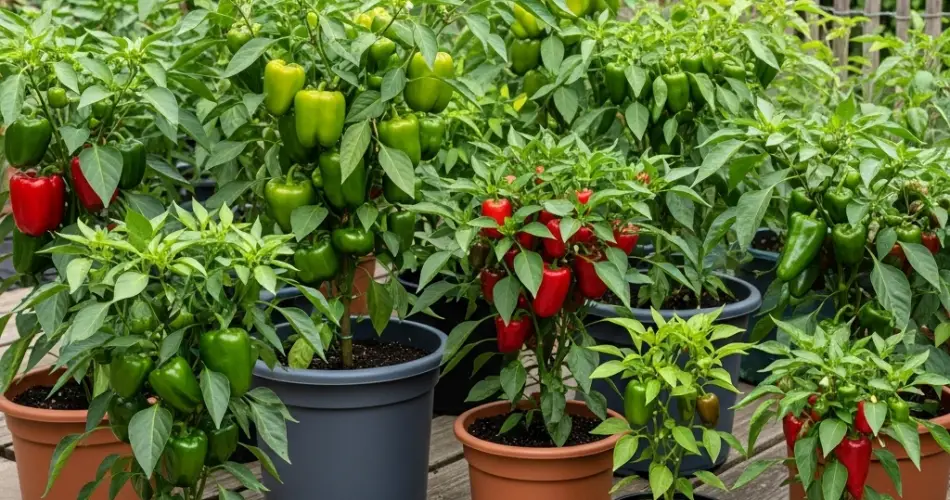
Growing peppers at home, especially in pots, is an incredibly rewarding experience. Whether you love the spicy kick of chili peppers or the sweet crunch of bell peppers, cultivating these plants in containers is a practical and enjoyable way to ensure a fresh supply year-round. Not only is it convenient, but growing peppers in pots can also give you better control over their environment, leading to healthier plants and bigger yields.
This article will guide you through why growing peppers in pots is so beneficial, how to get started, and what care tips will maximize your harvest. By the end, you’ll be ready to start your own pepper garden at home—even if you only have a small balcony or patio.
Why Grow Peppers in Pots?
Many people think growing peppers requires a large garden, but the truth is, peppers thrive very well in containers. Here’s why growing peppers in pots is a smart choice:
-
Space-saving: Ideal for urban gardeners, apartment dwellers, or anyone with limited outdoor space.
-
Control over soil quality: You can choose and amend the soil specifically for peppers, ensuring optimal drainage and fertility.
-
Mobility: Pots can be moved to catch the best sunlight or protect plants from harsh weather.
-
Pest management: Growing in pots reduces exposure to many soil-borne pests and diseases.
-
Year-round growing: With portable pots, you can bring plants indoors during cold seasons or extend the growing period.
Choosing the Right Pot and Soil
To start growing peppers in pots, selecting the right container and soil mix is essential:
-
Pot size: Use containers that are at least 10 to 12 inches deep and wide. Larger pots support bigger plants and more fruit.
-
Drainage: Ensure your pot has drainage holes to prevent waterlogging, which can lead to root rot.
-
Soil: Use a well-draining potting mix rich in organic matter. Avoid garden soil, which may compact and retain too much water.
You can enhance your potting mix by adding perlite or vermiculite to improve aeration and drainage, as well as some slow-release organic fertilizer to feed your peppers.
Planting Your Peppers
-
Starting seeds: If starting from seeds, sow them indoors 8-10 weeks before the last frost. Keep them warm and moist until seedlings emerge.
-
Transplanting seedlings: Once seedlings develop several leaves and outdoor temperatures stay above 60°F (15°C), transplant them into pots.
-
Spacing: Plant one pepper per pot to allow sufficient room for roots and foliage.
If you prefer, you can also purchase young pepper plants from nurseries for faster results.
Care Tips for Growing Peppers in Pots
Peppers need some specific care to thrive and produce abundant fruit:
-
Sunlight: Peppers love full sun. Position your pots where they receive at least 6–8 hours of direct sunlight daily.
-
Watering: Keep the soil consistently moist but not soggy. Water when the top inch of soil feels dry. Overwatering can cause root diseases.
-
Feeding: Apply a balanced organic fertilizer every 3-4 weeks or use compost tea to supply essential nutrients.
-
Temperature: Peppers grow best in warm conditions between 70-85°F (21-29°C). Protect plants from cold drafts and sudden temperature changes.
-
Support: Taller pepper varieties may need stakes or cages to keep plants upright as they develop heavy fruit.
-
Pruning: Remove any yellow or damaged leaves to encourage airflow and reduce disease risk.
Harvesting Your Peppers
One of the best parts of growing peppers in pots is harvesting fresh produce right at your doorstep. Peppers can be picked when they reach their mature size and color, which varies by variety. Some common types include:
-
Bell peppers: Usually harvested when green, but letting them ripen to red, yellow, or orange enhances sweetness.
-
Hot peppers: Harvest when they achieve their full size and characteristic color—usually red or orange.
Use scissors or garden shears to cut peppers from the plant to avoid damaging branches.
Troubleshooting Common Issues
-
Blossom drop: This can happen due to inconsistent watering, extreme heat, or lack of pollination. Maintaining steady moisture and gently shaking plants to simulate pollination can help.
-
Pests: Watch for aphids, spider mites, and whiteflies. Treat infestations with insecticidal soap or neem oil.
-
Nutrient deficiencies: Yellowing leaves or poor growth may indicate nutrient shortages—adjust feeding accordingly.
Benefits Beyond the Harvest
Growing peppers in pots also offers intangible rewards:
-
Satisfaction: Watching your plants grow and produce fruit is fulfilling and reduces stress.
-
Healthier eating: Fresh homegrown peppers contain more nutrients and flavor than store-bought ones.
-
Decor: Pepper plants add greenery and colorful fruits, brightening your balcony or kitchen.
Final Thoughts
If you’ve been hesitant about growing peppers because you lack garden space, now is the time to try container gardening. With just a few simple steps and some care, you can enjoy fresh, homegrown peppers all season long.
Start today by selecting the right pot, preparing nutrient-rich soil, and planting your favorite pepper variety. Soon enough, you’ll be harvesting peppers that enhance your meals and bring a touch of nature right to your home.
Happy gardening!


