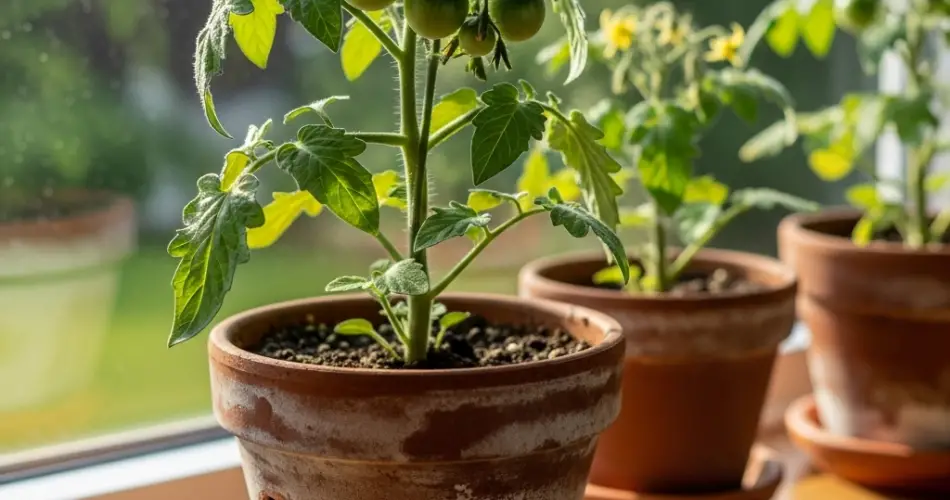
Tomatoes are one of the most rewarding crops for container gardening. With their juicy fruits, rich flavor, and versatility in the kitchen, it’s no surprise they are a favorite among home gardeners. The best part? You don’t need a large garden to grow them. With a few pots and some care, you can enjoy fresh, homegrown tomatoes on your balcony, patio, or even windowsill.
Why Grow Tomatoes in Pots?
Growing tomatoes in containers offers several advantages. First, it gives you full control over soil quality, drainage, and placement. You can move pots to chase the sun or protect plants from heavy rain or strong winds. Container growing also helps manage pests and soil-borne diseases more effectively.
For those with limited space—such as apartment dwellers or city gardeners—pots allow anyone to grow tomatoes, regardless of access to a garden plot.
Best Tomato Varieties for Containers
Not all tomato plants are created equal when it comes to pot gardening. While many varieties can be grown in containers, compact or determinate types are particularly well-suited for small spaces. Some excellent options include:
-
‘Tiny Tim’: A dwarf cherry tomato that thrives in small pots.
-
‘Bush Early Girl’: A compact plant that produces early and abundantly.
-
‘Patio Princess’: Designed for container life, with sweet, medium-sized fruits.
-
‘Roma’: Great for sauces and pastes, grows well in larger containers.
-
‘Balcony’: As the name suggests, ideal for small outdoor spaces.
Indeterminate (vining) varieties like ‘Sungold’ or ‘Sweet Million’ can still be grown in containers but need larger pots and more support.
Choosing the Right Container
Tomatoes need plenty of room for their roots. A container that’s too small will restrict growth and reduce yield. For best results:
-
Use a minimum 5-gallon container per plant (larger is better).
-
Choose pots at least 12–18 inches deep.
-
Ensure good drainage holes to prevent soggy soil.
-
Plastic, terracotta, or grow bags all work well—just make sure they’re sturdy.
You can also recycle buckets, tubs, or crates as long as drainage is managed.
Soil and Fertilizer
Tomatoes thrive in fertile, well-draining soil. Avoid using plain garden soil, which can compact in containers and harbor pests. Instead, mix:
-
2 parts quality potting soil
-
1 part compost or worm castings
-
A handful of perlite or coarse sand for better drainage
Before planting, enrich the soil with a balanced organic fertilizer. Tomatoes are heavy feeders, so ongoing nutrition is essential. Use a tomato-specific fertilizer or one rich in phosphorus and potassium every 2–3 weeks.
Planting Tips
Start with healthy seedlings or grow your own from seed indoors. Transplant after the last frost date when temperatures are consistently above 15°C (60°F).
-
Bury part of the stem when planting—tomatoes can grow roots from the stem, leading to stronger plants.
-
Water thoroughly after transplanting.
-
Add mulch (like straw or dried leaves) to retain moisture and suppress weeds.
Sunlight and Watering
Tomatoes love the sun. Make sure your containers get at least 6–8 hours of direct sunlight daily. If you’re growing indoors, position near a south-facing window or use grow lights.
Consistent watering is key:
-
Water when the top inch of soil is dry.
-
Deep water to reach the roots—avoid shallow, frequent watering.
-
Try bottom watering or drip irrigation to reduce fungal diseases.
Avoid wetting the leaves, as damp foliage can lead to issues like blight or mildew.
Supporting Your Plants
Even compact tomato plants benefit from some support. As they grow, use:
-
Small stakes for determinate varieties
-
Tomato cages or trellises for indeterminate types
Tie the stems loosely with soft twine or garden clips to keep the plant upright and prevent fruit from dragging on the soil.
Common Issues and Solutions
-
Yellowing leaves: Often due to overwatering or nutrient deficiency. Adjust accordingly.
-
Blossom end rot: A calcium imbalance—use a tomato fertilizer and maintain consistent watering.
-
Aphids or whiteflies: Spray with neem oil or soapy water to keep pests at bay.
-
Cracking fruit: Caused by irregular watering—keep the soil moisture steady.
Regularly inspect your plants for signs of stress, pests, or disease. Early intervention can save your harvest.
Harvesting Your Tomatoes
Tomatoes are ready to harvest when they are fully colored and slightly soft to the touch. Pick them gently to avoid damaging the plant. Harvesting encourages the plant to produce more fruit, so don’t leave ripe tomatoes hanging too long.
If colder weather arrives and you still have green tomatoes, you can pick them and let them ripen indoors on a windowsill.
Conclusion
Growing tomatoes in pots is an accessible and satisfying way to enjoy fresh, flavorful fruits at home. With the right setup, regular care, and a bit of sunshine, your container garden can yield a steady supply of tomatoes for salads, sauces, sandwiches—or that perfect homemade pasta dish. Whether you’re a beginner or an experienced gardener, pot-grown tomatoes are always a good idea.


