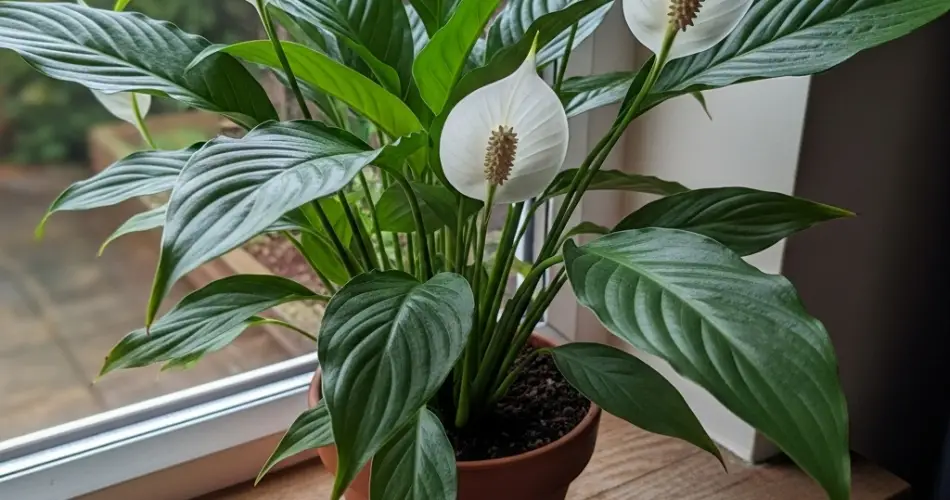
The peace lily (Spathiphyllum) is one of the most popular indoor plants because of its graceful green leaves, elegant white flowers, and forgiving nature. However, even though it is often considered a beginner-friendly plant, it can sometimes show signs of distress when its watering needs are not properly met. A drooping peace lily is a common sight, but the good news is that in most cases, this problem is easy to fix with a few simple adjustments. By learning the right watering habits, you can transform your plant from limp and tired-looking to vibrant and upright once again.
Why Peace Lilies Droop
The most common reason a peace lily droops is inconsistent watering. Unlike some houseplants that prefer to dry out completely, peace lilies need a steady level of moisture. When the soil becomes too dry, the leaves quickly lose turgor pressure, causing them to wilt dramatically. This can look alarming, but the plant is actually signaling its need for water.
On the other hand, overwatering can be just as damaging. Roots sitting in waterlogged soil become deprived of oxygen, leading to root rot. A peace lily suffering from this condition may also droop, but unlike underwatering, it does not bounce back quickly after watering. Distinguishing between these two problems is essential to properly rescuing your plant.
Signs of Underwatering
-
Leaves droop suddenly and appear limp
-
Soil feels dry to the touch, pulling away from the edges of the pot
-
Plant revives quickly within hours of watering
Signs of Overwatering
-
Persistent drooping even after watering
-
Yellowing leaves starting from the lower part of the plant
-
Mushy roots and foul-smelling soil
-
Mold or fungus on the soil surface
By observing these clues, you can determine whether your plant is thirsty or drowning.
Establishing a Healthy Watering Routine
The key to keeping a peace lily thriving is to maintain consistently moist but not soggy soil. Here are some watering tips that can help restore your plant’s vigor:
1. Check the Soil Regularly
Before watering, stick your finger about an inch into the soil. If it feels dry at that depth, it’s time to water. If it still feels slightly damp, wait a day or two. This simple method prevents both overwatering and underwatering.
2. Use the Right Water
Peace lilies are sensitive to chemicals commonly found in tap water, such as chlorine and fluoride. If possible, use filtered or distilled water. Alternatively, let tap water sit out overnight before using it, which allows some of the chemicals to dissipate.
3. Water Evenly
Pour water evenly around the pot until you see excess draining out of the bottom. This ensures that the entire root system gets hydrated. Avoid shallow watering, which only moistens the top layer of soil.
4. Drainage Matters
Always keep your peace lily in a pot with drainage holes. Excess water must be able to escape; otherwise, roots will suffocate. Empty the saucer under the pot after watering to prevent stagnant water buildup.
5. Create a Schedule but Stay Flexible
Many peace lilies thrive on a weekly watering schedule, but this can vary depending on your home’s humidity, temperature, and light conditions. Instead of sticking rigidly to a calendar, use the soil check method as your main guide.
Extra Care for Revival
If your peace lily is already drooping severely, don’t panic. Most plants recover quickly once their needs are met. After watering a thirsty peace lily, you’ll often see the leaves perk up within a few hours. If overwatering is the issue, allow the soil to dry out partially before watering again. In more serious cases, repotting into fresh soil may be necessary to remove rotting roots.
To further support recovery, trim off any yellow or brown leaves. This helps the plant redirect its energy toward producing healthy new growth. You can also wipe the leaves with a damp cloth to remove dust, allowing them to photosynthesize more effectively.
Preventing Future Droopiness
Consistency is the secret to keeping your peace lily looking perky. Place it in a location with bright, indirect light, away from direct sun that can scorch the leaves. Moderate indoor temperatures between 18–27°C (65–80°F) are ideal. Increasing humidity with a pebble tray or humidifier can also make a noticeable difference, especially in dry indoor environments.
A Rewarding Houseplant
One of the joys of growing peace lilies is their resilience. Even if you neglect them for a while, they often bounce back with proper care. By paying attention to their signals and adjusting your watering habits, you can enjoy a lush, healthy plant that continues to brighten your space with its elegant presence.
A drooping peace lily is not a lost cause—it’s simply a gentle reminder from the plant that something needs adjusting. With better watering habits, you can bring it back to life and ensure it thrives for years to come.


