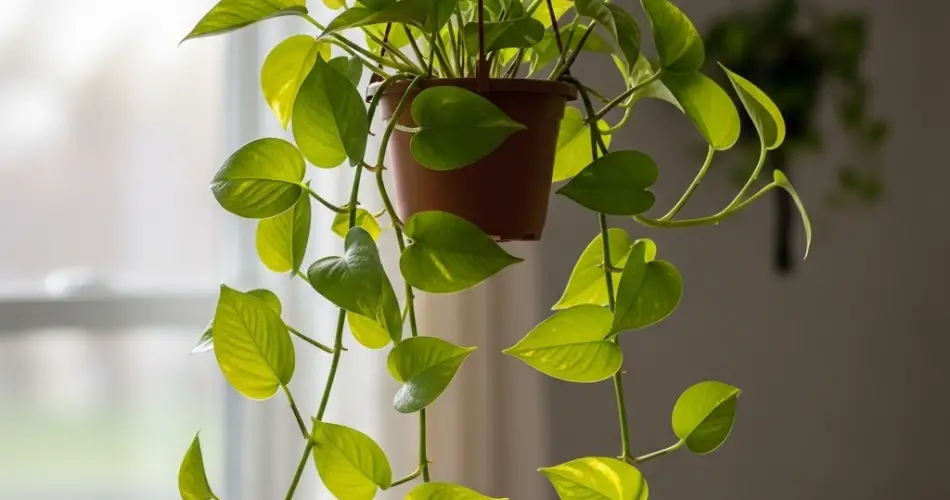
Pothos (Epipremnum aureum), also known as Devil’s Ivy, is one of the most versatile and forgiving indoor plants you can grow. Its trailing vines, heart-shaped leaves, and easy-going nature make it a favorite for both beginners and seasoned plant enthusiasts. Best of all, pothos plants are simple to propagate and grow, meaning you can start with just a few cuttings and end up with lush containers full of greenery.
This guide will take you through the entire journey—from selecting healthy cuttings to planting them in containers—so you can enjoy a thriving pothos collection in your home.
Step 1: Choosing Healthy Cuttings
The journey begins with choosing strong, healthy stems from an existing pothos plant. Look for vines with vibrant, green leaves and no signs of pests or disease. Each cutting should have at least 4–6 inches of stem and include one or two nodes—the small bumps along the vine where roots will form.
Using a clean, sharp pair of scissors or pruning shears, cut just below a node. This is important because roots grow from these nodes, not from the leaves or stem tips.
Step 2: Rooting in Water
One of the easiest and most rewarding ways to start pothos cuttings is in water. Place your cuttings in a glass or jar filled with room-temperature water, making sure at least one node is submerged while keeping the leaves above water to prevent rot.
Position the jar in bright, indirect light. Within 1–2 weeks, you should see white roots beginning to form. Change the water every few days to keep it fresh and oxygenated. Once the roots are at least 2–3 inches long, your cuttings are ready for planting in soil.
Step 3: Transitioning to Soil
While pothos can live in water indefinitely, planting them in soil encourages stronger growth and fuller foliage. Choose a container with drainage holes and fill it with a well-draining potting mix—something light and airy to prevent soggy roots. A mixture of standard indoor potting soil with a bit of perlite works well.
Create small holes in the soil for your cuttings, gently place them in, and cover the roots completely. Firm the soil lightly around the base to secure the stems. Water thoroughly after planting, allowing the excess to drain out.
Step 4: Container Selection and Arrangement
Pothos plants are highly adaptable and can thrive in many types of containers—from sleek ceramic pots to hanging baskets and even repurposed jars. Choose a pot size that gives your plant’s roots enough room to grow without being excessively large, as too much soil can hold excess moisture.
For a fuller appearance, plant several rooted cuttings in the same pot. As the vines grow, they’ll intertwine, creating a lush display. Hanging containers allow the vines to cascade beautifully, while upright pots can be paired with a trellis for vertical growth.
Step 5: Light, Water, and Maintenance
Pothos is known for thriving in a variety of light conditions, but bright, indirect light will produce the healthiest, most vibrant leaves. They can tolerate lower light levels, though growth may slow and leaf variegation may fade.
Water when the top 2 inches of soil feel dry to the touch. Pothos plants prefer slightly dry conditions over constantly wet soil, so avoid overwatering. Always empty excess water from saucers to prevent root rot.
Every few months, wipe the leaves with a damp cloth to remove dust. This not only keeps your plant looking fresh but also helps it photosynthesize more efficiently.
Step 6: Encouraging Full, Bushy Growth
If your pothos becomes too leggy or long, trim the vines back just above a node. This pruning encourages branching and fuller growth. The cuttings you remove can be rooted in water or soil to create more plants—continuing the cycle of propagation.
You can also pinch off the growing tips occasionally to redirect energy toward side shoots, resulting in a denser plant.
Step 7: Dealing with Common Issues
While pothos is generally pest-resistant, it’s not immune to problems. Watch out for:
-
Yellow leaves – Usually caused by overwatering. Let the soil dry before watering again.
-
Brown tips – May result from low humidity or inconsistent watering.
-
Pests – Rare, but spider mites or mealybugs can appear. Wipe leaves with soapy water or use insecticidal spray if necessary.
The Joy of a Continuous Cycle
One of the most satisfying things about growing pothos is the ability to create an endless supply of plants. Every time you prune, you can root the cuttings to start new pots, give them to friends, or even decorate multiple rooms with matching greenery.
With just a little attention to watering, lighting, and occasional trimming, your pothos will reward you with year-round beauty and steady growth. From a single stem in a jar of water to overflowing containers of cascading vines, the pothos plant journey is as enjoyable as it is easy.


