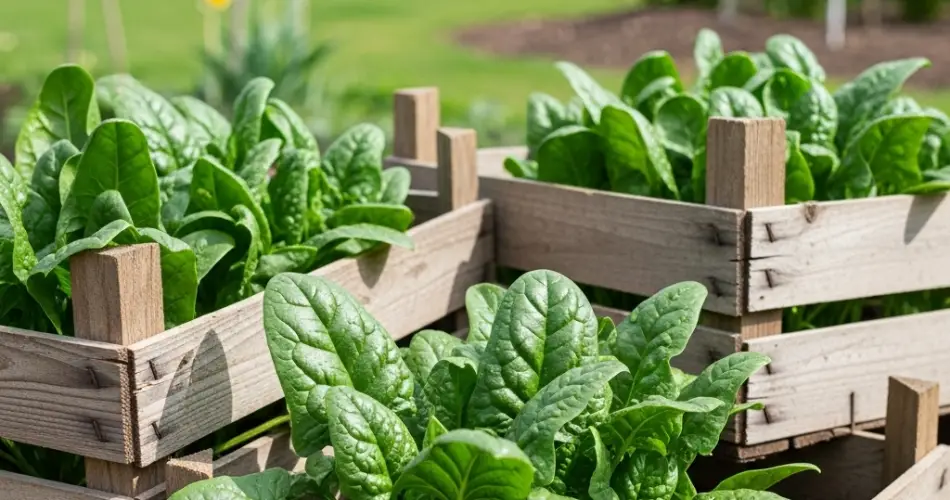
Growing spinach at home doesn’t require a sprawling garden—just a recycled crate, a bit of sunlight, and some care. Whether you’re blending it into smoothies or tossing it into salads, spinach is a nutritious leafy green that grows quickly and thrives in containers. Using crates as planters is a practical, space-saving method that’s perfect for balconies, patios, or small backyards.
This guide will walk you through how to grow fresh, organic spinach in crates—from seed to harvest.
Why Spinach Loves Crates
Spinach is well-suited to crate gardening thanks to its shallow root system and cool-weather preference. Crates offer excellent drainage and are easy to move to sunnier or shadier spots as needed. Plus, they’re a sustainable way to repurpose old wooden or plastic boxes, reducing waste while producing healthy food.
This method also minimizes bending and digging, making gardening more accessible for people with limited mobility or tight spaces.
What You’ll Need
To get started, gather the following materials:
-
A wooden or plastic crate (minimum 20 cm deep)
-
Landscape fabric, old burlap sack, or mesh (to line the crate)
-
High-quality potting mix with compost
-
Spinach seeds or seedlings
-
Watering can or spray bottle
-
Garden trowel or hand rake
Choose a location where the crate will receive at least 4–6 hours of sun daily. Spinach grows best in cool temperatures, ideally between 10°C and 21°C.
Preparing Your Crate
Start by lining the inside of the crate with landscape fabric or burlap. This will keep the soil in place while still allowing water to drain. You can staple or tuck the fabric securely around the inside edges.
Next, fill the crate with a light, fertile potting mix. Avoid using heavy garden soil, which compacts easily and can stunt root development. Mix in compost or worm castings to enrich the soil with nutrients that support leafy growth.
Water the mix lightly before planting—it should be moist but not soggy.
Sowing and Spacing
Spinach can be grown from seeds or transplants. If planting seeds directly, sow them about 1 cm deep and 5–7 cm apart. If using seedlings, transplant them carefully into the soil and space them about 10–15 cm apart.
Water gently after planting, and keep the soil consistently moist until germination. Seeds usually sprout within 5–10 days, depending on temperature.
To enjoy a longer harvest period, sow a new batch of seeds every two weeks.
Caring for Your Spinach
Spinach is relatively low-maintenance, but a few key practices will ensure a lush, productive crate:
-
Watering: Keep the soil evenly moist, especially during dry spells. Avoid overwatering, which can lead to root rot.
-
Feeding: Apply a diluted organic fertilizer or compost tea every 2–3 weeks to encourage strong, leafy growth.
-
Sunlight: Ensure the crate receives enough light. In hot climates, place it where it gets morning sun and afternoon shade.
-
Thinning: Once the seedlings are a few centimeters tall, thin them out to avoid overcrowding. This gives each plant enough space to grow and improves airflow.
Be mindful of pests like aphids, leaf miners, and snails. Remove them manually or apply natural solutions such as neem oil or insecticidal soap.
Harvesting Your Spinach
You can start harvesting spinach when the leaves are about 7–10 cm long. Use scissors to snip outer leaves first, allowing the plant to continue producing new ones. This “cut-and-come-again” method extends your harvest over several weeks.
If you prefer to harvest whole plants, wait until they’ve formed a full rosette, then cut at the base. Just be sure to do so before the plant bolts (starts to flower), as leaves turn bitter after bolting.
From Crate to Smoothie
Freshly harvested spinach can go straight into your kitchen for use in smoothies, salads, omelets, or sautés. Rich in iron, vitamins A and C, and antioxidants, it’s an easy way to boost the nutritional value of your meals.
After harvesting, rinse the leaves thoroughly and store them in a sealed container in the fridge. Spinach picked from your own crate garden is crisper and tastier than store-bought varieties—and you know exactly how it was grown.
Tips for Success
-
Cooler weather is best. Spinach tends to bolt in high heat. Grow it during early spring, fall, or mild winters.
-
Rotate crops if you plan to reuse the crate. This helps prevent soil-borne diseases.
-
Add mulch like straw or shredded leaves to conserve moisture and reduce weeds.
You can also grow spinach alongside other leafy greens like lettuce or arugula in a multi-plant crate for variety.
Final Thoughts
Crate gardening offers a convenient and eco-friendly way to grow spinach, even in the smallest urban spaces. With minimal materials and effort, you can enjoy a steady supply of fresh greens perfect for smoothies and beyond. Whether you’re new to gardening or just looking for a creative way to grow food at home, crate-grown spinach is a simple, satisfying choice that delivers from seed to smoothie.


