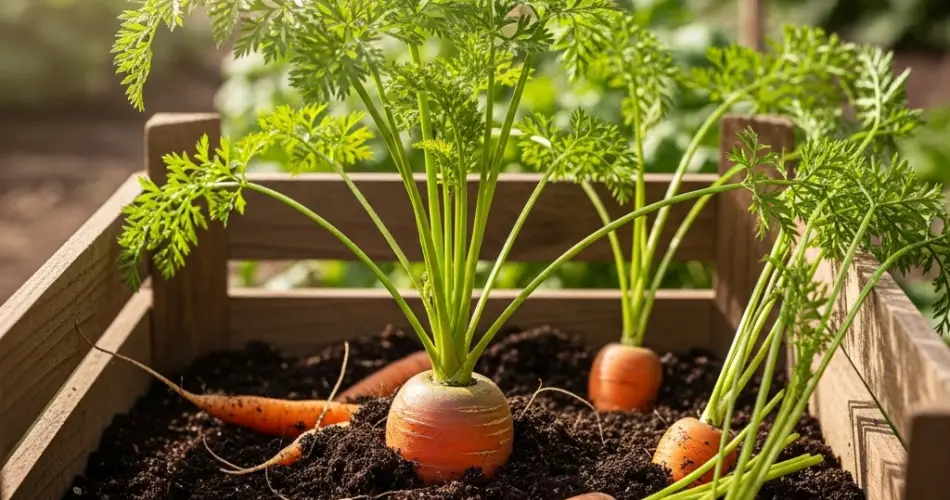
Carrots are one of the most popular vegetables to grow — sweet, crunchy, and versatile in the kitchen. While they’re often planted directly in the ground, carrots can thrive in crates, giving you full control over soil conditions and making it easier to manage pests, weeds, and watering.
With the right setup and care, you can enjoy fresh, homegrown carrots right from your patio, balcony, or backyard, even if you have limited space.
Why Grow Carrots in Crates?
Crate gardening is perfect for carrots because it solves some of the most common problems carrot growers face.
-
Soil Control – Carrots need loose, stone-free soil to develop straight, uniform roots. Crates let you create the ideal growing medium.
-
Space Efficiency – Perfect for small gardens or urban spaces.
-
Mobility – Move crates to maximize sunlight or protect from bad weather.
-
Fewer Pests – Raised containers can help reduce issues with carrot flies and other ground-dwelling pests.
Choosing the Right Crate
Carrots need enough depth to grow their long taproots without obstruction.
-
Depth – At least 12 inches for most carrot varieties; longer varieties may require 14–16 inches.
-
Width – A width of 18–24 inches allows multiple rows for a good harvest.
-
Material – Use untreated wood like cedar or pine to avoid chemicals leaching into the soil.
-
Drainage – Drill several holes in the bottom to prevent waterlogging.
-
Lining – Line with breathable fabric such as burlap or landscape cloth to retain soil while allowing drainage.
Preparing the Soil
Carrots thrive in light, well-draining soil free from rocks and debris. Heavy or compacted soil can cause roots to fork or become misshapen.
Ideal soil mix for crate-grown carrots:
-
50% quality garden soil or loam
-
30% compost (well-aged)
-
20% coarse sand or perlite for aeration
The ideal pH is between 6.0 and 6.8. Avoid adding too much nitrogen, which promotes leafy growth rather than root development.
Choosing the Right Carrot Variety
Different carrot varieties work better for different crate depths:
-
Short Varieties – ‘Paris Market’ or ‘Thumbelina’ are round and perfect for shallow crates.
-
Medium Varieties – ‘Nantes’ types grow 6–7 inches long and do well in standard crates.
-
Long Varieties – ‘Imperator’ or ‘Danvers’ types need deeper crates for full growth.
Planting Carrots in Crates
-
Direct Sowing – Carrots do not transplant well; plant seeds directly in the crate.
-
Depth – Sow seeds about ¼ inch deep.
-
Spacing – Scatter seeds thinly in rows spaced 3–4 inches apart. Overcrowding will lead to small, thin roots.
-
Watering After Planting – Water gently to avoid washing seeds away, and keep the soil moist until germination, which can take 10–21 days.
Caring for Carrots
-
Watering – Maintain consistent moisture; irregular watering can cause roots to crack. Water deeply once or twice a week, depending on weather.
-
Thinning – Once seedlings are 2 inches tall, thin to 2–3 inches apart to allow enough room for roots to grow.
-
Weeding – Remove weeds promptly to prevent competition for nutrients.
-
Mulching – Apply a light mulch layer to retain moisture and regulate soil temperature.
Common Problems and Solutions
-
Forked or Twisted Roots – Often caused by rocky or compact soil; use a smooth, loose soil mix.
-
Poor Germination – Carrot seeds can dry out quickly; cover with a light cloth or cardboard until seedlings emerge.
-
Carrot Fly Damage – Raised crates help reduce risk; for extra protection, cover crops with fine mesh netting.
Harvesting Carrots
Carrots are typically ready for harvest in 60–80 days, depending on the variety.
-
Checking Size – Brush away some soil at the base to see if the root has reached the desired length and thickness.
-
Harvesting – Loosen soil gently with your hand or a small tool, then pull from the base of the greens.
-
Timing – Harvest promptly once mature to avoid woody texture.
Storing and Using Your Harvest
Freshly harvested carrots can be stored in the refrigerator for several weeks. For longer storage, remove greens (they draw moisture from the roots) and store carrots in a cool, dark place in damp sand or sawdust.
Carrots are extremely versatile — enjoy them raw in salads, roasted for a sweet flavor, or blended into soups and stews.
From Crate to Crunch in Your Own Backyard
Growing carrots in crates is an easy, space-saving way to enjoy fresh, homegrown produce without the challenges of traditional in-ground gardening. By providing the right depth, loose soil, and consistent care, you can harvest straight, flavorful carrots from your own backyard or balcony.
In just a few months, you’ll be pulling crisp, sweet carrots from your crate and taking them straight to your table — proof that even a small growing space can deliver big rewards.


