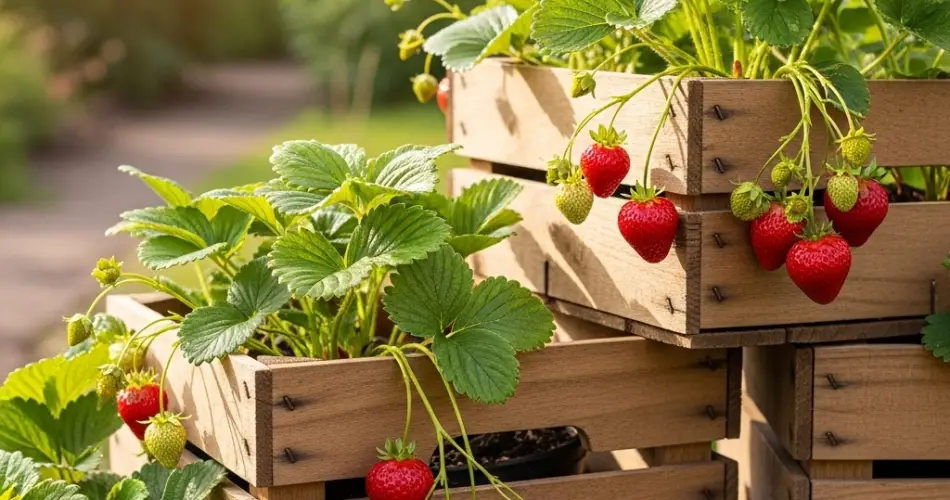
Strawberries are one of the most rewarding fruits to grow at home — sweet, fragrant, and far fresher than anything you’ll find at the store. You don’t need a sprawling garden to enjoy a generous harvest; strawberries thrive in boxes and containers, making them ideal for backyards, patios, and even balconies.
With the right setup, a bit of patience, and proper care, you can turn a simple wooden box into a thriving strawberry bed that produces delicious berries throughout the growing season.
Why Grow Strawberries in Boxes?
Growing strawberries in boxes offers several benefits:
-
Space Efficiency – Perfect for small yards or urban gardens.
-
Mobility – Move the box to maximize sunlight or protect plants from extreme weather.
-
Pest Reduction – Elevating plants makes them less accessible to slugs and crawling insects.
-
Soil Control – Fill boxes with the ideal mix for strawberries, free from weeds and poor drainage issues.
-
Easier Harvesting – Berries are kept cleaner and more accessible than those grown directly in the ground.
Choosing the Right Box
Your strawberry box should be wide enough to accommodate multiple plants but not so deep that you waste soil.
-
Size – A depth of 8–10 inches is sufficient for strawberries, which have shallow roots. Aim for a width of at least 18 inches so plants can spread comfortably.
-
Material – Use untreated wood like cedar or pine to avoid harmful chemicals leaching into the soil.
-
Drainage – Drill holes in the base to allow excess water to escape, preventing root rot.
-
Lining – A breathable liner such as landscape fabric can help retain soil while maintaining proper drainage.
Soil and Fertilizer Preparation
Strawberries thrive in slightly acidic, well-draining soil enriched with organic matter.
A good mix for box planting is:
-
40% quality garden soil or loam
-
40% compost (well-aged and nutrient-rich)
-
20% coarse sand or perlite for aeration
Aim for a pH between 5.5 and 6.5. Before planting, work in a slow-release organic fertilizer to give your berries a nutrient boost from the start.
Choosing the Right Strawberry Variety
There are three main types of strawberries:
-
June-bearing – Produce one large crop in early summer.
-
Ever-bearing – Yield two smaller crops, one in early summer and one in early fall.
-
Day-neutral – Produce berries continuously throughout the season in suitable conditions.
For continuous harvests, day-neutral or ever-bearing varieties are best for box growing. Popular choices include ‘Albion,’ ‘Seascape,’ and ‘Mara des Bois.’
Planting Your Strawberries
-
Spacing – Plant strawberries 12 inches apart to allow airflow and prevent disease.
-
Crown Position – Place plants so the crown (where leaves meet roots) is level with the soil surface. Burying the crown can cause rot.
-
Sunlight – Position the box where it will receive at least 6–8 hours of direct sunlight daily.
Care and Maintenance
-
Watering – Keep the soil consistently moist but not soggy. Strawberries have shallow roots, so they dry out quickly in hot weather.
-
Mulching – Use straw or pine needles to conserve moisture, keep fruit clean, and suppress weeds.
-
Fertilizing – Feed with a balanced liquid fertilizer every 3–4 weeks during the growing season for strong growth and abundant fruiting.
-
Pruning Runners – Strawberries send out runners that produce new plants. For bigger berries, remove runners; for more plants, allow a few runners to root.
Pest and Disease Management
While box planting reduces pest problems, it doesn’t eliminate them entirely.
-
Birds – Protect berries with netting.
-
Slugs – Keep the area dry and use copper tape around box edges if necessary.
-
Powdery Mildew – Ensure proper spacing and avoid overhead watering to reduce moisture on leaves.
Harvesting Your Strawberries
Pick strawberries when they are fully red and slightly soft to the touch. Harvest in the morning when berries are cool for the best flavor and shelf life. Handle them gently to avoid bruising.
Strawberries don’t ripen after picking, so only pick fruits at peak ripeness. Frequent harvesting encourages more flowers and berries.
Extending the Harvest
-
Succession Planting – Replace older plants after 3–4 years to maintain strong yields.
-
Mixing Varieties – Plant a combination of June-bearing and day-neutral types to enjoy both early and continuous harvests.
-
Overwintering – In colder climates, move boxes to a sheltered area or cover plants with straw to protect roots from freezing.
Enjoying the Results
Growing strawberries in boxes is a simple, space-saving method that delivers fresh, homegrown fruit right at your fingertips. Whether you enjoy them fresh from the plant, in desserts, or preserved as jam, the flavor and satisfaction of berries you’ve grown yourself are unmatched.
With the right box, soil mix, and consistent care, your backyard strawberry patch can produce sweet rewards for years to come.


