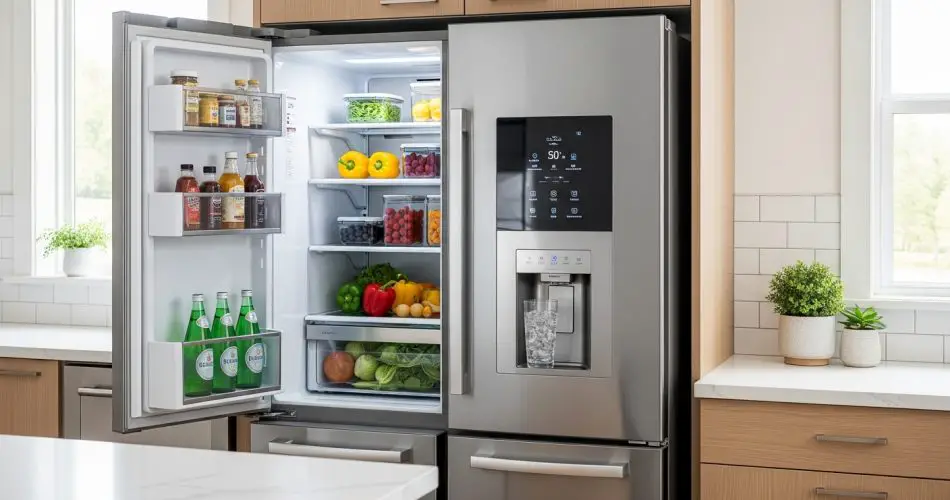
In recent years, households and businesses alike have been struggling with skyrocketing energy bills. The cost of electricity and gas has risen dramatically—by as much as 50% in some areas—pushing many families to rethink how they use their appliances. We’ve all heard the common advice: use the oven less often, avoid running half-full washing machines, and turn off unnecessary lights. Yet, there’s one crucial appliance that often goes overlooked when it comes to energy savings—the refrigerator.
Your fridge runs 24 hours a day, 7 days a week. It’s indispensable for keeping food fresh, but it’s also one of the biggest energy consumers in the household. Fortunately, by adjusting its temperature according to the season and the external climate, you can both preserve food properly and cut down on energy costs. Let’s explore why this simple adjustment makes such a big difference—and how to do it correctly.
Why the Right Refrigerator Temperature Matters
The refrigerator is designed to maintain a constant internal temperature that slows bacterial growth and keeps food fresh longer. However, the efficiency of the cooling system depends heavily on the surrounding environment. During summer, high ambient temperatures force the refrigerator’s motor to work harder to maintain a cool internal environment. Conversely, during winter, the cooler room temperature can make the appliance overperform—keeping your food too cold and wasting energy unnecessarily.
Understanding this balance is key to optimizing both food safety and energy efficiency. A refrigerator set too warm will allow food to spoil more quickly, while one set too cold not only wastes energy but can also damage the texture and quality of certain foods, such as fruits and vegetables.
The Ideal Temperature Range
According to most manufacturers and energy experts, the ideal refrigerator temperature should be between 4°C and 7°C (39°F to 44°F). If the internal temperature exceeds 7°C (44°F), bacteria can multiply quickly, leading to faster spoilage. On the other hand, temperatures below 4°C (39°F) may cause food to freeze or develop unwanted ice crystals, particularly in the refrigerator compartment.
For the freezer, the optimal temperature remains consistent year-round at around –18°C (0°F). This ensures that frozen foods stay safe for long-term storage without overloading your electricity consumption.
Seasonal Adjustments: What to Do and When
Just as you change your wardrobe with the seasons, you should also tweak your refrigerator settings. The external temperature affects how hard your fridge has to work to maintain its internal climate. Here’s a simple guideline to follow:
-
In summer: Lower the refrigerator temperature slightly (for example, from 5°C to 4°C). The higher ambient heat means your fridge will need a bit more cooling power to maintain safe food storage levels.
-
In winter: Raise the temperature by about one degree (for example, from 5°C to 6°C). Since the room is cooler, the appliance doesn’t need to work as hard to keep the inside cold, and this small adjustment can reduce energy consumption significantly.
These minor changes may seem trivial, but they can make a noticeable difference in your electricity bill over time.
How External Conditions Affect Your Fridge
Seasonal variations don’t just depend on the weather outside your window—indoor conditions matter too. For example, if your refrigerator is placed near a heat source such as an oven, stove, or radiator, it will naturally have to work harder. Similarly, air conditioners or space heaters can alter the temperature around the appliance and affect its efficiency.
To help your refrigerator maintain the correct temperature without wasting energy:
-
Keep it away from direct sunlight and heat sources.
-
Leave at least a few centimeters of space behind and beside the fridge to allow for proper air circulation.
-
Avoid placing hot food directly inside the refrigerator; let it cool down first.
-
Keep the door closed as much as possible—opening it frequently or leaving it ajar lets warm air in and forces the compressor to overwork.
Temperature Variations Inside the Fridge
It’s important to note that not all areas inside your refrigerator maintain the same temperature. Modern refrigerators are designed with zones that vary slightly in cooling intensity. Understanding these zones helps you store foods more effectively:
-
Top shelves: Usually the warmest area—ideal for ready-to-eat foods, leftovers, and dairy products.
-
Middle shelves: Great for cooked foods, eggs, and items you use frequently.
-
Bottom shelves: The coldest zone—perfect for storing raw meat, fish, and poultry. Always keep these in sealed containers to avoid cross-contamination.
-
Crisper drawers: Designed for fruits and vegetables, as humidity levels here are higher.
-
Door shelves: The warmest part of the fridge—best for condiments, juices, and items with natural preservatives. Avoid storing milk or eggs here, as they can spoil more quickly.
By placing foods in their optimal zones, you can further enhance the efficiency of your refrigerator and extend the shelf life of your groceries.
Modern Fridges Make It Easier
The good news is that most modern refrigerators come with user-friendly digital displays and adjustable thermostats, making it easy to modify settings as the seasons change. Some even feature energy-saving or “eco” modes that automatically adjust the cooling cycle based on external temperatures.
If your refrigerator still has a manual dial, take a few minutes to identify the right setting and make adjustments twice a year—once at the beginning of summer and once at the start of winter.
Small Adjustments, Big Savings
Managing your refrigerator temperature might not seem like a major step toward energy conservation, but when combined with other mindful habits, it can lead to significant long-term savings. Every degree of unnecessary cooling adds to your energy bill, while every degree optimized means less strain on the motor, fewer repairs, and more efficient operation overall.
By adapting your refrigerator’s temperature to the season, you’re not only protecting your food but also your wallet—and contributing to a more sustainable lifestyle.
In short:
Keep your fridge between 4°C and 7°C, raise it slightly in winter, lower it a bit in summer, and pay attention to how and where you store your food. A little awareness goes a long way toward keeping both your food and your finances in top shape.