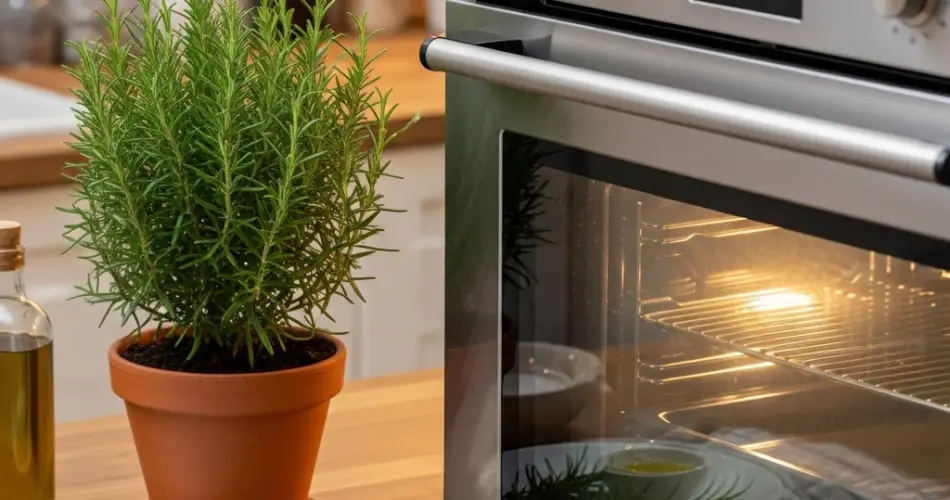
Few herbs capture the senses quite like rosemary. With its piney fragrance, evergreen leaves, and bold flavor, it’s both a culinary staple and a decorative houseplant. For home cooks, growing rosemary indoors near the oven or sink means you’ll always have this aromatic herb within easy reach, ready to transform ordinary meals into something special. Beyond its flavor, rosemary also brings a sense of freshness and charm to any kitchen space.
Why Rosemary Belongs in the Kitchen
Rosemary has been prized for centuries not only as a seasoning but also for its symbolic associations with memory, protection, and vitality. Today, it continues to hold a special place in both cooking and home design. Placing rosemary in the kitchen combines practicality with beauty:
-
Convenience: No more last-minute runs to the grocery store for a sprig or two.
-
Freshness: A living plant offers flavors far superior to dried herbs.
-
Ambiance: Its fragrance adds a natural, uplifting atmosphere to the room.
-
Decor: With upright stems and needle-like leaves, rosemary looks elegant in pots near the stove or sink.
For small kitchens, rosemary is a smart choice because it thrives in containers and doesn’t need large outdoor space to flourish.
Choosing the Right Spot
Rosemary needs light, warmth, and proper airflow to stay healthy. Positioning it by a sunny kitchen window is ideal, especially one facing south or west. Placing it near the oven or sink can be both decorative and convenient, but a few guidelines are helpful:
-
By the oven: Keep the plant close enough for easy snipping, but not directly in the path of hot air or heat blasts. Extreme, dry heat can stress the plant.
-
By the sink: This spot is usually cooler and often gets more humidity, which rosemary appreciates. Just ensure it still receives enough light.
If your kitchen doesn’t get enough natural sunlight, you can use a grow light to supplement, ensuring your rosemary receives at least six to eight hours of light daily.
Containers and Soil
The container you choose is crucial for rosemary’s success indoors. Pick a pot with good drainage holes, as rosemary is highly sensitive to waterlogged roots. Terracotta or clay pots are excellent because they allow moisture to evaporate, preventing soggy soil.
When it comes to soil, rosemary prefers a light, well-draining mix. A blend formulated for Mediterranean herbs or a standard potting soil mixed with sand or perlite works perfectly. The soil should stay slightly dry rather than consistently moist, reflecting the plant’s natural environment.
Watering and Feeding
Rosemary’s biggest enemy indoors is overwatering. Water the plant only when the top inch of soil feels dry, then allow excess water to drain completely. Leaving the pot sitting in water is a recipe for root rot, so always empty saucers after watering.
Humidity can also be a factor in dry indoor kitchens, especially in winter. Light misting of the leaves or placing a small tray of water nearby can help.
For feeding, rosemary is not a heavy feeder but benefits from occasional fertilizing during its active growing season. Use a balanced liquid fertilizer once a month in spring and summer to support healthy, fragrant growth.
Pruning and Harvesting
Regular pruning keeps rosemary compact, bushy, and full of flavor. Snip off a few sprigs as needed for cooking, cutting just above a pair of leaves to encourage branching. Avoid trimming more than one-third of the plant at a time to prevent stress.
Pruned stems can be used fresh, dried, or frozen. Fresh sprigs bring a vibrant, piney taste to recipes, while dried rosemary offers a longer-lasting pantry staple. Hanging trimmed stems upside down in a cool, dark place allows them to dry naturally, preserving their essential oils.
Culinary and Household Uses
The versatility of rosemary makes it a true kitchen treasure. Common uses include:
-
Seasoning meats: Perfect with chicken, lamb, and beef roasts.
-
Flavoring vegetables: Toss with potatoes, carrots, or squash before roasting.
-
Infusing oils and vinegars: Fresh sprigs create aromatic bases for cooking.
-
Baking breads: Rosemary focaccia or herbed rolls are classics.
-
Herbal teas: A soothing infusion that supports relaxation and digestion.
Beyond the kitchen, rosemary can also be used in homemade cleaners or sachets, adding a refreshing scent around the home.
A Plant of Beauty and Utility
Growing rosemary near the oven or sink blends function and design. It’s a plant that doesn’t just look good—it works hard for you every day, providing culinary inspiration, fresh air, and a welcoming fragrance. Its resilience makes it perfect for busy kitchens, and with a little attention, rosemary will thrive year-round indoors.
Final Thoughts
Fragrant rosemary belongs at the heart of your kitchen. Whether sitting proudly near your oven for quick snips while cooking or by your sink where its greenery brightens the space, this herb is more than just a plant—it’s a partner in your daily meals. Easy to grow, care for, and use, rosemary proves that some of the best culinary secrets are grown just a few steps away.


