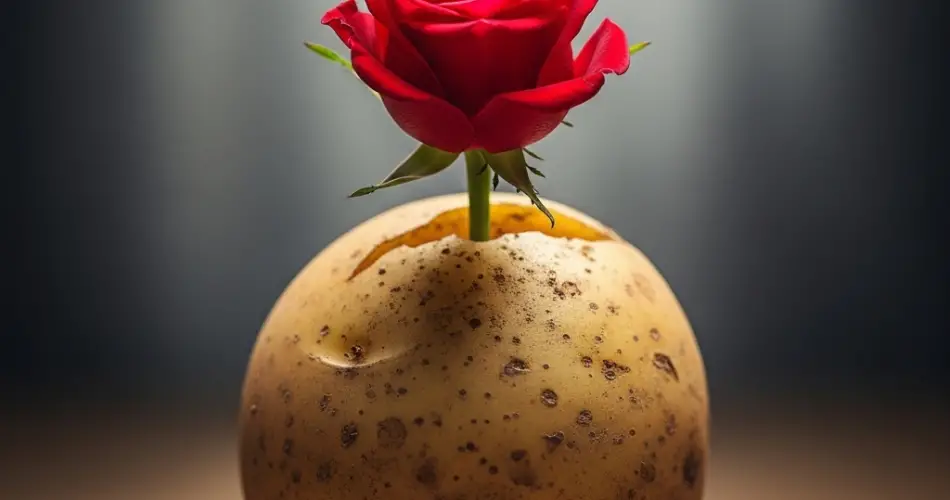
Roses are among the most cherished garden flowers, admired for their elegance, fragrance, and vibrant colors. While many gardeners turn to rooting hormone powder to propagate cut roses, there’s a simpler, natural, and surprisingly effective method: using a potato.
That’s right—many home gardeners have found success rooting rose cuttings in potatoes. This method may seem unusual at first, but potatoes provide the perfect moist environment that encourages root development. Plus, it’s a cheap, chemical-free alternative to commercial rooting products.
In this article, you’ll learn how to propagate a cut rose using a potato, why this technique works, and tips for getting the best results.
Why Use a Potato to Root a Rose Cutting?
Potatoes offer several natural benefits when used as a rooting medium:
-
Moisture retention: The flesh of a potato stays moist, creating a stable environment for a cutting to root.
-
Nutrient boost: Potatoes contain natural sugars and nutrients that can nourish the developing cutting.
-
Stability: A potato helps anchor the rose cutting in place, minimizing movement and stress.
Although not guaranteed to work 100% of the time, this method is simple, fun to try, and can yield successful results, especially with fresh, healthy cuttings.
Materials You’ll Need
To try this technique at home, you’ll need:
-
1 healthy rose stem (recently cut)
-
1 medium to large potato
-
Sharp pruning shears or a knife
-
Screwdriver or skewer
-
A pot with soil or space in your garden
-
A glass jar, plastic bottle, or clear cover (for humidity)
Step-by-Step Instructions
1. Choose and Prepare the Rose Cutting
Select a fresh, healthy rose stem, preferably one that has recently bloomed. The cutting should be about 6 to 8 inches (15 to 20 cm) long, with at least three leaf nodes (the bumps where leaves grow).
-
Remove the flower head (if present).
-
Strip off the lower leaves, keeping only the top two or three.
-
Make a diagonal cut at the base of the stem, just below a node.
-
Optional: Make a small vertical slit in the base to stimulate rooting.
2. Prepare the Potato
Choose a firm, untreated potato. Avoid sprouting or soft potatoes. Using a screwdriver, skewer, or knife, create a hole in the center that’s slightly narrower than the rose stem. The cutting should fit snugly to ensure contact without wobbling.
Push the rose cutting about 2 inches (5 cm) into the potato.
3. Plant the Potato
In a large pot or directly in the garden, dig a hole deep enough to bury the potato completely. Place the potato (with the rose cutting inserted) into the hole and cover it with soil. Leave just the top few inches of the rose cutting above the soil line.
Water thoroughly after planting.
Creating the Right Environment
Rose cuttings root best in warm, humid environments. To encourage success:
-
Cover the cutting: Place a glass jar, plastic bottle (with the bottom cut off), or plastic bag over the cutting to create a mini greenhouse effect. This traps humidity and keeps the environment stable.
-
Keep out of direct sunlight: Choose a spot with bright but indirect light to prevent the cutting from overheating.
-
Water regularly: Keep the soil moist but not soggy. Check every few days and mist if necessary.
How Long Does It Take to Root?
It can take 3 to 6 weeks for the rose cutting to develop roots. During this time, avoid disturbing the cutting. After about a month, gently tug on the stem. If you feel resistance, roots have likely formed.
Once roots are established, you can begin removing the humidity cover for a few hours each day to help the plant adjust. After a week, remove it entirely.
Transplanting and Caring for Your New Rose Plant
When the new rose plant shows signs of growth—such as new leaves or buds—you can transplant it to a larger pot or directly into the garden.
Tips for transplanting:
-
Choose a well-draining soil rich in organic matter.
-
Place in a sunny location with 6–8 hours of light daily.
-
Water deeply once or twice a week, depending on weather conditions.
-
Fertilize lightly with a balanced fertilizer every 4–6 weeks during the growing season.
Final Thoughts
Rooting roses using a potato is an excellent way to multiply your plants without chemical rooting hormones. While results may vary depending on the rose variety and environmental conditions, this method is simple, eco-friendly, and accessible to gardeners of all skill levels.
It’s also a fun gardening experiment that can yield a beautiful reward: a flourishing rose bush grown from a single cut stem and an ordinary potato. With care and patience, you can enjoy the satisfaction of growing your own roses—from scratch and with little more than kitchen leftovers and garden soil.
So next time you trim your rose bush, don’t throw those cuttings away—plant them in a potato and watch nature work its magic.


