
If your toilet bowl is plagued by stubborn stains, scale buildup, and unsightly marks that won’t go away no matter how much you scrub, you’re not alone. Hard water deposits and mineral buildup are common in most households, and over time they can make even a well-cleaned bathroom look dingy. But here’s something unexpected: you can restore your toilet’s shine using a simple pantry staple — flour.
Yes, the same flour you use for baking cakes and kneading dough can work miracles in your bathroom. It’s a low-cost, non-toxic, and environmentally friendly solution that can eliminate stains and calcium deposits effectively. Here’s how this unusual yet effective cleaning trick works and why you’ll want to try it yourself.
The Secret Cleaning Power of Flour
Flour might not be the first thing that comes to mind when you think of bathroom cleaning products, but this kitchen essential has hidden powers. It works as a natural absorbent and gentle abrasive, helping to lift grime and residue without scratching delicate ceramic surfaces.
When combined with citric acid, a natural compound derived from citrus fruits, the result is a potent cleaning mixture that dissolves mineral deposits and brightens surfaces. Together, these two ingredients can deep-clean your toilet bowl and leave it looking spotless and new.
Unlike harsh chemical cleaners, this combination is safe for both your plumbing and the environment. It contains no chlorine or corrosive acids, which makes it gentle on the ceramic glaze of your toilet and safe for regular use.
What You’ll Need
This natural cleaning recipe requires just a few simple ingredients, most of which you probably already have at home:
-
150 grams of citric acid
-
Flour (as needed)
-
1 liter of water
That’s all! No need for expensive cleaning agents, bleach, or heavy-duty descalers. Citric acid is easy to find at supermarkets or eco-cleaning stores and is widely used for removing limescale, cleaning coffee makers, and polishing ceramics.
How to Prepare and Use the Mixture
Once you’ve gathered your ingredients, the preparation process is quick and simple.
-
Dissolve the citric acid in one liter of water. Stir until it’s completely dissolved.
-
Pour the mixture into a spray bottle for easy application.
-
Flush the toilet to wet the inside walls of the bowl. This helps the flour stick better.
-
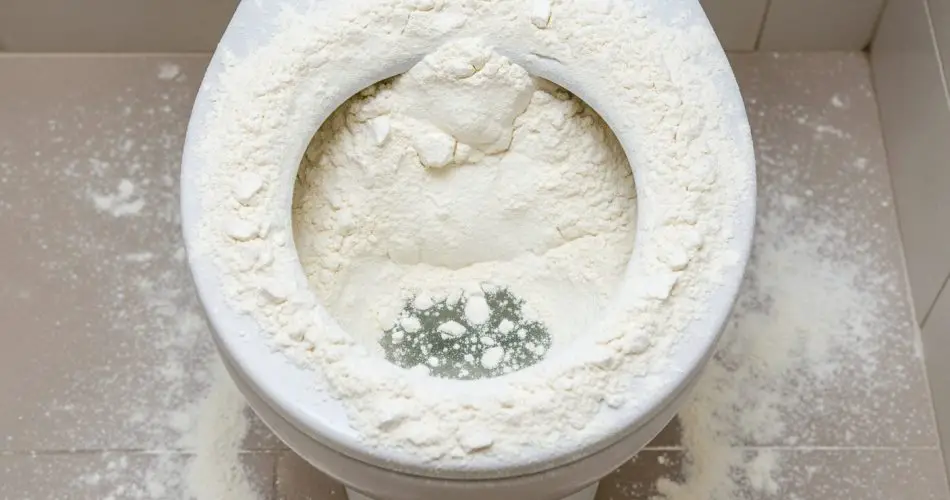
Sprinkle flour generously inside the toilet, making sure it adheres to the damp surface.
-
Spray the citric acid solution all over the flour, coating it evenly.
-
Let it sit overnight. The mixture needs time to work, breaking down deposits and loosening grime.
-
The next morning, scrub the inside of the bowl with a toilet brush.
-
Flush again — and admire the sparkling, white finish.
You’ll notice that even the most stubborn stains and hard water rings come off with minimal effort. The citric acid dissolves mineral buildup, while the flour helps bind the solution to the surface for longer contact, enhancing its effectiveness.
Why This Works So Well
The chemistry behind this method is simple but effective. Citric acid reacts with calcium carbonate — the main component of limescale — and dissolves it naturally. The flour’s sticky texture helps the acid cling to vertical surfaces, giving it more time to break down deposits.
In essence, the flour acts as a carrier and thickener, keeping the cleaning solution in place rather than dripping away like a liquid cleaner would. This means the active ingredients stay in contact with stains longer, providing a deeper clean.
The result? A toilet that looks as though it’s been professionally descaled — without using toxic chemicals or spending money on expensive products.
Other Household Uses for Flour
Once you see how well flour works in your toilet, you might be tempted to use it elsewhere — and you should! Flour is a versatile household helper that can enhance your cleaning routine in several ways.
1. Removing grease stains from stainless steel
Flour can absorb oil and grime effectively. If your kitchen sink or stove is covered in greasy residue, sprinkle some flour over the surface, let it sit for a few minutes, and then wipe it off with a soft cloth. For extra shine, apply a bit of vinegar to your sponge before wiping — it cuts through remaining grease and leaves stainless steel gleaming.
2. Polishing dull metal surfaces
Mix flour with a bit of water to form a paste. Apply this paste to tarnished metal objects — such as pots, pans, or brass fixtures — and rub gently. Rinse thoroughly with water and dry with a soft cloth. You’ll be surprised at how much brighter and cleaner the metal looks afterward.
3. Absorbing oil spills
If oil or cooking grease spills onto your countertop or floor, sprinkle flour directly on top. It will absorb the liquid quickly, making cleanup much easier and preventing stains from setting in.
Eco-Friendly Cleaning at Its Best
Switching to natural cleaning methods like this one isn’t just good for your wallet — it’s good for the planet, too. Many commercial toilet cleaners contain hydrochloric acid, ammonia, or bleach, which can corrode plumbing fixtures and release harmful fumes. By contrast, flour and citric acid are completely biodegradable and safe for septic systems.
This makes the flour-based toilet cleaner an ideal solution for anyone who wants to maintain a spotless bathroom without harming the environment or exposing themselves to harsh chemicals.
Final Thoughts
Who would have thought that flour — a simple kitchen staple — could make your toilet sparkle like new? When paired with citric acid, it becomes a powerful cleaning ally that removes scale, stains, and bacteria naturally.
This easy, affordable method not only restores your toilet’s shine but also reduces your dependence on commercial cleaners. Once you try it, you’ll likely add it to your list of go-to cleaning hacks for good.
Next time you notice limescale or stains in your toilet, skip the chemical cleaners and head straight to your pantry. The humble bag of flour might just be the secret to the cleanest bathroom you’ve ever had.