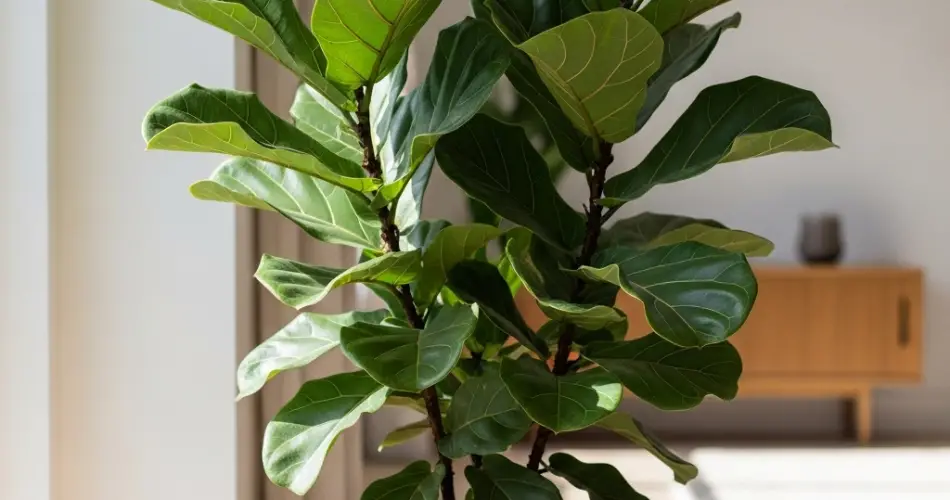
The fiddle leaf fig (Ficus lyrata) has earned its spot as a favorite in indoor plant collections for its dramatic, violin-shaped leaves and striking vertical growth. But despite its popularity, many plant owners struggle to keep it healthy—often due to issues related to pot size and soil. Both are critical factors in ensuring steady growth and preventing root problems.
If your fiddle leaf fig is showing signs of distress such as yellowing leaves, stunted growth, or dropping foliage, a reevaluation of its pot and soil conditions might be in order. This guide will walk you through choosing the right pot size, selecting the best soil mix, and maintaining an ideal growing environment.
Why Pot Size Matters for Fiddle Leaf Figs
Fiddle leaf figs are fast-growing under the right conditions, and their roots need room to expand. However, putting the plant in a pot that’s too large can lead to problems just as easily as a pot that’s too small.
Too Small: When roots become pot-bound, growth slows down or stops completely. You might notice roots poking through the drainage holes or spiraling around the bottom of the pot. This crowding can also make it difficult for water and nutrients to reach all parts of the plant.
Too Large: A pot that’s too big holds excessive soil, which stays moist for too long. Since fiddle leaf figs dislike soggy roots, this increases the risk of root rot.
Ideal Pot Size Guidelines
As a general rule, choose a pot that is 2–4 inches larger in diameter than the current root ball of your plant. For example:
-
A small fiddle leaf fig in a 6-inch nursery pot can be moved to an 8–10-inch pot.
-
A mature fig in a 12-inch container may need to graduate to a 14–16-inch pot.
Always make sure the new pot has drainage holes. This is non-negotiable, as trapped water will harm the roots.
When to Repot
You should consider repotting your fiddle leaf fig every 1–2 years, ideally in spring or early summer when the plant is actively growing. Signs that it’s time to repot include:
-
Roots growing out of the drainage holes
-
Water running straight through the pot without soaking in
-
Slowed or stunted growth
-
The plant toppling over due to poor root support
Choosing the Right Pot Material
Both form and function matter when selecting a pot. Terracotta pots are breathable and help wick away moisture—great for fiddle leaf figs that dislike overly wet soil. Plastic pots retain moisture longer, so they require more careful watering. Decorative planters without drainage holes should only be used as outer covers (“cachepots”), with the actual plant housed in a smaller, drainable pot inside.
The Best Soil for Fiddle Leaf Figs
Soil structure is crucial for proper drainage, aeration, and nutrient absorption. A dense, moisture-retentive soil may lead to root suffocation and disease, while soil that drains too quickly may leave the plant undernourished.
Ideal Soil Composition:
-
Light and airy to allow oxygen flow
-
Well-draining, yet moisture-retentive enough to hydrate roots
-
Nutrient-rich, but not overly heavy or clay-like
Recommended Mix:
-
2 parts high-quality potting mix
-
1 part perlite or pumice for aeration
-
1 part pine bark or coconut coir for moisture balance
You can also purchase commercial blends labeled for “indoor trees” or “fiddle leaf figs,” but make sure they don’t contain excessive peat, which can retain too much moisture over time.
Maintaining Healthy Soil
Even in the right pot with perfect soil, regular maintenance helps keep your fiddle leaf fig thriving.
-
Check Drainage Regularly: Water should exit quickly after watering. If it pools or drains slowly, the soil may be compacted.
-
Top Dress: If repotting isn’t necessary but the soil surface looks depleted, top-dress with fresh potting mix.
-
Avoid Overwatering: Always check if the top 2–3 inches of soil are dry before watering. Stick your finger in or use a moisture meter.
-
Fertilize Properly: During the growing season (spring and summer), feed your fiddle leaf fig once a month with a balanced liquid fertilizer. In fall and winter, reduce or stop feeding as growth slows down.
Final Thoughts
A healthy fiddle leaf fig starts with proper pot sizing and a supportive soil environment. Avoiding root stress and ensuring good drainage gives your plant the foundation it needs to grow tall, strong, and lush. With the right container and soil mix, you’ll see vibrant new leaves and steady upward growth in your indoor fig.
Whether you’re nurturing a small starter plant or managing a towering green centerpiece, these fundamental tips will help you maintain a fiddle leaf fig that’s not only surviving but thriving indoors.


