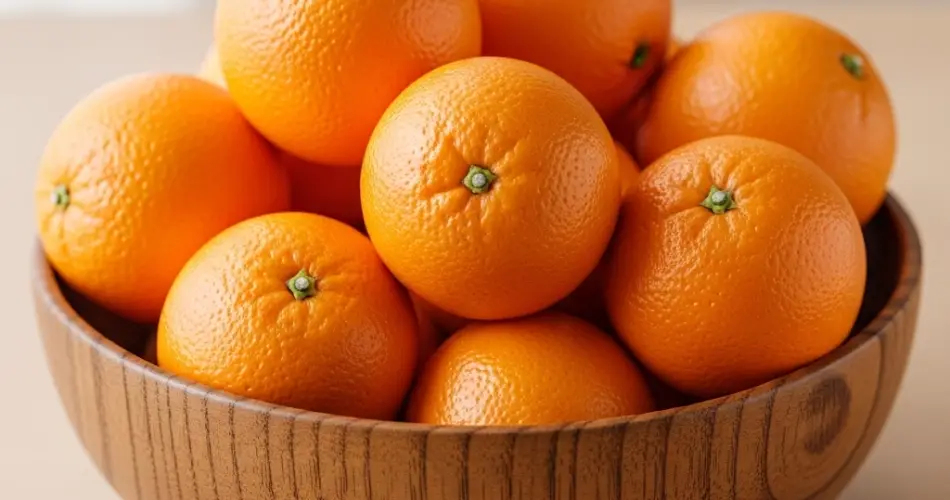
There’s nothing quite like the taste of a perfectly ripened, sweet orange picked from your own tree. While variety and climate play roles in fruit flavor, how and when you fertilize your orange tree can significantly impact sweetness. Organic and natural fertilization methods not only support better fruit but also enhance the health of your soil and plant over time.
Here’s a practical guide to help you sweeten your oranges naturally using smart fertilizer choices and timing techniques.
Understanding What Makes Oranges Sweet
Orange sweetness is mainly influenced by the balance between sugars and acids in the fruit. This balance is affected by:
-
Sunlight exposure
-
Soil health and moisture levels
-
Proper nutrient availability
-
Timing of fertilization
A well-fed tree produces more sugars, while poor nutrition can lead to sour, underdeveloped fruit. Fertilization plays a critical role in delivering the right nutrients at the right time.
Key Nutrients That Influence Sweetness
Several essential nutrients help promote sweeter fruit:
-
Potassium (K): Boosts sugar accumulation in fruit and improves overall flavor.
-
Phosphorus (P): Supports strong root development and energy transfer for fruit production.
-
Calcium (Ca): Strengthens cell walls, which helps fruits ripen properly.
-
Magnesium (Mg): Essential for chlorophyll and sugar synthesis.
-
Micronutrients: Boron, manganese, and zinc all contribute to healthy fruit set and flavor.
While nitrogen is important for leaf growth, too much can reduce sweetness by promoting vegetative growth over fruit development.
Organic Fertilizers That Sweeten Oranges Naturally
The following organic fertilizers provide the nutrients your orange tree needs without harsh chemicals or artificial additives:
1. Compost
Well-aged compost enriches the soil and provides a steady supply of nutrients, including trace elements. Apply 2–3 inches around the base of the tree in early spring and late summer. Avoid letting it touch the trunk.
2. Banana Peels
Rich in potassium and phosphorus, banana peels naturally boost fruit sweetness. Bury chopped peels near the tree’s drip line or blend them into compost tea for a liquid fertilizer.
3. Wood Ash (in moderation)
Wood ash contains potassium and calcium. Use it sparingly, especially if your soil is already alkaline. Mix a handful into the topsoil once or twice a year.
4. Epsom Salt
Magnesium sulfate (Epsom salt) helps increase sugar production. Dissolve 1 tablespoon in a gallon of water and apply monthly during the growing season.
5. Fish Emulsion
High in nitrogen, fish emulsion is best applied early in the growing season to support leafy growth. Stop using it once the tree begins flowering to avoid excessive leaf production at the expense of sweet fruit.
6. Seaweed or Kelp Extract
Seaweed fertilizers are rich in potassium, magnesium, and natural growth hormones that enhance fruit sweetness and size. Apply monthly as a soil drench or foliar spray.
7. Molasses
Unsulfured blackstrap molasses is a natural sugar source that feeds beneficial soil microbes. Mix 1–2 tablespoons into a gallon of water and apply around the root zone during fruit development.
Fertilizing Schedule for Maximum Sweetness
Timing matters when it comes to fertilization. Here’s a simple seasonal guide:
-
Early Spring: Apply compost and a nitrogen-rich fertilizer like fish emulsion to support new leaf growth.
-
Late Spring (pre-flowering): Transition to balanced or low-nitrogen fertilizers. Use banana peels, seaweed, or Epsom salt.
-
Summer (fruit formation): Focus on potassium-rich feeds like kelp extract and molasses. Avoid high-nitrogen fertilizers.
-
Late Summer/Early Fall: Apply a final dose of compost or wood ash to boost potassium and prepare the tree for the next season.
Avoid fertilizing during dormancy (late fall and winter), as the tree is not actively growing and can’t absorb nutrients efficiently.
Additional Tips for Sweeter Oranges
1. Ensure Full Sun Exposure
Sweet oranges need at least 6–8 hours of direct sunlight daily. Position your tree in the sunniest spot available to help fruit develop maximum sugars.
2. Regulate Watering
Overwatering can dilute fruit flavor. Water deeply but allow the topsoil to dry out slightly between waterings, especially during fruit maturation.
3. Mulch Wisely
Use organic mulch like straw, compost, or shredded bark to retain moisture, suppress weeds, and slowly improve soil structure. Keep mulch a few inches away from the trunk.
4. Thin Excess Fruit
Too many fruits on one branch can reduce the sugar content per orange. Thin the fruit in early summer to improve overall size and sweetness.
5. Maintain Healthy Soil pH
Oranges prefer slightly acidic soil (pH 6.0–6.5). Test your soil annually and adjust if needed with sulfur (to lower pH) or lime (to raise pH).
Final Thoughts
Feeding your orange tree with the right natural fertilizers at the right time can significantly enhance fruit quality and sweetness. By focusing on organic materials rich in potassium, magnesium, and micronutrients, you can improve not just the taste of your oranges, but the health of your tree and soil ecosystem.
With a balanced fertilizing plan, adequate sunlight, and thoughtful watering, your tree will reward you with delicious, naturally sweet oranges that are far superior to anything from the store.


