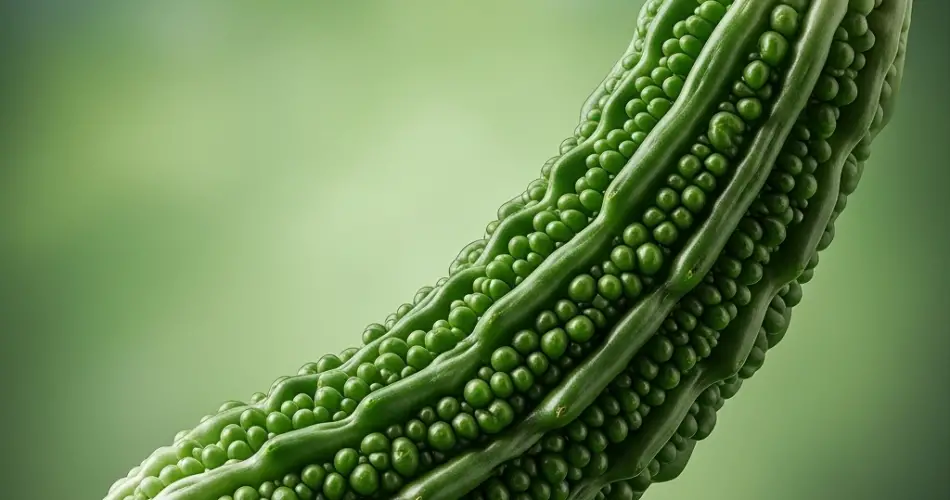
Bitter melon, also known as bitter gourd or Momordica charantia, is a tropical vine prized for its unique flavor and numerous health benefits. Like most fruiting vegetables, bitter melon requires fertile, well-drained soil and consistent nutrition to grow vigorously and produce an abundant harvest. If you want to maximize growth and fruit production, understanding how and when to fertilize is essential. Here’s a detailed guide to using fertilizers to boost bitter melon growth in your home garden.
Understanding Bitter Melon’s Nutritional Needs
Bitter melon is a heavy feeder. It thrives when supplied with a balanced combination of macronutrients—nitrogen (N), phosphorus (P), and potassium (K)—along with important micronutrients like magnesium, calcium, and trace minerals. Each stage of growth benefits from a slightly different nutrient focus:
Preparing the Soil Before Planting
Start by enriching your soil a few weeks before planting. Bitter melon prefers loose, well-drained soil with a pH between 6.0 and 6.7. Good soil preparation lays the foundation for healthy root development and nutrient absorption.
Incorporate the following organic amendments before planting:
-
Compost or well-rotted manure – Improves soil structure and supplies a broad range of nutrients.
-
Bone meal – High in phosphorus, it supports early root growth.
-
Wood ash or kelp meal – Provides potassium and trace minerals.
Mix these materials into the top 6–8 inches of soil to ensure they are accessible to developing roots.
Fertilizer Schedule for Bitter Melon
To keep bitter melon growing strong throughout the season, apply fertilizers in stages.
1. At Planting Time
Use a balanced organic fertilizer such as 5-5-5 or 10-10-10, applying according to the package instructions. This supports early establishment and encourages lush vine growth.
Alternatively, prepare a homemade mix of:
Place a small handful of this mixture into each planting hole and mix it lightly with the soil.
2. Early Growth Stage (2–3 weeks after transplanting)
Once plants are established and new growth appears, apply a nitrogen-rich fertilizer to stimulate foliage and vine expansion. Options include:
-
Fish emulsion – Dilute and water at the base every two weeks.
-
Blood meal – Side-dress with a tablespoon per plant.
-
Worm castings – Mix into the soil around the base of each plant.
Too much nitrogen at this stage can lead to excessive leaves with fewer flowers, so apply with care.
3. Flowering and Fruiting Stage
As soon as the plant begins to form flowers, shift the nutrient focus to phosphorus and potassium. These nutrients support flowering, fruit development, and resistance to stress.
Use one of the following:
-
Banana peel compost – Rich in potassium and easy to make at home.
-
Wood ash – Sprinkle lightly around the plant every 2–3 weeks.
-
Composted chicken manure – Offers a balanced nutrient profile suitable for fruiting.
-
Liquid seaweed or kelp extract – Apply as a foliar spray every 10–14 days.
Avoid applying high-nitrogen fertilizers at this stage, as they can cause poor fruit set or small, misshapen fruit.
Additional Fertilizer Tips
-
Watering: Always water the plants after applying fertilizers to help nutrients absorb into the soil and prevent root burn.
-
Mulching: Apply mulch around the base of the plant to retain moisture, regulate soil temperature, and gradually release nutrients as it decomposes.
-
Side-dressing: Throughout the growing season, side-dress with compost or a balanced organic fertilizer every 3–4 weeks for consistent feeding.
-
Trellising: While not a fertilizer tip per se, supporting bitter melon vines on a trellis reduces plant stress, improves air circulation, and enhances nutrient uptake.
Common Fertilizing Mistakes to Avoid
-
Over-fertilizing with nitrogen: This leads to excessive vine growth and fewer fruits.
-
Applying fresh manure: Always use composted manure to prevent root burn and potential contamination.
-
Fertilizing dry soil: Always moisten the soil before applying any fertilizer to protect roots from damage.
-
Ignoring micronutrients: Nutrients like magnesium, calcium, and zinc play important roles in plant health. Supplement with natural sources like Epsom salt (magnesium sulfate) or crushed eggshells (calcium) when needed.
Final Thoughts
Bitter melon is a robust and productive plant when given the right growing conditions and proper nutrition. By applying organic or balanced fertilizers at the appropriate stages, you can ensure healthy vines, prolific flowering, and excellent fruit yield. With consistent care and timely feeding, your bitter melon plants will reward you with an abundant harvest full of flavor and nutritional value