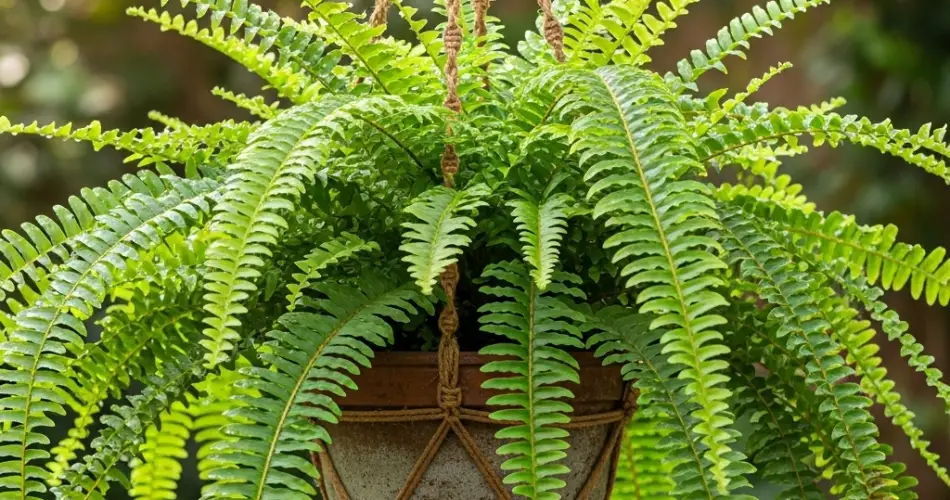
Ferns are timeless indoor plants celebrated for their lush, feathery foliage and ability to bring a touch of natural beauty to any home. However, these delicate plants can sometimes show signs of stress, resulting in drooping fronds, brown tips, or overall wilting. While a wilting fern can seem beyond recovery, most cases are reversible with attentive care. Understanding the common causes of stress and implementing proper revival techniques can bring your fern back to life and restore its vibrant greenery.
Understanding Why Ferns Wilt
Ferns are native to humid, shaded forest environments. Indoors, they often face conditions that differ significantly from their natural habitats, leading to stress:
-
Water stress: Both overwatering and underwatering can cause drooping fronds. Ferns require consistently moist soil, but soggy conditions can lead to root rot.
-
Light levels: Ferns thrive in bright, indirect light. Too much direct sunlight can scorch leaves, while insufficient light slows growth and causes drooping.
-
Humidity: Dry indoor air can lead to brown tips and curling fronds. Ferns need a humid environment to maintain healthy foliage.
-
Temperature fluctuations: Sudden drafts or exposure to heating or cooling vents can stress the plant, causing fronds to wilt.
Recognizing these stress factors is the first step in reviving a struggling fern.
Step 1: Assess the Soil and Roots
Healthy roots are the foundation for recovery:
-
Check soil moisture: Stick your finger about an inch into the soil. If it’s bone dry, the plant needs water. If it’s soggy or foul-smelling, the roots may be waterlogged.
-
Inspect the roots: Carefully remove the fern from its pot and examine the roots. Healthy roots are firm and white or light tan. Brown, mushy roots indicate rot and must be trimmed with sterilized scissors.
-
Repot if necessary: Use fresh, well-draining potting soil suitable for ferns. A pot with drainage holes prevents water accumulation, which is critical for recovery.
Reviving the root system is crucial for the fern to absorb water and nutrients efficiently.
Step 2: Correct Watering Practices
Watering is often the key factor in fern revival:
-
Consistent moisture: Keep the soil evenly moist but not waterlogged. Water when the top inch of soil feels slightly dry.
-
Proper technique: Water at the base of the plant to ensure deep soil penetration. Avoid wetting fronds excessively, which can encourage fungal growth.
-
Humidity support: Use a humidity tray, mist fronds lightly, or group ferns together to maintain adequate moisture in the air.
Proper watering stabilizes the plant and encourages new, healthy frond growth.
Step 3: Optimize Light and Temperature
Providing the right environment accelerates recovery:
-
Indirect light: Place the fern near a north- or east-facing window, or provide filtered light using sheer curtains. Avoid direct sunlight, which can scorch fronds.
-
Stable temperature: Keep the plant in a room between 60–75°F (15–24°C), away from drafts or heating vents. Consistent temperature helps the fern conserve energy while recovering.
A stable environment reduces stress and allows the fern to focus on regrowth.
Step 4: Prune and Remove Damaged Fronds
Removing damaged foliage encourages new growth:
-
Trim brown or wilted fronds: Use clean, sharp scissors to cut away dead or yellowing fronds at the base.
-
Leave healthy growth: Preserve healthy fronds to continue photosynthesis, which fuels recovery.
Pruning eliminates stress and directs the plant’s energy toward producing fresh, vibrant foliage.
Step 5: Support with Fertilization
Once your fern shows signs of recovery, gentle fertilization can help:
-
Diluted fertilizer: Apply a balanced, water-soluble fertilizer at half the recommended strength every 4–6 weeks during the growing season.
-
Avoid over-fertilization: Excess nutrients can harm stressed roots, so start conservatively and adjust as the plant recovers.
Nutrients support regrowth and help restore full, lush fronds.
Step 6: Monitor Progress
Recovery takes time, and consistent care is essential:
-
Observe new fronds: Look for bright green, firm new fronds as a sign of improvement.
-
Adjust care as needed: Modify watering, humidity, or light if the fern shows signs of continued stress.
-
Patience: Full recovery can take several weeks, depending on the severity of wilting.
Regular monitoring ensures the fern’s environment supports its return to health.
Final Thoughts
Wilting ferns are rarely beyond saving. By assessing soil and roots, correcting watering routines, providing ideal light and humidity, pruning damaged fronds, and offering gentle fertilization, you can restore your fern’s vitality. With patience and consistent care, your fern will regain its lush, feathery foliage, bringing renewed life and beauty to your indoor garden.


