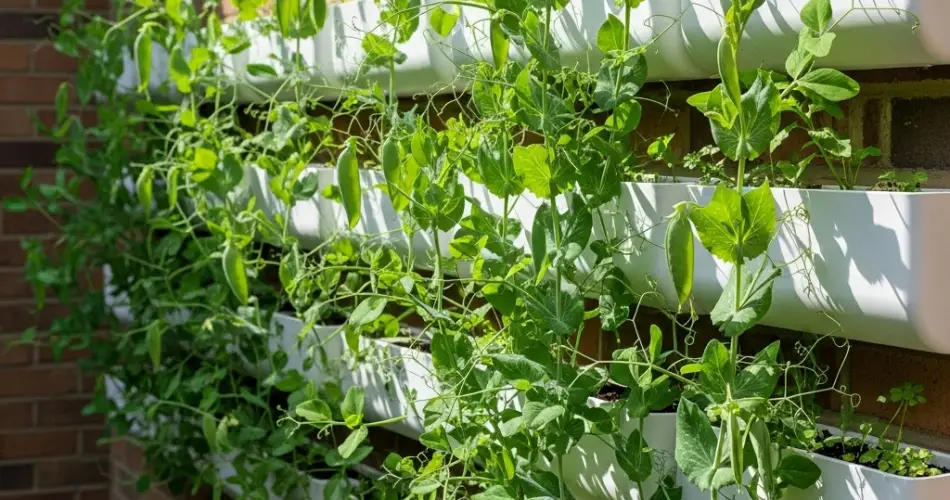
Peas are among the easiest vegetables to grow at home, and with a little creativity, they can thrive even in small or unconventional spaces. One innovative method that maximizes vertical space is fence gardening using recycled plastic bottles. This low-cost, space-saving approach is ideal for urban dwellers and anyone interested in sustainable, container-based gardening. It also keeps your peas within reach, well-ventilated, and easy to harvest.
Why Choose Fence Gardening for Peas?
Peas are climbing plants that naturally prefer support structures. They produce delicate tendrils that cling to trellises, wires, or any vertical support they can find. A fence provides an ideal vertical surface to support their upward growth. When paired with plastic bottles as containers, this method becomes not only efficient but also environmentally friendly by repurposing materials that would otherwise go to waste.
Materials You’ll Need
To start your fence garden for peas, you only need a few basic items:
-
Empty plastic bottles (1.5 to 2-liter sizes work best)
-
A utility knife or scissors
-
Strong wire or zip ties
-
Potting soil
-
Pea seeds (any variety)
-
Organic compost or slow-release fertilizer
-
A sunny fence or wall that receives 4–6 hours of sunlight daily
Make sure the fence you choose is sturdy enough to support both the bottles and the growing vines.
How to Prepare the Bottles
-
Clean and Cut: Begin by cleaning each plastic bottle thoroughly. Remove labels and rinse out any residues. Using a utility knife or scissors, cut a rectangular window on one side of each bottle to create an opening for soil and planting.
-
Drainage Holes: Poke several small holes at the bottom of the bottle to allow excess water to drain out. This helps prevent root rot.
-
Mounting Holes: Create two holes on either side of the bottle near the top, so you can thread wire or zip ties through for mounting.
Setting Up the Fence Garden
-
Arrange the Bottles: Decide how you want to arrange the bottles along your fence. You can place them in a straight line, stagger them vertically, or create a pattern. Keep enough space between each bottle to ensure good air circulation.
-
Attach to the Fence: Use wire or zip ties to secure each bottle to the fence. Make sure they are tightly fastened and stable. The open window should face upward to hold soil and allow the plant to grow out of it.
-
Fill with Soil: Add a mix of potting soil and compost into each bottle. Leave about 2–3 cm of space at the top to prevent water from spilling over.
-
Plant the Seeds: Place 2–3 pea seeds in each bottle, about an inch deep. Water them gently but thoroughly.
Caring for Your Peas
Peas germinate quickly and don’t require much attention once they’ve started growing. Here are a few care tips to ensure a healthy harvest:
-
Watering: Keep the soil moist but not soggy. Water regularly, especially during dry spells. Because the containers are small, they may dry out faster than ground soil.
-
Sunlight: Ensure the plants receive adequate light. If your fence is in partial shade, choose pea varieties that are more tolerant of low light.
-
Fertilizing: A light feeding with compost tea or diluted liquid fertilizer every two weeks can help encourage lush growth and more pods.
-
Support Growth: As the vines grow, they’ll naturally start clinging to the fence. You can guide them gently or tie them loosely with garden twine if needed.
Benefits of This Method
-
Space-Saving: Vertical gardening maximizes limited space, making it ideal for balconies, narrow yards, or wall fences.
-
Recycled Materials: This method helps reduce plastic waste by turning old bottles into functional planters.
-
Ease of Harvest: Since the peas grow at eye level, harvesting is quick and doesn’t require bending or kneeling.
-
Pest Control: Elevating the plants can help reduce problems from ground-dwelling pests and minimize the risk of soil-borne diseases.
Harvest Time
Peas are typically ready to harvest 60–70 days after planting, depending on the variety. Harvest them when the pods are full but still tender. Regular harvesting encourages the plant to produce more pods. Don’t wait too long, as older pods can become tough and starchy.
Conclusion
Fence gardening with bottles offers a creative and eco-friendly solution for growing peas in small spaces. It transforms a plain wall or fence into a productive green space, requires minimal investment, and makes efficient use of vertical space. Whether you’re an experienced gardener or just starting out, this method is a fun and rewarding way to enjoy homegrown peas all season long.


