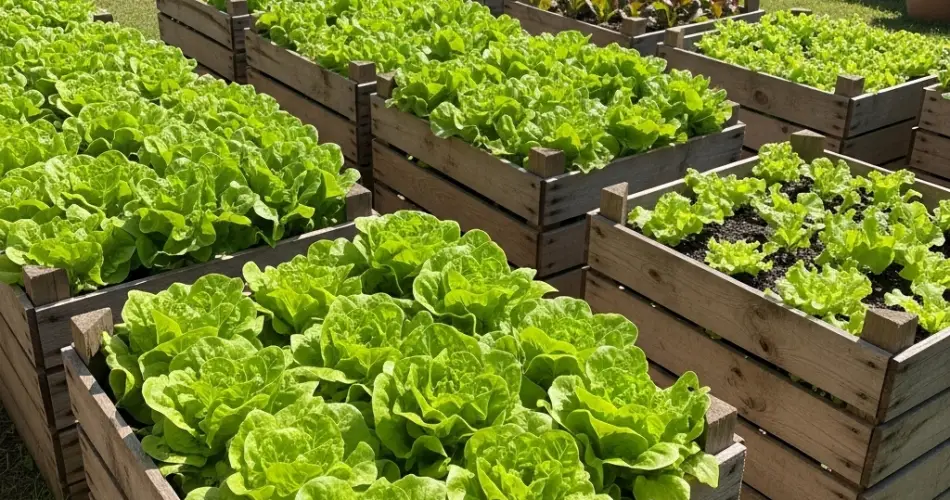
Growing lettuce at home has become increasingly popular, especially among urban dwellers who want to enjoy fresh, chemical-free greens. One of the easiest and most space-efficient ways to grow lettuce is by using wooden crates. These portable, reusable containers make it simple to start a small garden in your backyard, balcony, or patio.
Lettuce is one of the fastest and most rewarding crops for beginner gardeners. It matures quickly, thrives in cooler weather, and doesn’t require deep soil, making it ideal for shallow containers like crates. Here’s a complete guide to growing your own fresh lettuce from the comfort of home.
Why Choose Crate Gardening for Lettuce?
Wooden crates are great for small-space gardening. They’re lightweight, breathable, and provide good drainage. You can reuse old fruit or wine crates, or buy custom garden crates. Their structure allows for neat rows of leafy greens and can be moved easily to catch the best sunlight throughout the day.
With crate gardening, you don’t need a lot of land or heavy tools. Just a few supplies, some sunlight, and regular watering are all it takes to enjoy fresh salad greens straight from your backyard.
What You’ll Need
To begin, gather the following:
-
A wooden crate (at least 6 inches deep)
-
Landscape fabric or burlap (to line the crate)
-
High-quality potting mix enriched with compost
-
Lettuce seeds or seedlings
-
A small hand trowel
-
Watering can or hose with a gentle spray
-
A spot that gets 4–6 hours of sunlight daily
If your crate has wide gaps, line the inside with landscape fabric or breathable cloth to keep the soil from falling out while allowing drainage.
Choosing Lettuce Varieties
There are many types of lettuce to choose from, and most of them grow well in containers. Here are a few popular options:
-
Loose-leaf varieties (like Red Salad Bowl or Black Seeded Simpson): Fast-growing and ideal for cut-and-come-again harvesting.
-
Butterhead (like Bibb or Boston): Tender leaves and compact heads.
-
Romaine: Upright growth and crisp texture.
-
Mini cos or baby lettuces: Great for tight spaces and short growing periods.
Select varieties based on your taste preference and the available space in your crate.
How to Plant
-
Fill the Crate: Fill the crate with the potting mix, leaving about an inch of space from the top.
-
Sow Seeds or Transplant Seedlings:
-
If using seeds, sow them about ¼ inch deep. Space them 2–4 inches apart, depending on the variety.
-
If transplanting seedlings, dig small holes and space them out evenly.
-
-
Water Gently: Use a watering can with a fine spout to avoid washing away the seeds. Keep the soil consistently moist but not waterlogged.
-
Place in a Sunny Spot: Lettuce thrives in cool conditions with partial sun. In warmer climates, choose a location with morning sun and afternoon shade to prevent bolting.
Caring for Your Crate Lettuce
-
Watering: Lettuce has shallow roots and needs regular watering. Check the soil daily, especially in hot weather.
-
Feeding: Every couple of weeks, feed your lettuce with diluted organic liquid fertilizer or compost tea to promote lush growth.
-
Thinning: If the seedlings grow too close, thin them out to allow proper spacing. You can eat the thinnings as baby greens.
-
Pest Control: Watch for slugs, aphids, and caterpillars. Hand-pick pests or use organic pest control sprays if needed.
Harvesting Tips
One of the best things about lettuce is how quickly it grows. You can start harvesting leaf varieties in as little as 3–4 weeks after planting.
-
For loose-leaf types, snip the outer leaves with scissors when they reach 4–6 inches tall, leaving the inner leaves to continue growing.
-
For head-forming types, wait until the heads are firm and mature, then cut them at the base.
Harvest in the early morning for the crispest leaves.
Continuous Harvesting
To ensure a steady supply of lettuce, consider planting a few seeds every two weeks. This staggered planting schedule will give you new greens as older plants are harvested or begin to bolt.
In warm weather, choose heat-tolerant varieties and provide shade cloth if necessary. Lettuce can also be grown indoors in crates under grow lights during cooler months.
Final Thoughts
Crate gardening makes growing fresh lettuce at home accessible and manageable. With just a little space and a few simple materials, you can enjoy a farm-to-crate experience in your backyard or even on a balcony. This method is not only sustainable but also provides the satisfaction of eating what you’ve grown yourself.
Whether you’re adding lettuce to sandwiches, salads, or wraps, nothing beats the flavor and texture of just-picked greens. Give crate gardening a try, and bring the farm to your plate—no matter where you live.


