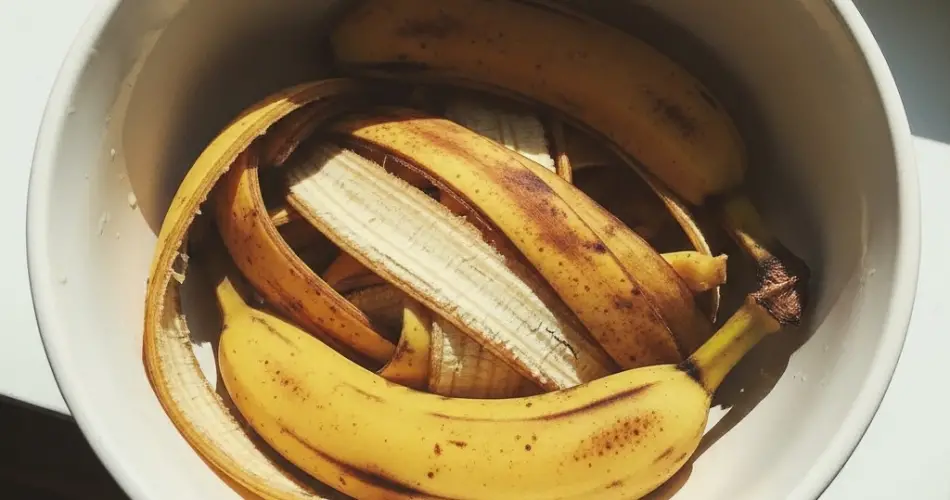
If you’re looking for more vibrant, abundant blooms in your garden or potted plants, there’s good news: you don’t need to rely on expensive store-bought fertilizers. There’s a simple, natural solution you can make at home using kitchen waste—one that stimulates massive flowering, boosts plant vitality, and costs absolutely nothing.
This homemade fertilizer is packed with nutrients, takes only minutes to prepare, and can be used on both flowering ornamentals and edible crops. In this article, you’ll learn how to make it, why it works, how to use it, and which plants benefit most.
Why Homemade Fertilizer Can Be Better Than Store-Bought
Most commercial fertilizers focus on supplying macronutrients—nitrogen (N), phosphorus (P), and potassium (K)—but they often lack the micronutrients and organic compounds that promote robust plant health, root growth, and especially flowering.
Homemade fertilizers, especially those made from organic matter, improve not only the nutrient content of the soil but also its structure and microbial life. This enhances nutrient uptake, strengthens plants, and results in more flowers and fruits.
The Secret Ingredient: Kitchen Waste That Feeds Flowers
The base of this free fertilizer is banana peels, known for being rich in:
-
Potassium (K): Crucial for flowering and fruiting
-
Phosphorus (P): Supports strong root systems and flower production
-
Calcium and magnesium: Aid overall plant health
-
Natural sugars: Feed beneficial soil microbes
When broken down properly, banana peels become a powerful flower-boosting tonic that also helps prevent deficiencies, especially in heavy-blooming plants like hibiscus, geraniums, petunias, roses, and even vegetables like tomatoes and peppers.
How to Make the Fertilizer (Two Methods)
Method 1: Banana Peel Tea
Ingredients:
-
2–3 banana peels
-
1 liter of water
Instructions:
-
Chop the banana peels into small pieces.
-
Place them in a container with the water.
-
Let the mixture soak for 24–48 hours, stirring occasionally.
-
After soaking, strain out the peels and use the liquid as a flower-promoting fertilizer.
Apply this banana tea directly to the soil around your plants once a week. The soaked peels can be composted or buried in the garden to continue enriching the soil.
Method 2: Banana Peel Ferment (Stronger, Longer-Lasting)
Ingredients:
-
3 banana peels
-
2 tablespoons brown sugar or molasses
-
1 liter of non-chlorinated water (rainwater or filtered is ideal)
Instructions:
-
Blend the peels with water and sugar/molasses.
-
Pour the mixture into a loosely covered jar or bottle (do not seal tightly).
-
Let it ferment for 5–7 days in a warm, shaded area.
-
Stir daily to release gas and promote even fermentation.
After 5–7 days, dilute the mixture (1 part fermented liquid to 3 parts water) and apply it to flowering plants every 7–10 days. This version delivers more concentrated nutrients and beneficial microbes.
How and When to Use It
Apply your homemade flower fertilizer:
-
Once a week during active blooming seasons (spring and summer)
-
Around the base of the plant, avoiding direct contact with stems
-
After watering to avoid root burn from concentrated nutrients
-
In the early morning or late afternoon to prevent evaporation and leaf burn
This fertilizer is particularly useful before or during the budding phase, when plants need extra phosphorus and potassium to support bloom formation.
Best Plants for This Fertilizer
This free banana-based fertilizer can be used on:
-
Flowering ornamentals: Hibiscus, roses, bougainvillea, marigolds, petunias, geraniums
-
Indoor flowering plants: Peace lilies, African violets, orchids
-
Vegetables and fruits: Tomatoes, peppers, strawberries, beans
-
Shrubs and small trees: Hydrangeas, citrus, figs
Avoid using it on succulents or cacti, which prefer lean, low-nutrient soil.
Additional Tips to Maximize Flowering
-
Deadhead spent flowers regularly to encourage new blooms.
-
Ensure plants receive adequate sunlight—at least 6 hours for most flowers.
-
Keep the soil evenly moist but not soggy to support healthy roots.
-
Mulch around plants to retain moisture and regulate temperature.
Pairing good care with this natural fertilizer can dramatically increase the number and size of blooms your plants produce.
Final Thoughts
You don’t need expensive products or complicated routines to enjoy thriving, flowering plants. With something as simple and free as banana peels and water, you can create a powerful, organic fertilizer that feeds your plants exactly what they need to bloom beautifully.
This fast, homemade method has proven effective for gardeners looking to promote flowering naturally—and it’s a perfect addition to any eco-conscious gardening routine.
Try it for a few weeks and watch your garden transform with healthier foliage, brighter blooms, and stronger plants—all without spending a dime.


