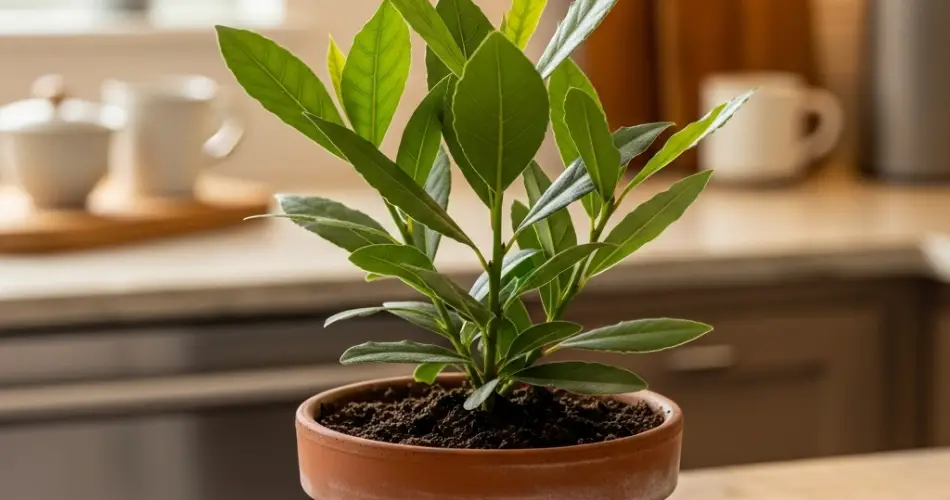
Bay laurel (Laurus nobilis) is a fragrant, evergreen herb prized in culinary traditions worldwide. Its glossy leaves add a distinctive flavor to soups, stews, sauces, and marinades, making it a kitchen essential. While bay laurel trees can grow quite large outdoors, they adapt well to indoor cultivation, making them perfect for countertop or windowsill gardening. Growing bay laurel indoors ensures a year-round supply of fresh leaves while adding greenery and elegance to your home.
Choosing the Right Bay Laurel Variety
For indoor gardening, it is best to choose a compact bay laurel variety or a young plant from a nursery. Standard bay trees can become large and woody over time, so a dwarf or container-friendly type is ideal for small spaces. When selecting a plant, look for healthy, vibrant green leaves and a sturdy stem, free from pests or disease.
Selecting Containers for Indoor Growth
A wide, deep container with proper drainage is crucial for bay laurel. The plant develops a strong root system that needs space to grow. Terracotta or ceramic pots are excellent choices because they allow airflow to the soil while helping regulate moisture. Ensure the pot has drainage holes at the bottom to prevent waterlogging, which can lead to root rot. Starting with a pot at least 12 inches in diameter and depth is a good foundation for a young plant.
Preparing Soil for Bay Laurel
Bay laurel thrives in well-draining soil. A mix of potting soil, compost, and perlite or sand provides the right balance of nutrients and aeration. Avoid heavy garden soil, which can retain excess moisture and restrict root development. A slightly acidic to neutral pH (around 6.0–7.0) is ideal. Adding slow-release fertilizer during planting supports early growth and strengthens the plant’s root system.
Placement and Light Requirements
Bay laurel prefers bright, indirect sunlight. Place your container in a sunny kitchen corner, near a south- or west-facing window. Indoor plants generally require at least 6 hours of light per day. If natural light is limited, supplement with a grow light to ensure healthy growth. Avoid areas with drafts, sudden temperature changes, or proximity to heating vents, as these can stress the plant.
Watering and Maintenance
Watering indoor bay laurel requires balance. The soil should be kept slightly moist but never soggy. Allow the top inch of soil to dry between waterings to prevent overwatering, which can cause root rot. During the winter months, reduce watering as the plant’s growth slows.
Regular pruning is essential for indoor bay laurel. Trim back new growth to maintain a compact, manageable shape and to encourage bushier foliage. Remove any yellow or damaged leaves promptly to keep the plant healthy. Pruning also improves airflow, reducing the risk of fungal problems.
Feeding and Fertilization
Feed bay laurel every 4–6 weeks with a balanced, water-soluble fertilizer during the growing season (spring and summer). Container-grown plants deplete nutrients faster than outdoor plants, so regular feeding supports continued growth and vibrant leaf production. Avoid over-fertilizing, as excessive nutrients can weaken stems and leaves.
Harvesting Bay Leaves
Leaves can be harvested once the plant is well-established. Pick individual leaves as needed, cutting close to the stem without stripping the plant completely. Regular harvesting encourages new growth, providing a continuous supply of fresh leaves for cooking. Bay leaves can also be dried for long-term storage, retaining their aroma and flavor for months.
Common Challenges
Indoor bay laurel is generally resilient, but common issues include overwatering, insufficient light, or pest infestations such as scale or spider mites. Address problems promptly with proper watering, improved light exposure, or organic treatments like neem oil. Maintaining consistent care ensures a healthy, aromatic plant.
Benefits of Growing Bay Laurel Indoors
Growing bay laurel indoors offers convenience and aesthetics. Fresh leaves are always within reach for cooking, reducing trips to the store. The plant’s glossy foliage adds visual appeal to the kitchen, while its fragrance enhances the indoor environment. Additionally, indoor cultivation allows for control over soil quality and watering, ensuring organic, pesticide-free leaves.
Conclusion
Evergreen bay laurel is an ideal herb for indoor kitchen gardening. By selecting the right variety, providing well-draining soil, maintaining balanced watering, and ensuring adequate light, gardeners can enjoy a thriving bay laurel year-round. With minimal care, this aromatic evergreen provides fresh culinary leaves, enhances indoor decor, and introduces a touch of greenery to small spaces, making it a rewarding addition to any home herb collection.


