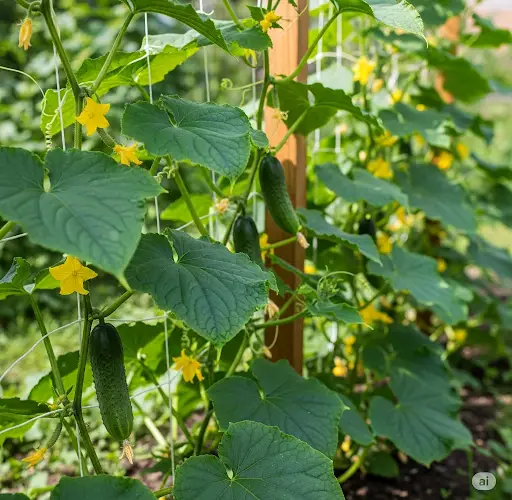
Cucumber plants are typically fast-growing and productive, but sometimes, even the most promising plants begin to wither, turn yellow, or stop producing altogether. Whether it’s due to poor soil, inconsistent watering, pests, or disease, seeing your cucumbers struggle can be discouraging — especially if you’ve invested time and energy into your garden.
But here’s the good news: there’s a simple, natural, and highly effective solution that can revive even weak or dying cucumber plants, stimulate growth, and prevent common diseases. This method works quickly and can help restore your plants to full vigor, leading to lush vines and abundant harvests.
Let’s break down why cucumbers fail, what they need to thrive, and the specific method that has helped countless gardeners breathe new life into their plants.
Why Cucumbers Decline
Before applying any remedy, it’s important to understand what might be causing the problem. Cucumber plants can decline due to several common issues:
-
Nutrient deficiency, especially nitrogen, potassium, and magnesium
-
Water stress (too much or too little)
-
Poor soil structure or drainage
-
Fungal infections, like downy mildew or root rot
-
Pests, such as aphids or spider mites
-
Lack of organic matter in the soil
Any one of these factors can lead to yellowing leaves, wilting vines, or stunted fruit — and often it’s a combination of issues.
The Natural Rescue Solution for Weak Cucumbers
Here’s a method that’s easy to prepare, cost-effective, and proven to kickstart growth and protect against disease:
Ingredients:
-
1 tablespoon of baking soda
-
1 tablespoon of hydrogen peroxide (3%)
-
1 tablespoon of liquid soap (mild, biodegradable)
-
1 tablespoon of wood ash or potassium-rich natural fertilizer (optional)
-
10 liters (approximately 2.5 gallons) of water
This blend creates a powerful tonic that:
-
Kills harmful fungi and bacteria
-
Boosts oxygen levels in the root zone
-
Cleanses the soil from pathogens
-
Improves plant immunity and stimulates growth
How to Prepare and Use It
-
Fill a watering can with 10 liters of clean, room-temperature water.
-
Add the baking soda, hydrogen peroxide, and liquid soap to the water.
-
Stir gently to dissolve all ingredients thoroughly.
-
Optionally, add a tablespoon of wood ash if your soil is low in potassium.
-
Water the cucumber plants at the base, soaking the root area generously.
Important: Do this in the early morning or late evening when the sun is not strong, to avoid leaf burn.
What Happens After Application
Many gardeners report noticeable improvements within 48 hours. The leaves begin to perk up, wilting stops, and new green growth appears. In cases where cucumbers had slowed or stopped flowering, this treatment helps reignite blooming and fruit production.
Here’s why it works:
-
Hydrogen peroxide releases extra oxygen into the soil, reviving roots that are suffocating or beginning to rot.
-
Baking soda alters the pH on leaf surfaces, preventing fungal growth.
-
Soap helps the solution spread and stick, improving its contact with pests and pathogens.
-
Wood ash supplies potassium, which is essential for flowering and fruit set.
Additional Tips to Keep Cucumbers Thriving
Once your plants begin to recover, help them stay strong and productive with these best practices:
1. Mulch Around the Base
-
Retains moisture
-
Suppresses weeds
-
Regulates soil temperature
2. Feed Weekly with Organic Fertilizer
-
Use compost tea, worm castings, or a balanced vegetable feed.
3. Provide Support
-
Train vines on a trellis or cage to improve air circulation and reduce disease risk.
4. Prune Wisely
-
Remove yellowing or diseased leaves.
-
Pinch off excessive side shoots for better energy distribution.
5. Inspect Regularly for Pests
-
Use neem oil or insecticidal soap for aphids, whiteflies, or spider mites.
-
Encourage beneficial insects like ladybugs in your garden.
When to Repeat the Treatment
If your cucumbers were in truly bad shape, you can repeat this treatment once every 7–10 days until plants are fully recovered. After that, reduce to once a month or use it only when needed — for example, after heavy rain, disease outbreaks, or transplant stress.
Avoid overuse, especially in healthy plants, as excessive hydrogen peroxide can damage root systems over time if not diluted properly.
Final Thoughts
It can be frustrating to see once-thriving cucumber plants start to decline. But before you give up and pull them out, try this simple yet powerful natural remedy. Even cucumbers that look almost dead can bounce back with the right support.
A mix of basic household ingredients and a little garden know-how can bring your plants back to life, protect them from disease, and help ensure a bountiful harvest of crisp, delicious cucumbers.
Give it a try — your garden just might surprise you with how quickly it recovers.


