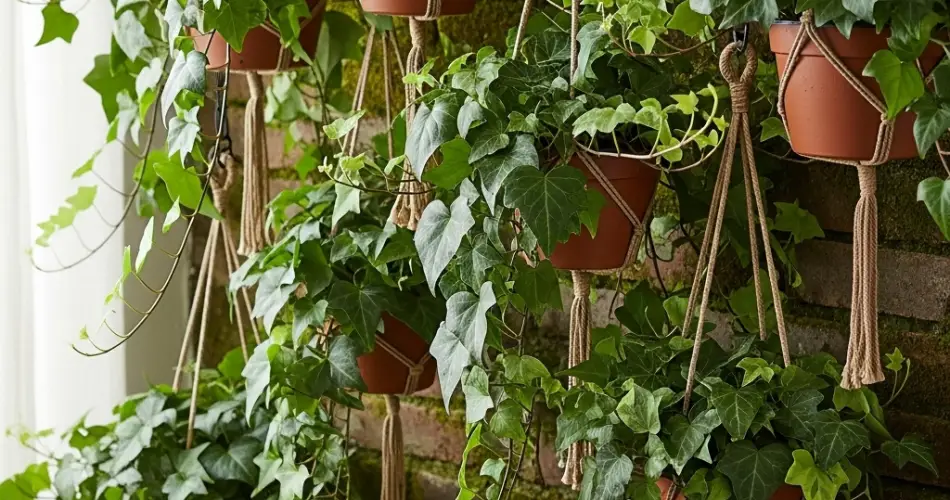
English ivy (Hedera helix) is a popular trailing plant often chosen for its elegant vines and ability to purify the air. When grown indoors, it adds a touch of classic greenery to bookshelves, hanging baskets, or decorative pots. However, to ensure your ivy remains vibrant and healthy inside the home, it’s essential to provide the right humidity levels and soil conditions. These two often-overlooked aspects are key to preventing stress, pests, and poor growth. Here’s how to manage humidity and soil to help your indoor English ivy thrive.
Understanding Indoor Humidity Needs
Although English ivy is known for its resilience, it does best in moderate to slightly high humidity. In its native environment, it grows in damp woodlands, where the air is often moist. Indoors, especially in homes with air conditioning or central heating, humidity levels can drop significantly—often to levels that cause stress to the plant.
Low humidity can lead to brittle leaves, browning edges, or increased susceptibility to spider mites, a common pest that thrives in dry conditions. To counter this, aim to keep indoor humidity around 40% to 60%—a comfortable range for both plants and people.
How to Increase Humidity for English Ivy
If the air in your home is dry, there are several easy ways to raise humidity for your ivy:
1. Use a Pebble Tray
Place a shallow tray filled with water and small pebbles underneath your ivy pot. Make sure the pot sits on the pebbles, not directly in the water. As the water evaporates, it creates a moist microclimate around the plant.
2. Group Plants Together
Houseplants naturally release moisture through a process called transpiration. By grouping several plants close together, you can boost humidity in their shared space.
3. Run a Room Humidifier
For those who live in very dry environments or during winter months, a small room humidifier is a reliable solution. Run it near your indoor plants to maintain ideal moisture levels in the air.
4. Avoid Direct Heat and Cold Drafts
Keep your ivy away from radiators, heaters, and air conditioning vents, as these can drastically reduce humidity and stress the plant. Similarly, avoid placing it near cold drafts during winter.
5. Skip Misting
While misting is often suggested for increasing humidity, it’s not ideal for English ivy. Misting can leave moisture on the leaves that may encourage fungal problems or leaf spotting. Focus instead on ambient methods like trays or humidifiers.
Choosing the Right Soil
Soil quality is just as important as humidity for the long-term health of English ivy. This plant prefers soil that is light, well-draining, and rich in organic matter. Poor soil choices can lead to root rot, nutrient deficiencies, or compacted roots that restrict growth.
Recommended Soil Mix:
A good indoor potting mix for ivy should include components like:
-
Peat moss or coco coir for moisture retention
-
Perlite or coarse sand for improved drainage
-
Compost or aged bark for added nutrients and aeration
You can buy a high-quality houseplant soil mix or make your own by blending equal parts potting soil, perlite, and peat moss.
Drainage Matters
No matter how good your soil mix is, drainage is critical. Always plant your ivy in a container with drainage holes. This prevents water from pooling at the bottom, which can lead to soggy roots and eventually root rot.
After watering, let excess water drain out completely. Empty any saucers to keep the base of the pot from sitting in water.
Watering and Soil Moisture Balance
Soil moisture and humidity go hand in hand. Overwatering in dry conditions can create a false sense of balance but actually harms the plant. English ivy likes soil that’s consistently moist but never soggy.
Here’s how to manage it:
-
Check the top inch of soil before watering. If it’s dry to the touch, it’s time to water.
-
Reduce watering frequency during the winter when the plant is semi-dormant.
-
If using a potting mix that retains too much moisture, add extra perlite or repot into a faster-draining blend.
Watch for Soil-Related Signs of Trouble
Understanding what your plant is telling you can help prevent long-term damage:
-
Yellowing leaves may indicate overwatering or poor drainage.
-
Crispy brown edges usually point to low humidity.
-
Drooping or soft stems can be a symptom of root rot due to soggy soil.
Regularly inspect your plant and soil, and make adjustments when needed.
Final Thoughts
When growing English ivy indoors, proper humidity and soil care make all the difference between a thriving plant and a struggling one. Aim for a moderately humid environment and plant your ivy in rich, well-draining soil. With just a bit of attention to these two factors, you’ll be rewarded with lush green vines and long-lasting indoor beauty.


