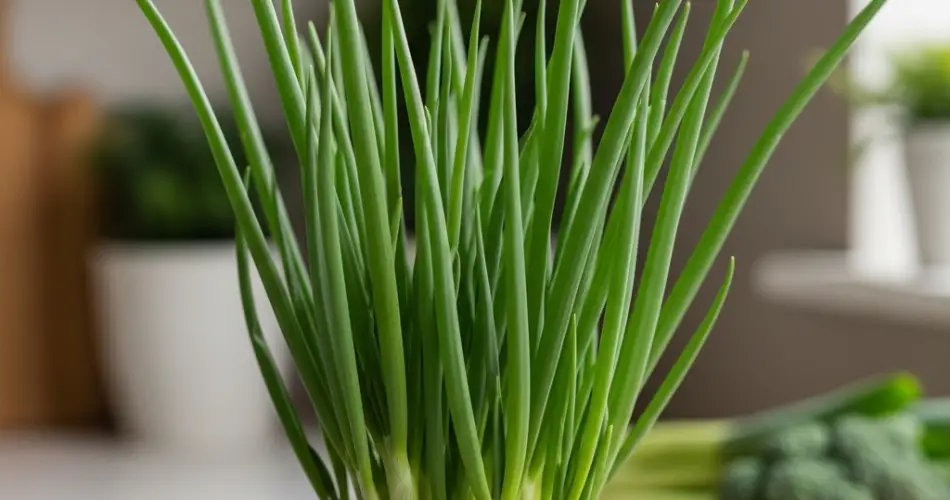
Scallions, also known as green onions or spring onions, are one of the easiest and most rewarding vegetables to grow at home. With just a simple pot and a few kitchen scraps or seeds, you can enjoy a continuous harvest of fresh, flavorful scallions right from your balcony, patio, or kitchen windowsill. These hardy plants don’t require much space or effort and can regrow again and again, making them a perfect choice for beginner and experienced gardeners alike.
Why Grow Scallions in Pots?
Scallions are ideal for container gardening because of their shallow root system and compact growth. They thrive in small spaces, grow quickly, and don’t require deep pots or complicated setups. Growing them in pots allows you to move them around to catch the sun or protect them from extreme weather. Plus, potted scallions are easy to manage in terms of pests, watering, and harvesting.
Whether you start them from seeds, sets, or leftover kitchen cuttings, scallions are quick to sprout and can be harvested multiple times, offering a nearly endless supply throughout the year.
Choosing a Pot and Soil
To grow scallions successfully, choose a wide, shallow pot that is at least 6–8 inches deep. You can use clay pots, plastic containers, recycled buckets, or even old bowls—just make sure there are adequate drainage holes at the bottom.
Fill your pot with a high-quality potting mix that drains well. Scallions grow best in loose, fertile soil rich in organic matter. Add compost or well-rotted manure to enrich the mix. Avoid compacted or heavy garden soil, which can stunt root development and slow down growth.
Starting from Kitchen Scraps
One of the easiest ways to grow scallions is by replanting leftover roots from store-bought bunches. When using scallions in the kitchen, save the white root ends, leaving about 1–2 inches of the base intact. Place them in a glass of water for a few days until new green shoots appear.
Once new growth reaches a few inches tall, transplant the scallion stubs into your prepared pot. Plant them upright with the roots in the soil and the green tips just above the surface. Water gently and place the pot in a sunny location.
This regrowth method can be repeated again and again, giving you a sustainable supply of scallions from your kitchen waste.
Growing from Seeds
You can also start scallions from seeds. Sow the seeds directly into the pot, scattering them evenly across the soil surface, and then cover them with a thin layer of soil (about ¼ inch deep). Water gently to keep the soil moist but not soggy.
Seeds will usually germinate within 7–14 days, depending on the temperature. Once the seedlings grow a few inches tall, thin them out so that each plant has about an inch of space. This gives the scallions room to grow strong and tall.
For a steady supply, consider sowing a new batch of seeds every few weeks. This staggered planting ensures you always have fresh scallions ready to harvest.
Sunlight and Watering Needs
Scallions prefer full sun but can tolerate partial shade, especially in hot climates. Aim for at least 4–6 hours of sunlight per day. If you’re growing them indoors, place the pot near a bright window or use a grow light to supplement natural light.
Water your scallions regularly to keep the soil consistently moist. However, avoid overwatering or letting the soil become waterlogged. Good drainage is essential to prevent root rot and other moisture-related issues.
Harvesting Scallions
Scallions can be harvested when they reach about 6–8 inches in height, which usually takes around 4–6 weeks from planting. To harvest, you can either pull the whole plant from the soil or cut the green tops with scissors, leaving the white base and roots intact so the plant can regrow.
If you harvest by cutting rather than pulling, the same plant can continue to produce new growth for multiple rounds of harvesting. Just be sure to give it time to recover between cuts.
Maintaining a Continuous Crop
To keep your scallion supply going indefinitely, maintain a simple planting and harvesting routine:
-
Replant kitchen scraps regularly.
-
Sow seeds every few weeks to stagger growth.
-
Harvest carefully to allow regrowth.
-
Refresh the soil or add compost every couple of months to maintain fertility.
With a little attention, your scallion pot can produce fresh greens for months without the need to replant from scratch each time.
Troubleshooting Tips
-
Yellowing leaves may indicate overwatering or poor drainage.
-
Slow growth could be due to a lack of nutrients—add compost or a diluted liquid fertilizer.
-
Crowded growth can reduce air circulation—thin plants as needed.
-
Pest issues are rare in potted scallions but watch for aphids or fungus gnats and treat naturally if necessary.
Final Thoughts
Scallions are one of the most convenient and productive vegetables you can grow in pots. Whether you’re using seeds or kitchen scraps, a small investment of time and space can yield a steady stream of fresh, homegrown flavor. Perfect for soups, stir-fries, salads, and garnishes, scallions are a must-have in any home garden—especially when you can grow them endlessly from a single pot.


