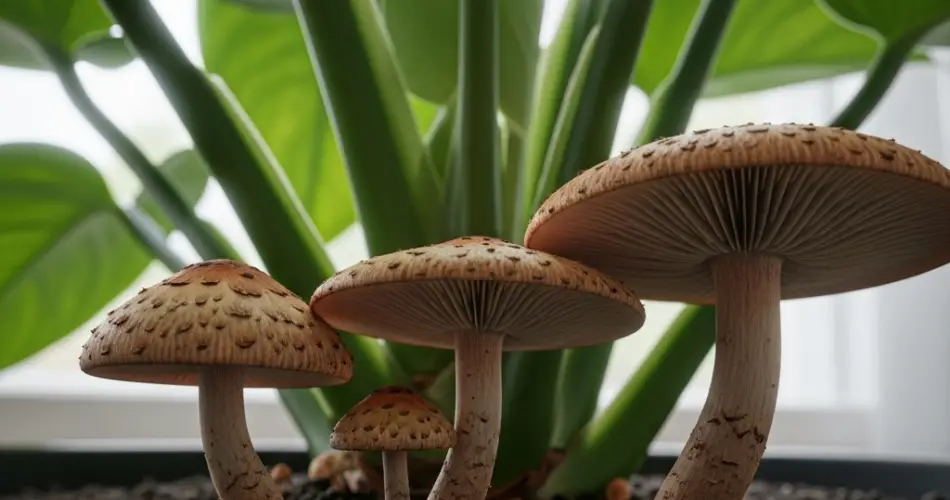
Fungal diseases are one of the most common problems gardeners face, whether growing vegetables, flowers, or houseplants. These unwelcome invaders can cause leaves to yellow and wilt, stems to rot, and fruits to develop unsightly spots—often leading to poor harvests or even plant death if left untreated.
Fortunately, you don’t need harsh chemicals to keep your plants safe. This article will show you how to make a highly effective, homemade organic fungicide that eradicates fungal infections and helps your plants stay healthy and vigorous. It’s simple, affordable, and safe for both your garden and the environment.
Understanding Plant Fungi and Why They Appear
Fungi thrive in moist, warm environments and can spread rapidly in crowded plantings or poorly ventilated areas. Common fungal issues include powdery mildew, downy mildew, rust, and leaf spot diseases. Fungi attack by extracting nutrients from plant cells, which damages the tissue and impairs the plant’s ability to grow and produce.
Typical causes of fungal outbreaks include:
-
Overwatering or poor drainage
-
High humidity and stagnant air
-
Dense planting without enough spacing
-
Plant stress due to poor nutrition or damage
Preventing and controlling fungal problems early is essential to avoid widespread damage.
Benefits of Using a Homemade Organic Fungicide
-
Non-toxic and safe: Unlike chemical fungicides, this homemade remedy is safe for humans, pets, and beneficial insects.
-
Environmentally friendly: It avoids harmful residues that contaminate soil and water.
-
Cost-effective: Uses readily available household ingredients.
-
Easy to prepare and apply: No special equipment needed.
-
Multi-purpose: Controls a broad spectrum of fungal pathogens.
Homemade Organic Fungicide Recipe: Ingredients and Preparation
Ingredients:
-
1 tablespoon of baking soda (sodium bicarbonate)
-
1 tablespoon of vegetable oil (such as olive oil or neem oil)
-
1 tablespoon of liquid soap (mild dish soap or castile soap)
-
1 liter (about 4 cups) of water
Why these ingredients?
-
Baking soda alters the pH on the leaf surface, making it hostile to fungal spores and preventing their growth.
-
Vegetable oil helps coat leaves, smothering fungal spores and improving the mixture’s adhesion.
-
Soap acts as an emulsifier, allowing oil and water to mix, and helps the solution stick to plant surfaces.
How to Prepare the Fungicide
-
In a clean container, mix the baking soda and water until fully dissolved.
-
Add the liquid soap and vegetable oil, stirring gently but thoroughly to combine all ingredients.
-
Pour the mixture into a spray bottle for easy application.
How to Use the Fungicide on Your Plants
-
Application frequency: Spray your plants once a week at the first sign of fungal infection. For prevention, spray every 10-14 days during humid or rainy seasons.
-
Coverage: Spray all surfaces of the plant, especially the undersides of leaves where fungal spores often hide.
-
Best time to spray: Early morning or late afternoon to avoid leaf burn caused by direct sunlight.
-
Test first: Always do a small patch test on a few leaves and wait 24 hours to check for any adverse reactions.
Additional Tips for Fungal Control
-
Improve air circulation: Space plants adequately and prune overcrowded branches.
-
Water properly: Water at the base of plants to avoid wetting the foliage.
-
Remove infected material: Dispose of fallen leaves and severely infected parts promptly to reduce fungal spores.
-
Use mulch: Applying mulch can prevent soil-borne fungal spores from splashing onto lower leaves.
Signs Your Fungicide Is Working
After applying the fungicide, you should notice a reduction in visible fungal growth within a few days. Leaves will stop developing new spots, existing ones may dry out and fall off, and plants will begin to recover their natural color and vigor.
Safety and Storage
-
Store the fungicide in a cool, dark place.
-
Shake well before each use.
-
Keep out of reach of children and pets.
-
Use the mixture within one week for best results.
Why This Method Stands Out
Commercial fungicides often contain harsh chemicals that can build up in the environment and harm beneficial insects like bees or ladybugs. This homemade fungicide uses everyday ingredients that are safe and sustainable, giving you peace of mind while protecting your plants naturally.
The simplicity of this recipe means you can quickly make fresh batches as needed, avoiding the expense and waste of store-bought products.
Conclusion
Fungal infections no longer need to be a source of frustration or plant loss. By using this homemade organic fungicide, you can effectively control and prevent common fungal diseases in your garden or home plants. It’s easy to make, gentle on your plants, and safe for your environment.
Try this natural solution and enjoy healthier, more resilient plants without the risks associated with chemical treatments. With proper application and good gardening practices, you’ll see your plants flourish, free from fungal troubles.


