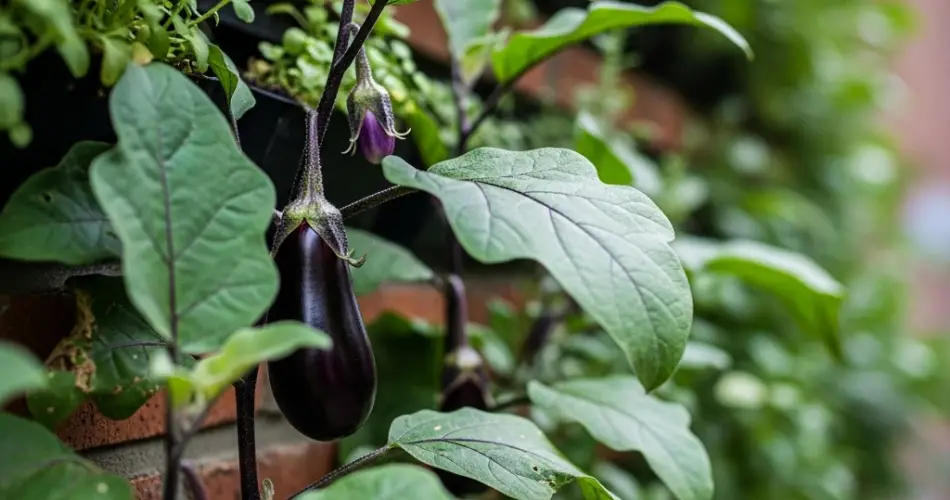
Growing fresh vegetables at home doesn’t require a large garden or spacious yard. In fact, with a little creativity, you can turn even the smallest spaces—like walls and balconies—into productive mini-gardens. One surprisingly effective technique is cultivating eggplants in recycled plastic bottles. This method is perfect for urban dwellers looking to maximize vertical space while enjoying homegrown produce.
Why Grow Eggplants Vertically?
Eggplants are typically considered garden plants that need soil depth and room to spread. However, they can also thrive in containers, provided they receive enough sunlight, nutrients, and water. Growing them vertically using wall-mounted bottles offers several benefits:
-
Space efficiency: Ideal for apartments, balconies, or walls with good sunlight.
-
Accessibility: Easier to care for and harvest due to their raised position.
-
Recycling: Makes use of plastic bottles that would otherwise end up in landfills.
-
Visual appeal: Turns a blank wall into a lush, green space.
Choosing the Right Eggplant Variety
For bottle-based vertical gardening, opt for compact or dwarf eggplant varieties. These include:
-
Miniature eggplants like ‘Fairy Tale’ or ‘Patio Baby’
-
Thai eggplants, which are smaller and round
-
Japanese varieties, which tend to be slender and lightweight
These types mature quickly and are better suited for container life due to their smaller root systems.
Materials You’ll Need
To set up your wall-mounted eggplant garden, gather the following:
-
1.5- or 2-liter plastic bottles (with caps)
-
Sharp knife or scissors
-
String or sturdy wire
-
Nail or screwdriver (for drainage holes)
-
Potting mix rich in compost
-
Organic fertilizer (preferably slow-release)
-
Eggplant seedlings or seeds
-
Wall hooks or a hanging rack
Preparing the Bottles
-
Cut the bottle: Lay the bottle on its side and cut out a rectangular window along one side. This will be the planting cavity.
-
Drainage: Use a nail or screwdriver to poke several small holes in the bottom for drainage.
-
Support holes: Make two small holes on opposite sides near the top to attach string or wire for hanging.
-
Clean and dry: Wash the bottles thoroughly and let them dry before adding soil.
Soil and Planting
Eggplants need well-draining, nutrient-rich soil. Mix equal parts of potting mix, compost, and a handful of rice hulls or coco peat for moisture retention and aeration. Fill each bottle about three-quarters full with the mix.
If starting from seeds:
-
Sow 2–3 seeds per bottle and thin out the weaker ones after germination.
-
Keep the soil moist but not soggy.
If using seedlings:
-
Make a small hole in the soil and plant the seedling gently, firming the soil around its base.
Mounting and Placement
Hang the bottles on a sunny wall that gets at least 6–8 hours of sunlight a day. Use durable hooks or racks to secure the bottles and prevent them from tipping or falling. For better support as the plants grow, you can add a small bamboo stick or trellis behind each bottle to guide the plant upward.
Watering and Feeding
Eggplants are thirsty plants and need regular watering, especially in small containers where soil can dry out quickly. Water once or twice daily, depending on temperature and sun exposure. Make sure the bottles have proper drainage to avoid root rot.
Feed your eggplants every 2–3 weeks with a balanced organic fertilizer. A mixture of compost tea, banana peel soak, or diluted fish emulsion works well.
Supporting the Plant
As eggplants grow, their stems may become heavy with fruit. Tie the main stem loosely to the support stick or trellis to prevent snapping. Remove lower leaves and any suckers to direct the plant’s energy into fruit production.
Pollination Tips
In small vertical gardens, natural pollinators may be scarce. If growing indoors or in tight balconies, gently shake the plant or use a small brush to transfer pollen between flowers.
Harvesting
Depending on the variety, eggplants are ready to harvest 60–80 days after transplanting. Pick the fruit when it’s glossy and firm, and before the skin becomes dull—an indicator of over-ripeness. Use scissors or garden shears to avoid damaging the stem.
Final Thoughts
Eggplants in bottles may sound unusual, but they are a clever and space-efficient solution for city dwellers or anyone with limited growing space. With minimal materials and a bit of care, you can enjoy fresh eggplants straight from your wall garden—proof that even vertical surfaces can be fertile ground for delicious homegrown vegetables.


