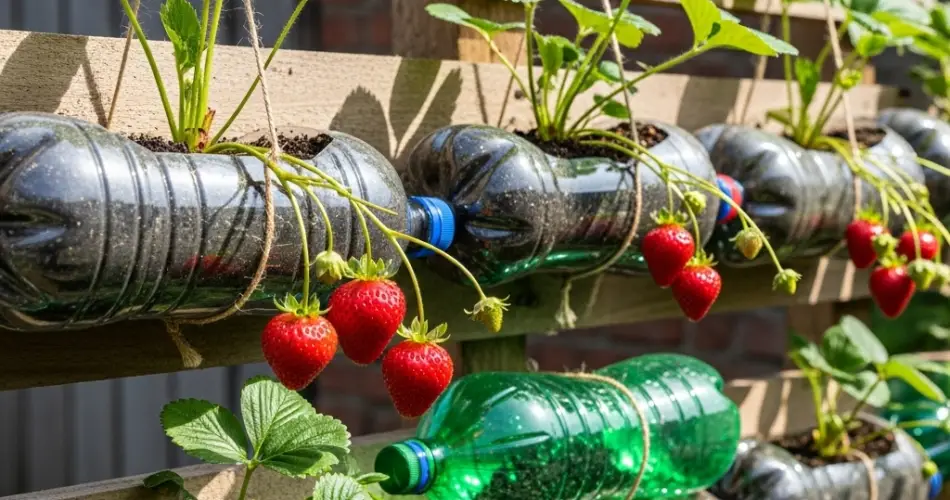
Strawberries are among the most beloved fruits, prized for their sweet flavor, vibrant color, and versatility in the kitchen. While they are often grown in garden beds or containers, there is a clever and eco-friendly way to propagate strawberries at home using something most households already have: plastic bottles. This method not only reduces waste but also allows you to grow strawberries even in small spaces, making it ideal for urban gardeners, balcony growers, or anyone with limited outdoor space.
By repurposing bottles into mini planters, you create a sustainable system that supports strawberry runners and seedlings. It is simple, cost-effective, and perfect for gardeners of all experience levels.
Why Use Bottles for Strawberry Propagation?
Strawberry plants naturally propagate through runners, also called stolons. These runners spread out from the mother plant and develop small nodes, which can take root to form new plants. Traditionally, gardeners pin runners into soil, but with upcycled bottles, you can create compact planters that encourage root development while saving space.
Bottle propagation comes with several benefits:
-
Eco-friendly: Gives new purpose to plastic waste.
-
Affordable: Requires little more than bottles, soil, and a healthy strawberry plant.
-
Space-saving: Perfect for balconies, patios, and small gardens.
-
Control: Bottles provide an individual growing space for each runner, reducing competition and ensuring strong roots.
Materials You’ll Need
-
One or more strawberry plants with runners
-
Clean plastic bottles (1–2 liters work best)
-
Potting soil or a mix of garden soil and compost
-
Scissors or a sharp knife
-
Watering can or spray bottle
Optional: A small amount of organic fertilizer to boost growth once plants are established.
Preparing the Bottle Planters
-
Select clean plastic bottles and cut them horizontally about one-third of the way from the top.
-
Use the bottom portion as the planter. Poke 2–3 small drainage holes in the base to prevent waterlogging.
-
If you want a hanging system, keep the top half of the bottle, invert it, and attach strings or wires so the planter can be suspended.
-
Fill the bottom portion with nutrient-rich soil, leaving about an inch of space from the rim.
This simple setup creates a sustainable container that supports strong root growth while keeping plants compact.
Collecting and Planting Strawberry Runners
-
Identify healthy runners from your existing strawberry plant. These are long stems with small nodes that will eventually form new plants.
-
Place the node directly into the prepared soil in your bottle planter, leaving the connecting stem attached to the mother plant.
-
Secure the node gently with a small stone, toothpick, or bent wire so it stays in contact with the soil.
-
Keep the bottle planter close to the mother plant to avoid stressing the runner.
Over the next 2–3 weeks, the runner will begin to establish roots in the soil. It is important to keep the soil consistently moist during this period.
Nurturing Young Strawberry Plants
Place the bottle planters in a location with partial to full sunlight. Strawberries thrive with at least 6 hours of direct light daily, so choose a sunny balcony, windowsill, or patio corner.
-
Watering: Keep the soil lightly moist. Avoid overwatering, as soggy soil can cause root rot.
-
Fertilizer: After the young plant establishes roots, you can apply a diluted organic fertilizer once a month.
-
Monitoring Growth: Within a few weeks, the runner node will produce its own roots and leaves. Once it looks strong enough, it can be separated from the mother plant.
Transplanting to a Larger Container or Garden
When the young strawberry plant has developed strong roots and 3–4 healthy leaves, it is ready to be transplanted.
-
Prepare a larger pot or garden bed with well-draining soil enriched with compost.
-
Gently snip the runner stem connecting the young plant to the mother plant.
-
Remove the plant carefully from the bottle, ensuring roots remain intact.
-
Replant it in the new container, water thoroughly, and place it in a sunny location.
This transition allows the young plant to continue growing independently and eventually produce fruits of its own.
Harvesting and Enjoying Homegrown Strawberries
Strawberries propagated through bottles can begin producing fruit within a few months, depending on the season and variety. Regular watering, sunlight, and occasional feeding will keep the plants healthy and productive. Once berries ripen to a bright red color, harvest them immediately to enjoy their best flavor.
Benefits of Bottle Strawberry Propagation
This method is more than just practical; it promotes sustainable gardening and makes growing fruit accessible for anyone. Some advantages include:
-
Reduces waste by recycling bottles.
-
Encourages sustainable living practices.
-
Provides fresh strawberries at home without needing a large garden.
-
Allows controlled propagation of runners for healthier plants.
-
Fun and educational for families and children.
Conclusion
Propagating strawberries with upcycled bottles is an easy and eco-friendly gardening method that combines sustainability with productivity. By reusing simple household items, you can create thriving mini planters that give strawberry runners the perfect environment to grow. This technique not only helps reduce plastic waste but also brings the joy of harvesting fresh strawberries right into your home, no matter how limited your space may be.


