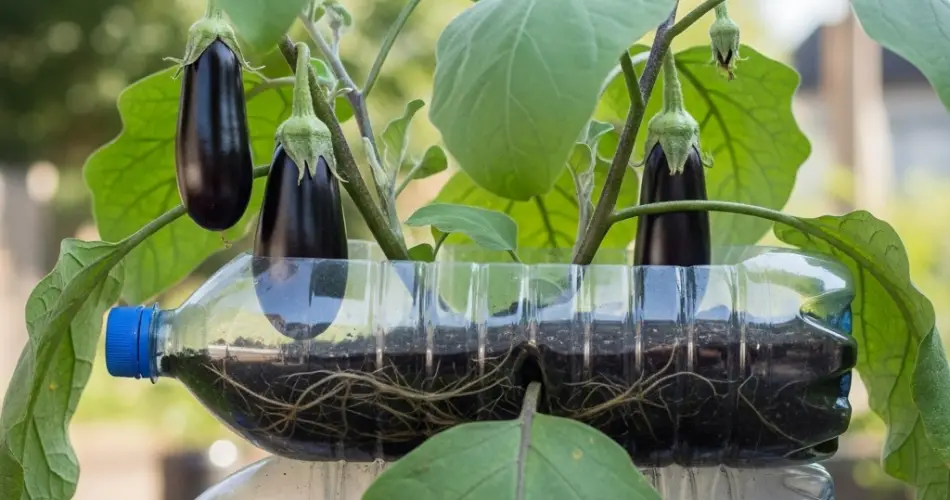
Eggplant, also known as aubergine, is a versatile and productive vegetable that can be grown successfully in small spaces. With the right method, you can propagate eggplants efficiently and watch their progress from root to harvest. One of the most practical ways to do this is by using transparent plastic bottles as pots. These recycled containers not only save space and reduce waste but also allow you to observe root development—a big advantage for beginner gardeners and anyone who enjoys seeing plants grow from the ground up.
Why Use Transparent Bottles for Eggplant?
Transparent bottle pots have several benefits:
-
Root Visibility: You can see root growth and detect issues like rot or pests early.
-
Cost Savings: Recycles common household items into functional planters.
-
Space Efficiency: Fits easily on balconies, patios, or small gardens.
-
Control: Allows better monitoring of soil moisture levels.
Eggplants adapt well to container growing, and transparent bottles make propagation easier and more rewarding.
Materials You’ll Need
To get started, prepare the following items:
-
Large transparent plastic bottles (1.5–2 liters)
-
A sharp knife or scissors
-
Potting mix or a blend of compost and garden soil
-
Eggplant seeds or healthy seedlings
-
A small trowel or spoon
-
Watering can or spray bottle
Preparing the Transparent Bottle Pots
-
Clean the Bottles
Wash the bottles thoroughly to remove any residue. -
Cut the Bottles
Cut each bottle horizontally about one-third from the top. The bottom section will hold the soil and plant. You can invert the top section to act as a humidity dome during the seedling stage if desired. -
Make Drainage Holes
Use a heated skewer, nail, or sharp tool to poke several small holes in the bottom of the planter for water drainage. -
Add Soil
Fill the bottom section with nutrient-rich, well-draining potting mix, leaving a few centimeters of space from the rim.
Propagating Eggplant from Seeds
-
Sow the Seeds
Make shallow holes about 1 cm deep. Place one or two seeds in each hole and cover lightly with soil. -
Water Gently
Moisten the soil without overwatering. Transparent bottles make it easy to see when the soil is evenly damp. -
Create a Mini Greenhouse
For faster germination, place the top section of the bottle upside down over the planter to trap warmth and humidity. -
Germination Stage
Keep the bottle in a warm, bright location. Eggplant seeds usually germinate within 7–14 days. Remove the humidity dome once seedlings are about 5–7 cm tall.
Propagating from Seedlings
If you already have eggplant seedlings, transplant them directly into the prepared bottle pots. Ensure the seedlings are about 8–10 cm tall with healthy leaves before transplanting.
Steps:
-
Make a small hole in the soil.
-
Place the seedling in the hole and gently firm the soil around it.
-
Water thoroughly after planting.
Caring for Bottle-Grown Eggplants
-
Light: Eggplants require at least 6–8 hours of direct sunlight daily. Place your bottles in a sunny spot.
-
Watering: Transparent bottles let you see the moisture level. Water when the top 2–3 cm of soil are dry. Avoid waterlogging to prevent root rot.
-
Feeding: Apply a diluted liquid fertilizer every 2–3 weeks to encourage healthy growth and flowering.
-
Temperature: Eggplants thrive in warm conditions, ideally between 21–30°C (70–86°F).
Monitoring Root Development
One of the biggest benefits of transparent bottle pots is the ability to observe root growth. Healthy roots should be white and firm. If you notice brown, mushy roots, reduce watering and improve drainage.
This visibility also helps you determine when the plant has outgrown its container—when roots fill the bottle, it’s time to transplant to a larger pot or garden bed.
Transplanting to Larger Containers or Garden Beds
Once your eggplant is well-established and has a strong root system, you can transfer it to a larger container or plant it in the ground. Handle the roots carefully during transplanting to avoid damage.
Harvesting Your Eggplants
Eggplants are usually ready for harvest 60–80 days after transplanting, depending on the variety. Harvest when the skin is glossy and the fruit is firm to the touch. Overripe eggplants can become bitter, so pick them promptly.
Advantages of This Method
-
Eco-Friendly: Gives new life to discarded bottles.
-
Educational: Great for learning about plant root systems.
-
Space-Saving: Perfect for small urban spaces.
-
Flexible: Works for both seed starting and seedling growth.
Troubleshooting Tips
-
Slow Growth: Ensure the plant gets enough sunlight and nutrients.
-
Leaf Yellowing: May indicate overwatering or nutrient deficiency—adjust watering and feed regularly.
-
Root Rot: Caused by excess moisture—improve drainage and water less frequently.
Final Thoughts
Growing eggplants in transparent bottle pots is a practical, sustainable, and rewarding gardening method. It’s perfect for gardeners who want to reuse materials while keeping a close eye on plant health. By providing the right care, you can enjoy healthy eggplants from a simple, low-cost setup—and watch your plants grow from root to harvest right before your eyes.


