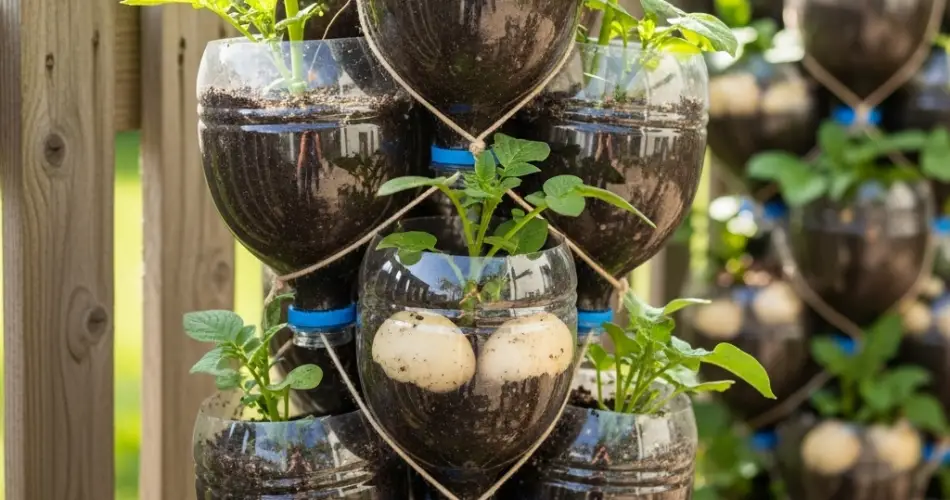
Potatoes are one of the most versatile and widely consumed vegetables around the world. Many gardeners grow them from seed potatoes or tubers, but another fascinating method is propagating potatoes from cuttings. By using a simple plastic bottle setup, you can root potato cuttings indoors before transferring them to soil. This approach is cost-effective, sustainable, and an excellent way to give new life to leftover potato sprouts.
Using bottles as mini planters is not only practical but also environmentally friendly. Upcycling plastic bottles reduces waste and provides a controlled space for cuttings to develop roots. Whether you’re a beginner gardener or looking for a creative indoor project, rooting potato cuttings in bottles is an easy and rewarding activity.
Why Root Potatoes from Cuttings?
Most people grow potatoes from whole or cut seed potatoes, but cuttings provide another option that saves space and resources. Potato vines can develop roots from their stems, making them suitable for propagation. Here are some reasons to try this method:
-
Space-saving start: Ideal for urban gardeners with limited room.
-
Recycling opportunity: Makes use of old potatoes or sprouts that might otherwise be discarded.
-
Controlled rooting: Growing in bottles allows you to monitor root development.
-
Cost-effective: Saves money on seed potatoes and makes gardening more sustainable.
Materials You Will Need
-
A clean plastic bottle (1–2 liters works best)
-
A sharp knife or scissors
-
Fresh potato cuttings or sprouted potato sections
-
Water
-
Optional: potting soil (if transitioning cuttings to soil later)
-
A sunny windowsill or bright indoor location
Preparing the Bottle Planter
-
Select the bottle: Choose a clear plastic bottle so you can see root growth.
-
Cut the bottle: Slice it horizontally about one-third from the top. The bottom half becomes your planter.
-
Make drainage holes (optional): If you plan to use soil, poke small holes in the base. If you are rooting in water, no holes are needed.
-
Clean thoroughly: Wash the bottle before planting to prevent bacteria and mold.
Your bottle is now ready for rooting potato cuttings.
Preparing the Potato Cuttings
-
Choose healthy potato cuttings with at least one sprout or eye.
-
Cut sections about 2–3 inches long, making sure each piece has a sprout or node.
-
Allow the cuttings to air-dry for several hours. This helps form a protective layer, reducing the risk of rot once placed in water or soil.
Two Methods to Root Potato Cuttings
1. Rooting in Water
This is the simplest way to watch roots develop.
-
Fill the bottom half of the bottle with a few inches of water.
-
Place the potato cuttings into the water, ensuring that the sprouted end stays above the surface while the lower part touches the water.
-
Set the bottle in a bright location with indirect sunlight.
-
Change the water every 2–3 days to keep it fresh.
In about one to two weeks, you should see fine white roots emerging from the stems.
2. Rooting in Soil
For a sturdier start, you can place cuttings directly in soil.
-
Fill the bottle half with potting mix.
-
Insert the potato cuttings into the soil, leaving the sprouted end above the surface.
-
Water lightly, ensuring the soil stays moist but not soggy.
-
Keep the bottle in a sunny spot and check moisture regularly.
Within two weeks, the cuttings will develop roots and new leafy growth. Once strong enough, they can be transplanted to larger containers or a garden bed.
Caring for Rooted Potato Cuttings
Once your cuttings begin to establish roots, a little care will ensure they thrive.
-
Light: Keep them in a sunny location for at least 6 hours of indirect or direct light daily.
-
Water: Maintain consistent moisture—fresh water for hydroponic rooting, or evenly moist soil if planted.
-
Temperature: Potatoes prefer cooler temperatures between 15–20°C (59–68°F).
-
Transitioning outdoors: If transplanting to the garden, harden off the plants by gradually exposing them to outdoor conditions over a week.
Benefits of Bottle Propagation
-
Transparency: The clear bottle lets you see root development without disturbing the plant.
-
Upcycling: Repurposes plastic bottles that might otherwise be discarded.
-
Cost savings: Maximizes the use of leftover potato sprouts.
-
Compact system: Perfect for small homes, apartments, or school projects.
-
Educational value: Great for teaching children how roots and shoots develop.
Harvest Expectations
While potato cuttings rooted in bottles can be transplanted and grown into productive plants, yields may be slightly lower compared to traditional seed potato planting. However, with proper care, you can still harvest fresh, homegrown potatoes. The leafy vines that develop also add greenery to your indoor garden during the propagation stage.
Conclusion
Rooting potato cuttings in plastic bottles is an easy, eco-friendly gardening project that transforms simple household items and food scraps into thriving plants. With just a bottle, water or soil, and a bit of patience, you can watch roots form and new plants take shape.
This method is not only practical for producing potatoes but also serves as a fun and educational experiment in sustainable gardening. Whether you keep your cuttings indoors or transplant them outside for full growth, the satisfaction of turning scraps into harvestable crops makes the effort worthwhile.


