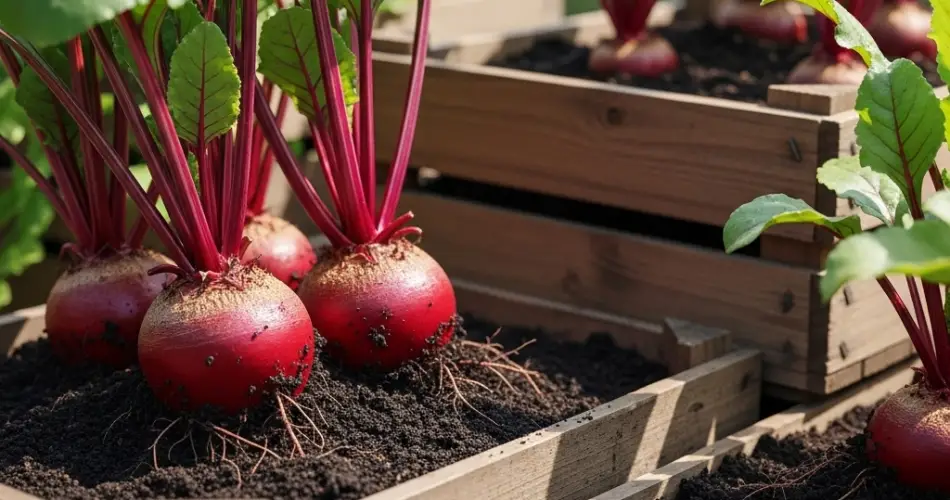
Beetroot is a colorful, nutrient-rich vegetable that has long been prized for both its sweet, earthy roots and its tender, leafy greens. From roasted beet salads to fresh juices and sautéed beet greens, this versatile crop offers multiple harvests from a single plant. The best part? Beetroots are remarkably easy to grow, even in small spaces. For gardeners with limited room, rustic wooden boxes provide the perfect environment to cultivate a healthy and continuous beetroot harvest.
Why Wooden Boxes Work Well for Beetroots
Wooden boxes have become a favorite choice for small-space gardening, and they are particularly effective for growing root crops like beetroot. Unlike heavy clay soil in traditional garden beds, which can hinder root expansion, wooden boxes let you create a custom soil mix that is loose, well-aerated, and nutrient-rich. This helps the roots grow evenly and develop into plump, tender bulbs.
The natural insulation of wood helps regulate soil temperature, keeping conditions stable for beetroot growth. Since beetroot thrives in cooler weather, this insulation is especially valuable during temperature fluctuations. Wooden boxes are also versatile in size, so you can fit them onto patios, balconies, or even window ledges while still producing a rewarding harvest. Their rustic look adds charm to outdoor spaces, blending productivity with decorative appeal.
Selecting the Right Box
The depth of the box matters when growing beetroots. Because the bulbs form below the soil surface, aim for a wooden box at least 10–12 inches deep. A width of 18–24 inches allows for several rows or clusters of plants.
Choose untreated wood such as cedar, pine, or redwood, which are naturally durable and safe for edible crops. Avoid pressure-treated lumber, as it may leach chemicals into the soil. Drill multiple drainage holes in the bottom of the box, and raise it slightly on bricks or wooden slats to prevent excess water from pooling at the base.
Preparing the Soil
Beetroot grows best in fertile, loose, and well-draining soil. A good mix for wooden box gardens includes equal parts compost, garden loam, and coarse sand or perlite. This ensures the soil stays light enough for roots to expand easily while holding sufficient moisture.
The ideal pH for beetroot is slightly acidic to neutral, around 6.0–7.5. Before sowing seeds, enrich the soil with compost or an organic fertilizer rich in potassium and phosphorus. Avoid excessive nitrogen, which encourages leafy tops at the expense of root development.
Planting Beetroot
Beetroot is best grown directly from seed rather than transplanting. Each beet seed cluster typically contains several seeds, so thinning is part of the process.
-
Sowing depth: Plant seeds about ½ inch deep.
-
Spacing: Place seeds 2 inches apart in rows that are 4–6 inches apart.
-
Thinning: Once seedlings reach 2–3 inches in height, thin them to 3–4 inches apart to give roots enough space to mature. The thinned seedlings, known as beet greens, are delicious in salads or stir-fries.
To ensure a continuous harvest, sow fresh seeds every two to three weeks. This staggered planting keeps a steady supply of beets ready for harvest throughout the season.
Light and Water Requirements
Beetroot grows best in full sun, needing about 6 hours of direct light per day. However, it can tolerate partial shade, particularly in hot climates where too much sun may stress the plants.
Consistent watering is essential for producing tender roots. Keep the soil evenly moist, but not waterlogged. Wooden boxes can dry out more quickly than garden beds, so check soil moisture regularly. Applying a layer of mulch helps retain moisture and prevents the soil from drying too quickly. Irregular watering may lead to woody or misshapen roots.
Feeding and Maintenance
Beetroot is not a heavy feeder, but it benefits from light applications of fertilizer during its growth cycle. Use a balanced organic fertilizer or compost tea every three to four weeks to maintain nutrient levels. Focus on phosphorus and potassium for healthy root development.
Weeding is important in wooden boxes, where space is limited and competition for nutrients is high. Gently hand-pull weeds to avoid disturbing shallow roots. Regularly remove any yellowing leaves to encourage healthy growth.
Pests and Problems
Beetroot is generally a hardy crop, but some pests may appear, such as aphids, leaf miners, or flea beetles. Inspect plants frequently and use organic pest controls like neem oil, insecticidal soap, or companion planting with herbs that repel insects.
Fungal diseases such as powdery mildew or damping-off can occur in damp, crowded conditions. Ensure good air circulation, avoid overwatering, and thin plants appropriately to reduce risks.
Harvesting Beetroot
Beetroot can be harvested at different stages depending on your preference. Baby beets, about 1–2 inches in diameter, are tender and sweet. For larger bulbs, wait until they reach 3–4 inches across. Harvest by gently loosening the soil and pulling the roots from the box.
Don’t forget the greens—beet leaves are edible and full of nutrients. Young leaves can be eaten raw in salads, while mature leaves work well sautéed or added to soups. This dual harvest makes beetroot especially rewarding for wooden box gardens.
Final Thoughts
Growing beetroot in rustic wooden boxes is a simple and rewarding way to enjoy this versatile crop, even in small spaces. By choosing the right box, preparing loose and fertile soil, and practicing consistent watering, you can harvest sweet, tender roots along with fresh, nutritious greens. With staggered plantings, beetroot can provide a continuous supply of food throughout the growing season.
Whether you enjoy them roasted, juiced, or added to hearty meals, beetroots grown at home deliver unmatched freshness and flavor. Wooden box gardening not only makes beetroot cultivation accessible for urban gardeners but also brings beauty and practicality to your outdoor space.


