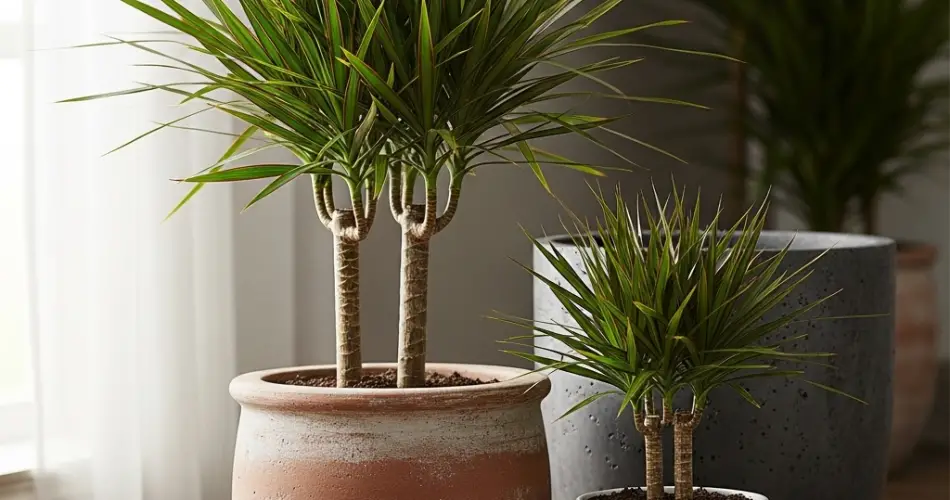
Dracaena is a diverse and attractive group of indoor plants known for their striking foliage, upright growth, and ability to thrive in a variety of indoor environments. Popular species like Dracaena marginata (dragon tree), Dracaena fragrans (corn plant), and Dracaena reflexa (song of India) are prized for their architectural appeal and low-maintenance care.
To ensure your dracaena remains healthy, lush, and long-lived, it’s essential to understand its basic care needs. With the right techniques, your plant can flourish for many years as a vibrant, low-stress addition to your indoor space.
1. Light Requirements
Dracaenas prefer bright, indirect light but can tolerate lower light conditions. Too much direct sunlight, especially during the summer, can cause leaf burn and fading. On the other hand, too little light can lead to slow growth and pale or drooping leaves.
-
Ideal placement: Near an east- or north-facing window or several feet back from a bright south- or west-facing window.
-
Signs of too much light: Brown leaf tips, scorched edges, or curling leaves.
-
Signs of too little light: Stretching, slow growth, and faded leaf color.
Variegated types need more light to maintain their leaf patterns, while green varieties are more tolerant of shade.
2. Watering Wisely
Watering is often where plant care goes wrong. Dracaenas are sensitive to both overwatering and poor-quality water.
-
Let the top inch or two of soil dry out before watering again.
-
Use distilled, filtered, or rainwater whenever possible. Dracaenas are sensitive to fluoride and chlorine, which can cause leaf tip burn and browning.
-
Ensure proper drainage to prevent soggy soil and root rot. Empty any excess water from saucers after watering.
During winter months, reduce watering frequency, as growth slows and soil stays moist longer.
3. Humidity and Temperature
Dracaenas appreciate moderate humidity levels and consistent temperatures.
-
Ideal temperature range: 65–80°F (18–27°C). Avoid placing the plant in cold drafts or near heating vents.
-
Boost humidity if your home is dry: use a humidifier, place a water tray nearby, or group plants together.
-
Avoid misting directly onto the leaves if your plant is prone to fungal issues.
Consistent conditions help prevent browning tips and leaf drop.
4. Proper Soil and Potting
Use a light, well-draining potting mix—a standard indoor plant mix with added perlite or pumice works well. Dracaenas dislike heavy, compacted soils that retain too much moisture.
-
Repot every 2–3 years or when roots begin circling the pot or pushing out of the drainage holes.
-
Choose a container with drainage holes to protect against overwatering.
Repotting also refreshes the soil and prevents salt buildup from fertilizers and tap water.
5. Fertilizing for Steady Growth
Dracaenas are not heavy feeders, but they do benefit from regular fertilizing during the growing season.
-
Use a balanced, water-soluble fertilizer every 4–6 weeks from spring through early fall.
-
Reduce or stop feeding during the winter months.
-
Avoid overfertilizing, as it can cause leaf tip burn and salt accumulation in the soil.
If leaf tips begin browning, try flushing the soil with plain water to remove excess salts.
6. Pruning for Shape and Health
Pruning keeps your dracaena looking neat and encourages bushier, more compact growth.
-
Remove yellow or dead leaves as they appear.
-
Cut back tall, leggy stems to stimulate new shoots from lower nodes.
-
Use clean, sharp scissors or shears and sterilize them before and after use to prevent disease.
Cuttings from healthy stems can also be propagated in water or soil to grow new plants.
7. Dealing with Common Problems
Healthy dracaenas are quite resilient, but they can still encounter a few issues:
-
Brown tips: Often caused by low humidity, inconsistent watering, or poor water quality.
-
Yellowing leaves: Could indicate overwatering or poor drainage.
-
Leaf drop: Normal for older, lower leaves, but excessive drop may suggest stress.
-
Pests: Watch for spider mites, mealybugs, or scale. Treat infestations early with insecticidal soap or neem oil.
Maintaining a clean environment and avoiding overwatering will prevent most common problems.
8. Rotate for Even Growth
Dracaenas naturally lean toward the light. To keep your plant symmetrical and upright:
-
Rotate the pot every week or two so all sides receive equal light exposure.
-
This encourages balanced growth and prevents the plant from becoming lopsided or leggy.
9. Support Tall Plants
Some dracaenas, like D. marginata, can grow tall and top-heavy. If your plant starts to lean or feels unstable:
-
Use a stake or moss pole for support.
-
Trim the top if it becomes too tall for your space—new shoots will develop from the cut point.
Controlling height helps the plant stay manageable and visually appealing.
10. Be Patient with Growth
Dracaenas are relatively slow growers. Don’t be alarmed if your plant doesn’t produce new leaves frequently.
-
Focus on consistent care rather than rapid growth.
-
A well-cared-for dracaena may live for many years, steadily becoming a taller, more elegant plant.
Conclusion
Dracaena is a reliable and striking addition to any indoor plant collection. With thoughtful care—providing the right light, water, and environment—you can enjoy long-term growth and vibrant foliage for years to come. These top techniques will help you maintain a healthy, thriving plant that continues to enhance your indoor space.


