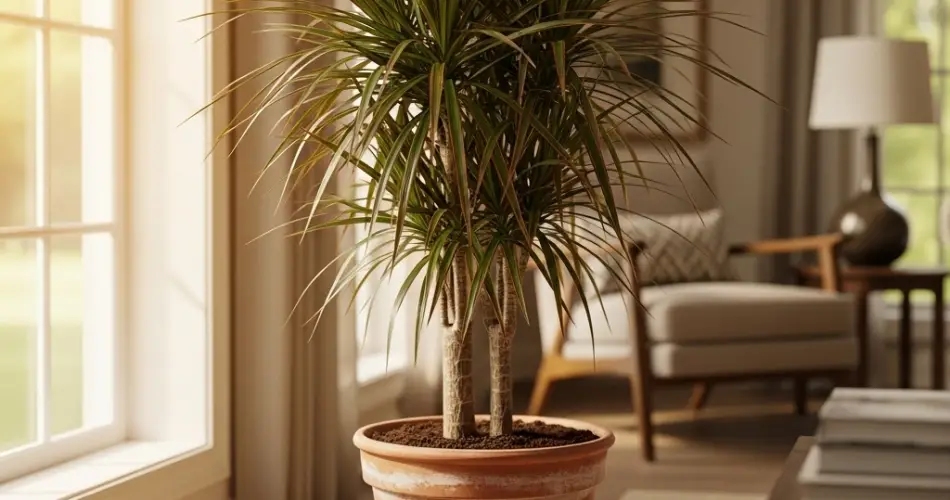
Dracaena plants are well-loved for their striking foliage, architectural form, and ability to thrive in a variety of indoor conditions. Their resilience makes them a favorite among both beginner and experienced plant enthusiasts. However, like all houseplants, they benefit from routine maintenance to look their best and grow strong. Proper care involves more than just watering—it also includes dusting leaves, pruning damaged growth, and maintaining the right moisture balance.
By combining these simple practices, you can keep your Dracaena vibrant, healthy, and free from common problems such as leaf discoloration, pest infestations, and root issues.
Dusting for Healthy Leaves
Indoor plants like Dracaena naturally collect dust on their leaves over time. This not only dulls their appearance but can also block sunlight from reaching the leaf surface, limiting photosynthesis. Regular dust removal ensures that the plant can efficiently produce energy and maintain vibrant color.
How to dust your Dracaena:
-
Use a soft, damp cloth – Gently wipe both sides of each leaf to remove dust without scratching the surface.
-
Support the leaf while cleaning – Hold it gently at the base to avoid bending or breaking it.
-
For delicate varieties – Use a soft brush or feather duster to remove loose particles.
-
Avoid harsh cleaners – They can damage the natural waxy coating of the leaves. Plain water works best.
Dusting every 2–3 weeks not only improves the plant’s health but also gives you a chance to inspect for pests like spider mites or mealybugs, which often hide on the undersides of leaves.
Pruning for Shape and Health
Dracaena plants have a natural upright growth pattern, but occasional pruning helps maintain an attractive shape and encourages fresh growth. Pruning is also an effective way to remove damaged or yellowing leaves that could drain the plant’s energy.
Pruning tips:
-
Use clean, sharp scissors or pruning shears – This reduces the risk of disease.
-
Remove yellow or brown leaves – Cut them close to the stem without damaging healthy tissue.
-
Trim leggy stems – If your Dracaena becomes too tall or sparse, cut back stems to encourage new branching.
-
Time it right – The best time to prune is in spring or early summer, when the plant is in its active growth phase.
Cuttings from healthy stems can even be propagated to grow new plants. Simply place them in water or a moist potting mix until roots develop, then pot them up.
Maintaining Moisture Balance
Watering is one of the most important aspects of Dracaena care, and it’s also the most common area where mistakes happen. These plants prefer slightly moist soil but are sensitive to both overwatering and underwatering. Too much water can lead to root rot, while too little can cause dry, crispy leaf tips.
Guidelines for proper watering:
-
Check soil before watering – Insert your finger 1–2 inches into the soil. If it feels dry, it’s time to water.
-
Water thoroughly – Add water until it drains out of the bottom, then empty the saucer to prevent standing water.
-
Adjust with the seasons – In warmer months, Dracaena may need water more frequently, while in cooler months, allow the soil to dry out more between waterings.
-
Use filtered or distilled water – Dracaena is sensitive to fluoride and salts often found in tap water, which can cause leaf tip burn.
Humidity Considerations
While Dracaena can adapt to average indoor humidity, it thrives in slightly more humid conditions. If your home is very dry—especially in winter—consider increasing humidity by:
-
Placing a humidity tray under the plant.
-
Grouping plants together to create a moisture-rich microclimate.
-
Running a humidifier nearby.
Extra Care Tips for Long-Term Health
-
Fertilizing – Feed with a balanced liquid fertilizer every 4–6 weeks during spring and summer. Avoid overfertilizing, as too many nutrients can damage the roots.
-
Repotting – Refresh the soil every 2–3 years to prevent compaction and replenish nutrients. Use a well-draining potting mix.
-
Light – Dracaena prefers bright, indirect light but can tolerate low light conditions. Avoid direct sunlight, which can scorch the leaves.
-
Pest Prevention – Regularly check for pests during dusting sessions. If you notice sticky residue or small insects, treat the plant promptly with insecticidal soap.
Troubleshooting Common Problems
-
Yellow leaves – Often caused by overwatering. Allow soil to dry more between waterings.
-
Brown leaf tips – Usually due to low humidity, fluoride in water, or underwatering.
-
Drooping leaves – Can be a sign of underwatering or sudden temperature changes.
Addressing these issues early helps prevent long-term damage and keeps your plant looking lush.
Final Thoughts
Maintaining a Dracaena is straightforward once you establish a consistent care routine. Regular dusting ensures leaves stay clean and efficient at producing energy, pruning keeps the plant tidy and encourages new growth, and proper moisture management prevents root problems while supporting overall health.
With these practices in place, your Dracaena can remain a striking focal point in your home for many years, rewarding you with vibrant foliage and steady growth.


