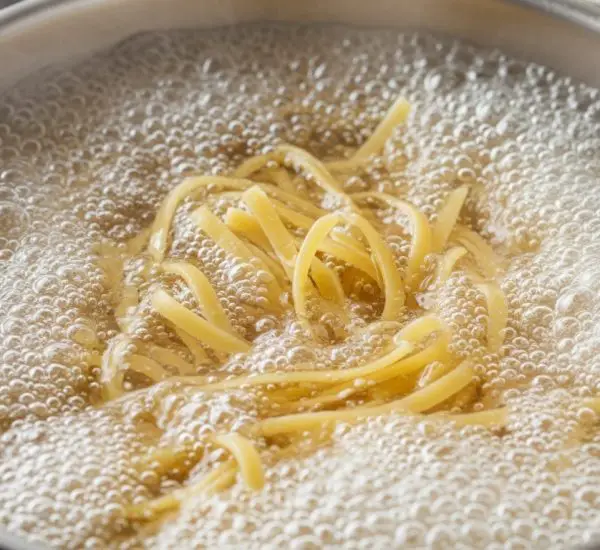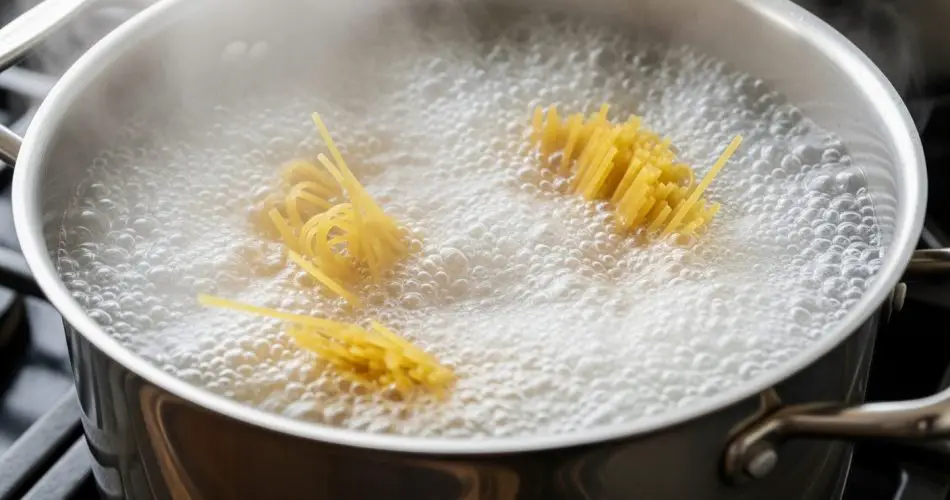
When you cook pasta or vegetables, don’t pour the cooking water down the drain. Instead, reuse it to water your plants! This simple, eco-friendly habit not only helps you save water but also provides your plants with natural nutrients that promote healthy, lush growth. Let’s explore why this “leftover” water is so beneficial and how to use it correctly to get the best results for your houseplants, garden, and even your vegetable patch.
Why Cooking Water Is So Valuable
Cooking water, whether from pasta or vegetables, is far from waste. It’s loaded with minerals and nutrients that are released during the cooking process. For example, pasta water is rich in starch, while vegetable water often contains trace amounts of vitamins and minerals such as potassium, phosphorus, and calcium—all essential for plant growth.
By recycling this water, you’re essentially giving your plants a free, homemade organic fertilizer. This practice is completely natural, reduces waste, and supports sustainable living by conserving one of the world’s most precious resources—fresh water.
The Nutritional Power of Cooking Water
When you cook pasta or vegetables, the water absorbs many beneficial substances that plants love.
-
Pasta water contains starch, which helps enrich the soil by promoting the growth of beneficial microorganisms.
-
Vegetable water, on the other hand, is full of vitamins and mineral salts that nourish the roots and help plants develop stronger stems and leaves.
This combination makes cooking water a true “green elixir” for your plants. It works as a mild, all-natural fertilizer that boosts growth, enhances foliage color, and supports healthy blooms without the need for chemical additives.
How to Use Pasta Water for Plants
Using pasta water for irrigation is simple and highly effective—just keep a few precautions in mind.
After cooking your pasta, let the water cool completely before using it. Hot water can damage or even kill the roots of your plants. Once cooled, pour the water into a watering can and use it as you would normally when watering.
However, make sure the water is unsalted. Salt can quickly dehydrate and damage plants, disrupting their ability to absorb nutrients. If you cooked your pasta with salt, unfortunately, that water can’t be reused in the garden.
When used correctly, the starchy content in pasta water helps improve soil texture and provides a mild energy boost to the roots. Over time, you’ll notice your plants looking greener and more vibrant.
This method is especially useful for outdoor plants and vegetable gardens, where the nutrients can spread more evenly across the soil.
How to Use Vegetable Cooking Water
Vegetable cooking water is another great option for watering plants, as it’s often even richer in nutrients than pasta water. When you boil vegetables, vitamins and minerals leach into the water, creating a natural “nutrient tea.”
Like pasta water, you should let it cool completely before use and ensure it does not contain salt, oil, or spices. Only plain, unsalted vegetable water is safe for plants.
Once cooled, you can pour it directly into potted plants or use it in the garden. It’s especially effective for indoor plants, such as herbs you might grow on the kitchen windowsill, since it provides a mild but steady nutrient boost.
For an extra benefit, if you cook vegetables like spinach, carrots, or potatoes, their cooking water tends to be particularly rich in minerals that promote chlorophyll production—leading to greener, healthier leaves.
Which Plants Benefit Most from Cooking Water?
Not all plants react the same way to nutrient-enriched water, but several varieties thrive when watered this way.
-
Aromatic herbs such as basil, parsley, rosemary, and mint love the extra minerals and will grow more vigorously.
-
Flowering plants like geraniums and poinsettias also respond well, producing fuller blooms and richer colors.
-
Vegetable crops—including tomatoes, peppers, and leafy greens—can benefit from occasional watering with unsalted cooking water, as the added nutrients enrich the soil naturally.
-
Cut flowers can last longer if you add a small amount of vegetable water to their vase, provided it’s clean and unsalted.
Overall, most houseplants and garden species will appreciate this natural supplement, but always observe how your plants respond and adjust accordingly.
Tips for Using Cooking Water Safely
To make the most of this eco-friendly practice, follow these simple rules:
-
Never use salted or oiled water. Salt harms plant roots and soil health.
-
Let the water cool completely before watering. Hot water can cause root shock.
-
Use the water within a day or two. Over time, the nutrients may deteriorate, and bacteria could start to grow.
-
Alternate with regular watering. While cooking water is rich in nutrients, it shouldn’t replace fresh water entirely.
-
Store it properly. If you’re not using it immediately, keep it in a clean container away from sunlight to prevent fermentation.
A Simple Habit with Big Benefits
By reusing your pasta or vegetable water, you’re not only giving your plants valuable nutrients but also taking an active step toward sustainability. Each time you recycle water, you help reduce waste and save a resource that’s becoming increasingly scarce.
It’s an easy habit that costs nothing, takes no extra effort, and makes a meaningful difference—for your plants, your wallet, and the environment.
So, next time you drain your pasta or vegetables, think twice before letting that water go to waste. Pour it into your watering can instead—and watch your plants thank you with stronger roots, greener leaves, and vibrant blooms all year long.