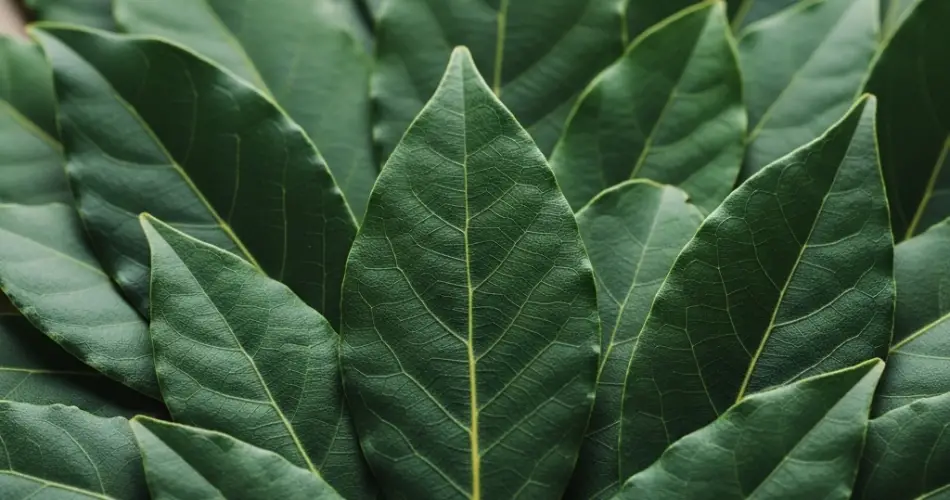
Bay leaves are a staple in kitchens around the world, known for their fragrant aroma and ability to elevate the flavor of soups, stews, and sauces. However, once they’ve served their purpose in a dish, most people toss them into the trash without a second thought. But did you know that bay leaves still have powerful properties even after being used in cooking?
Bay leaves, from the Laurus nobilis plant, are rich in essential oils, natural compounds, and nutrients that can be repurposed in a variety of surprising and useful ways — from improving your health and household to revitalizing your garden. Instead of discarding them, here’s why you should save your used bay leaves and how to make the most of them.
1. Natural Air Freshener and Insect Repellent
Used bay leaves can still release a pleasant aroma, especially when slightly warmed or crushed. They contain volatile oils like eugenol and cineole that act as natural insect repellents.
How to use:
-
As a natural air freshener: Dry the used leaves and place them in small mesh or cotton bags. Place these in drawers, closets, or shoes to keep spaces smelling fresh and free of mustiness.
-
To repel insects: Burn a dried bay leaf or place crushed leaves near windows and doors to deter flies, mosquitoes, and cockroaches.
2. Home Cleaner with Antibacterial Power
Bay leaves have antifungal and antibacterial properties, which make them effective in homemade cleaning sprays. They can be infused into vinegar or water to create a non-toxic solution for household surfaces.
How to prepare:
-
Simmer used bay leaves in water (about 3–4 leaves per liter) for 10–15 minutes.
-
Let it cool, then strain and pour into a spray bottle.
-
Use to clean countertops, tables, kitchen sinks, and even bathroom tiles.
Optional: Add a splash of lemon juice or white vinegar for enhanced cleaning power.
3. Tea Infusion for Health and Digestion
If the bay leaves haven’t been overcooked or heavily seasoned, they can be reused for herbal tea. Bay leaf tea is traditionally used to support digestion, reduce bloating, and improve circulation.
How to brew:
-
Rinse used bay leaves to remove food residue.
-
Boil 2–3 leaves in a cup of water for 5–10 minutes.
-
Strain and sip after meals.
This infusion can help calm the stomach, relieve gas, and may even have mild anti-inflammatory effects.
4. Hair and Skin Benefits
Bay leaf water can be used as a rinse for the hair or as a gentle facial toner due to its antimicrobial and soothing properties.
Hair rinse:
-
Boil a handful of used bay leaves in water, let cool, and strain.
-
Pour over clean hair as a final rinse to help soothe the scalp and reduce dandruff.
Facial toner:
-
Apply cooled bay leaf water to the skin with a cotton pad to reduce acne-causing bacteria and refresh the skin.
5. Bay Leaves in the Garden
Bay leaves can be beneficial for plants and soil when used properly. They contain compounds that help deter pests, enrich compost, and suppress certain soil-borne fungi.
How to use in the garden:
-
Compost: Add dried, crushed bay leaves to your compost pile. They decompose slowly and contribute trace nutrients to the mix.
-
Soil booster: Bury a few used leaves at the base of potted plants or in garden beds to enrich the soil over time.
-
Ant repellent: Scatter bay leaves near anthills or plant bases where ants are active. The smell helps repel them naturally.
6. Aromatherapy and Stress Relief
The aroma of bay leaves has been associated with calming effects on the nervous system. In aromatherapy, they are used to ease anxiety and promote relaxation.
How to use:
-
Place a few used, dry bay leaves in a pot or dish and light them carefully, allowing the smoke to fill the room briefly.
-
Breathe deeply and relax — the subtle fragrance can help reduce tension.
Note: Always ensure proper ventilation when burning bay leaves and never leave them unattended.
Final Thoughts
Bay leaves are far more valuable than just a cooking ingredient. Even after they’ve flavored your food, they can serve a second purpose in your home, health routine, or garden. Whether you use them to freshen your space, repel insects, brew tea, or enrich your plants, bay leaves offer a range of eco-friendly, cost-effective uses.
The next time you finish cooking with bay leaves, think twice before throwing them away. You might be discarding a natural remedy or garden aid that still has plenty to offer.


