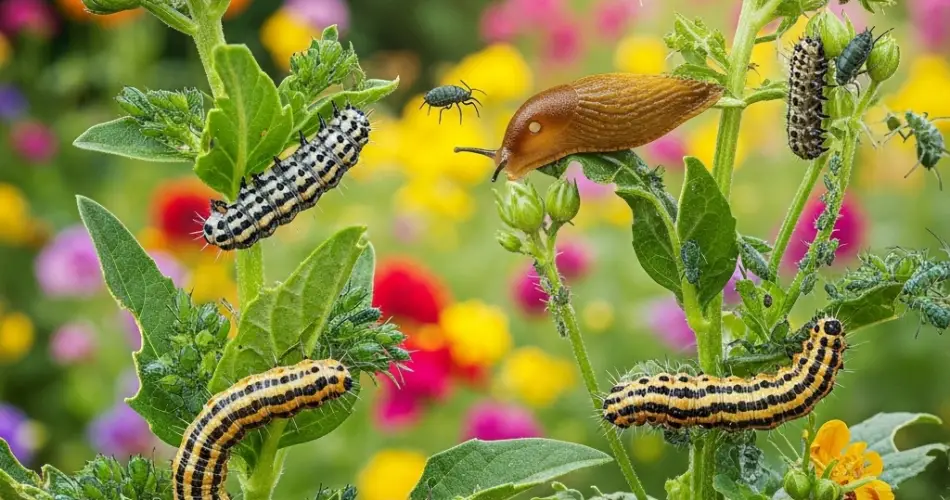
Few things frustrate gardeners more than watching a healthy garden fall victim to pests. Aphids sucking sap from tender shoots, caterpillars devouring leaves overnight, slugs munching on ripening fruit — pests can quickly undo weeks of hard work. While there’s no magic bullet, there is one simple, effective practice that dramatically reduces most common garden pest problems: keeping your garden clean and well-maintained.
Yes, this often-overlooked habit can prevent up to 90% of the pest issues home gardeners face. It’s not about using chemicals or expensive traps — it’s about daily attention, tidiness, and good gardening hygiene.
Let’s explore how this one proactive strategy makes such a massive difference.
Why Garden Cleanliness Is Your First Line of Defense
Many pests thrive in overgrown, neglected, or cluttered garden spaces. Fallen leaves, plant debris, rotting fruits, and tangled weeds provide food, shelter, and breeding grounds for insects, slugs, and even fungal spores.
By maintaining a clean, organized garden, you eliminate the conditions pests love most.
Key benefits of a clean garden:
-
Reduces hiding spots for slugs, beetles, and rodents
-
Minimizes fungal growth and disease transmission
-
Improves airflow, discouraging insects like whiteflies and aphids
-
Makes it easier to spot pest problems early before they spread
Daily and Weekly Habits That Keep Pests Away
You don’t need to spend hours every day. Just a few minutes of regular care can yield major benefits. Here’s how to integrate this routine into your gardening schedule:
1. Remove Dead Leaves and Plant Debris
Pests like earwigs, snails, and caterpillars love to hide in decomposing leaves or under decaying mulch. Clear out:
-
Yellowing leaves
-
Fallen petals and fruits
-
Rotting vegetables or weeds
This small effort goes a long way in reducing food sources for pests.
2. Weed Regularly
Weeds don’t just compete with your plants for nutrients and light — they also serve as pest havens. Aphids, flea beetles, and whiteflies often lay eggs or overwinter on weeds.
Hand-pull or hoe weeds at least once a week to keep them under control.
3. Inspect Your Plants Frequently
Take a quick look at your plants every couple of days, especially under leaves and near the soil line. Early signs of pests include:
-
Holes in leaves
-
Sticky residue (honeydew)
-
Curling foliage
-
Tiny black or green insects
Catching problems early means you can treat them organically without resorting to heavy-duty solutions.
4. Use Clean Tools and Containers
Before planting or transplanting, wash pots, trays, and tools with a vinegar or mild soap solution. Dirty tools can harbor fungal spores, bacteria, and pest eggs.
5. Prune for Airflow
Dense, crowded plants trap humidity and block air circulation — a perfect microclimate for pests and diseases. Trim excess growth and make space between plants so air and sunlight reach all parts.
Bonus Tip: Keep Mulch Fresh
Mulch is great for moisture retention and weed suppression, but old or soggy mulch can shelter slugs, earwigs, and mold. Refresh it periodically, especially in spring and fall.
-
Use organic mulch like straw, wood chips, or shredded leaves.
-
Keep it 2–3 inches thick.
-
Leave a small gap around the plant stem to prevent rot.
Combine Cleanliness with Natural Prevention
A clean garden sets the stage for other natural pest deterrents to work even better. Once your garden is tidy, consider adding:
-
Neem oil or insecticidal soap for soft-bodied pests
-
Companion plants like marigolds or basil to repel bugs
-
Beneficial insects (ladybugs, lacewings) for biological control
Because pests have fewer hiding spots and less food, these gentle measures become much more effective.
What Happens When You Skip This Step?
Neglecting garden hygiene invites trouble. Left unchecked, even small infestations can explode in just a few days. Weedy, overgrown areas become pest magnets, and dead plant matter can become breeding grounds for fungal disease.
Gardeners who don’t practice regular cleanup often find themselves in a never-ending battle with pests — reacting after the damage is done, rather than preventing it in the first place.
Final Thoughts
The idea that a clean garden can eliminate up to 90% of pest problems may sound too good to be true — but it’s proven in practice. Professional growers and seasoned home gardeners agree: prevention is far more effective than chasing pests after they appear.
You don’t need expensive sprays or elaborate setups. You just need a consistent habit of:
-
Tidying up debris
-
Inspecting plants
-
Managing weeds
-
Cleaning tools
-
Refreshing mulch
-
Pruning for airflow
Do this one thing — keep your garden clean — and you’ll find yourself spending less time dealing with pests and more time enjoying healthy, vibrant plants.


