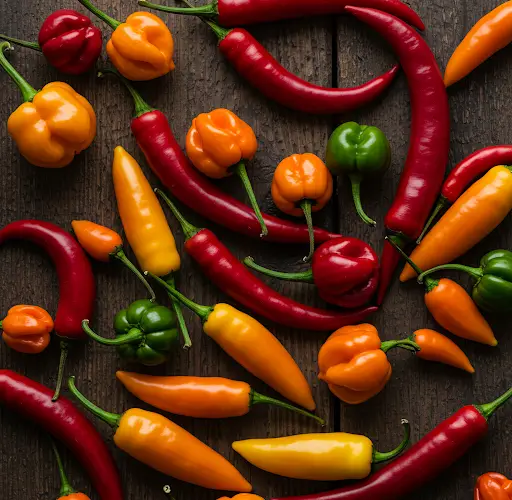
How to Grow an Abundant Harvest of Chili Peppers with Just Three Simple Techniques
Chili peppers are a fantastic addition to any home garden. Whether you’re a seasoned gardener or a beginner, these vibrant, flavorful plants can be quite easy to grow—especially when given the right care. If you’re looking to dramatically boost the yield of your chili pepper plants, you only need to follow three simple yet effective practices. These methods focus on enriching the soil, feeding the plants at the right time, and managing plant structure for maximum fruit production.
1. Enrich the Soil at Transplanting Time
The first and most important step in ensuring a healthy, high-yield chili pepper plant begins at the time of transplanting. When moving seedlings into their permanent location—whether in beds, containers, or grow bags—it is essential to enrich the soil with organic matter.
A two-inch layer of compost or well-decomposed manure added to the planting bed provides a strong nutrient base. For container planting or when soil quality is poor, mix compost and good-quality soil in a 1:1 ratio. This combination greatly enhances soil fertility and structure.
Compost and decomposed manure are excellent sources of slow-release nutrients. They not only provide essential minerals such as nitrogen, phosphorus, and potassium, but they also improve soil texture and moisture retention. This encourages strong root development, better water management, and a healthier environment for beneficial soil organisms. A strong start at this stage sets the foundation for better plant growth and increased fruiting potential throughout the season.
2. Apply a Nitrogen-Rich Liquid Fertilizer After 10 Days
About ten days after transplanting, it’s time to give your chili pepper plants a boost with a homemade, nitrogen-rich liquid fertilizer. Nitrogen is a critical nutrient for young pepper plants as it supports vigorous leaf and stem development, which in turn allows the plant to support more fruit later on.
A simple and effective nitrogen-rich liquid fertilizer can be made using weeds, green leaves, and a small amount of decomposed manure. These ingredients can be soaked in a large bucket—preferably a 5-gallon one—and allowed to ferment for several days. This process breaks down the organic material into a form that plants can easily absorb.
Once the liquid is ready, strain it and dilute it with water to avoid burning the plant roots. Apply it directly to the base of the plants. This homemade fertilizer provides a quick and effective nutrient boost, helping the plants grow faster, develop stronger stems, and prepare for a robust fruiting stage.
Regular application of this fertilizer every two weeks during the vegetative stage can significantly enhance the plant’s overall vigor and productivity.
3. Pinch the Growing Tips to Encourage Bushiness
The third technique is pinching—an often overlooked but extremely effective method to increase chili pepper yields. Pinching refers to the practice of removing the top growing tip of the plant once it reaches about 6 to 8 inches in height.
By removing the apical bud, which is the dominant growing point, you redirect the plant’s energy from vertical growth to lateral growth. This stimulates the development of side shoots and encourages the plant to become bushier. A bushier plant naturally develops more branches, and each branch has the potential to produce flowers and eventually fruits.
This method not only increases the number of fruiting sites but also improves air circulation and sunlight penetration, which are important for disease prevention and overall plant health.
While pinching may seem like a small action, it has a big impact on the final harvest. Plants that are pinched early and allowed to branch out typically yield significantly more chili peppers than unpinched ones.
By integrating these three simple practices—providing rich compost or manure at transplanting, feeding with a nitrogen-rich liquid fertilizer after ten days, and pinching the growing tips—you can dramatically improve the health and yield of your chili pepper plants. These techniques work together to create a nurturing environment where plants thrive and produce an abundance of fruit throughout the growing season.
Whether you’re growing chili peppers for culinary use, pickling, or just the joy of gardening, implementing these methods will help ensure a successful and rewarding harvest.


