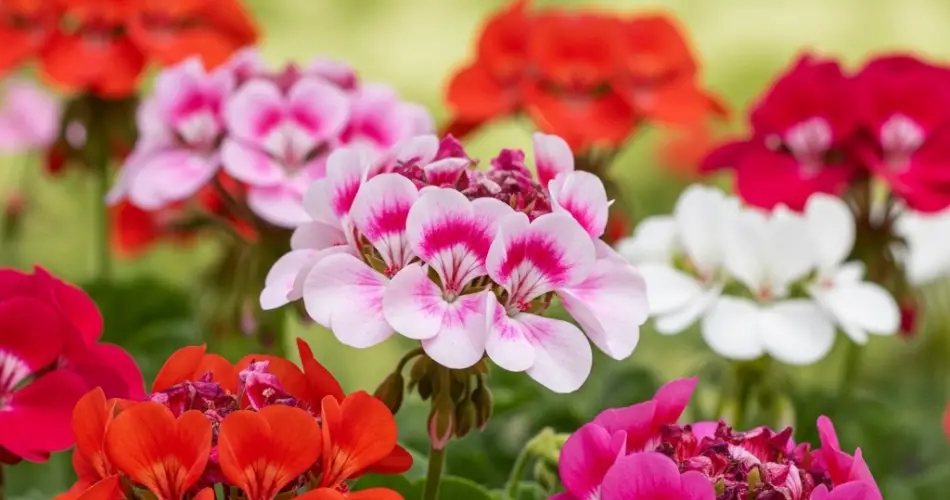
Geraniums are among the most beloved flowering plants in home gardens and on balconies thanks to their long blooming season, minimal care needs, and vibrant colors. But if your geraniums are looking leggy, sparse, or just not blooming as much as they used to, the solution might be as simple as a proper pruning technique.
Learning how to prune your geraniums the right way can dramatically improve their size, shape, and flower production. In this guide, you’ll discover practical steps for pruning geraniums to keep them looking lush, full, and blooming for much longer.
Why You Should Prune Geraniums
Many gardeners avoid pruning because they fear damaging their plants. In reality, pruning is essential to healthy growth and abundant flowering. Here’s why pruning matters:
-
Stimulates new growth: Cutting back old or leggy stems forces the plant to produce fresh shoots and leaves.
-
Encourages bushier shape: Pruning prevents your geranium from becoming tall and thin, helping it grow full and rounded.
-
Extends blooming season: Removing spent flowers and unnecessary stems redirects energy into new buds.
-
Prevents disease: Clearing away dead or moldy growth improves airflow, reducing the risk of fungal infections.
When to Prune Geraniums
Timing is important for pruning geraniums. There are two ideal windows for pruning:
-
Spring (Early Growth Stage): This is the best time to perform a more aggressive prune to shape the plant and promote strong, compact growth before the blooming season starts.
-
Throughout the Growing Season: Light pruning and deadheading can be done regularly from spring through fall to maintain appearance and encourage continued flowering.
-
Late Fall (Optional): In areas with mild winters, pruning can help prepare the plant for dormancy. However, in colder regions, it’s better to bring plants indoors before pruning heavily.
How to Prune Geraniums Step-by-Step
Here is a simple process you can follow:
1. Use Clean, Sharp Tools
Always start with clean pruning shears or scissors. Dirty tools can spread disease from one plant to another.
2. Remove Dead or Dying Material
Start by cutting away any dry, yellow, or decaying leaves and stems. These do not contribute to the plant’s health and only drain energy.
3. Cut Back Leggy Stems
Geraniums often grow long stems that become bare and weak. Cut these back by about one-third, ideally just above a leaf node (the point where a leaf joins the stem). This encourages side shoots and bushier growth.
4. Pinch New Growth Tips
In early stages or on younger plants, pinching the tips of new stems using your fingers can stimulate branching without needing heavy cutting.
5. Deadhead Spent Flowers
Regularly remove faded blooms by pinching or cutting the flower stalk back to the main stem. This helps prevent seed production and encourages more blooms.
6. Shape the Plant
As you prune, step back and look at the shape of your plant. Aim for a symmetrical, rounded form with open space in the center to allow light and air to reach all parts.
Aftercare Tips
Pruning is just one part of helping your geraniums thrive. After pruning, follow these care tips:
-
Water properly: Keep the soil moist but not soggy. Allow the top layer of soil to dry between waterings.
-
Feed regularly: Use a balanced, water-soluble fertilizer every 2–3 weeks during the growing season to support new growth.
-
Provide sunlight: Geraniums love sun! Place them in a spot with at least 5–6 hours of direct sunlight daily.
-
Monitor for pests: After pruning, inspect your plant for signs of aphids, spider mites, or whiteflies. Catching infestations early helps keep your plants healthy.
Propagate While You Prune
Don’t throw away those healthy cuttings! Geraniums are incredibly easy to propagate. Here’s how:
-
Choose cuttings that are 4–6 inches long with a few leaves.
-
Remove the lower leaves and let the cutting dry for a few hours to prevent rot.
-
Plant in moist, well-draining potting mix or place in water until roots appear.
-
Once rooted, transplant into a pot or garden bed.
This is a great way to multiply your plants for free and share with friends.
Final Thoughts
Proper pruning can completely transform the health and appearance of your geraniums. With just a little effort, you’ll encourage fuller plants, more vibrant blooms, and stronger growth. By following the tips above, your geraniums will reward you with a stunning display that lasts all season long.
Whether you grow them in pots, window boxes, or flower beds, don’t overlook this key step in geranium care. Start pruning now—and get ready to enjoy bigger, healthier, and longer-lasting blooms.


