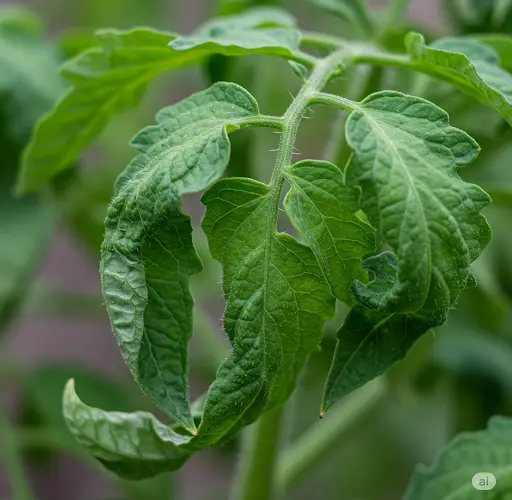
Tomato plants are generally hardy, but sometimes they exhibit signs of stress that leave even experienced gardeners scratching their heads. One of the most common issues is curling leaves. At first glance, curled tomato leaves may look alarming, but the good news is that in most cases, this problem is both easy to identify and simple to fix.
If you’ve noticed your tomato plants with twisted, upward-turned, or inward-folding leaves, don’t panic. Let’s look at the main causes behind leaf curl in tomatoes and how to effectively solve the issue with practical, natural solutions.
Common Causes of Leaf Curl in Tomatoes
Understanding the root cause of leaf curl is key to reversing it. Here are the most frequent culprits:
1. Physiological Leaf Curl (Not a Disease)
This is the most common type of leaf curling and often occurs as a natural response to environmental stressors. It usually starts with the older, lower leaves and is a self-defense mechanism by the plant to reduce moisture loss.
Main triggers include:
-
Heat and intense sunlight
-
Inconsistent watering
-
Strong winds or sudden temperature drops
-
Heavy pruning or transplant stress
✅ Solution:
Ensure your tomato plants receive regular watering—about 1–2 inches per week. Water at the base, early in the morning, to reduce evaporation. Use mulch to regulate soil moisture and temperature. If you’ve pruned heavily, give the plant time to recover, and avoid pruning during heatwaves.
2. Overwatering or Poor Drainage
While under-watering can cause leaf curl, the same is true for overwatering. Tomato roots need air as much as they need moisture. Consistently waterlogged soil leads to root stress and leaf distortion.
✅ Solution:
Always check the soil before watering. Stick your finger about 2–3 cm deep into the soil—if it feels moist, wait a day or two before watering again. Ensure containers and beds have good drainage. Amending the soil with compost or perlite improves airflow and water management.
3. Excessive Nitrogen Fertilization
Too much nitrogen, especially from synthetic fertilizers, promotes rapid leaf and stem growth at the expense of fruit development. This can result in overly lush foliage that curls and folds due to nutrient imbalance.
✅ Solution:
Use a balanced fertilizer with lower nitrogen content and higher phosphorus and potassium during flowering and fruiting stages. Organic options like compost, banana peel tea, or wood ash work well. Avoid overfeeding—more is not always better.
4. Viral Infections
Certain viruses, such as tomato yellow leaf curl virus (TYLCV), can cause upward curling, yellowing, and stunted growth. These are usually spread by whiteflies or aphids.
✅ Solution:
Remove and destroy infected plants to prevent spread. Always inspect new plants before adding them to your garden. Use fine mesh row covers to block insect pests and practice crop rotation. Introduce beneficial insects like ladybugs to control whiteflies naturally.
5. Herbicide Drift
Even if you don’t use herbicides in your garden, wind-blown spray from nearby lawns or agricultural areas can affect your tomato plants. Leaf curling caused by herbicides often includes distorted, strap-like new growth.
✅ Solution:
If you suspect herbicide exposure, water deeply to flush residues from the soil. Shield plants with garden fabric during nearby spraying. Avoid using composted manure or straw that may contain herbicide residues.
How to Prevent Leaf Curl
Once you’ve identified and treated the cause, consider adopting the following practices to prevent leaf curl in the future:
-
Consistent Watering Schedule: Irregular watering is a leading cause of stress. Drip irrigation or soaker hoses help maintain even moisture.
-
Mulching: Apply a 5–7 cm layer of straw, dried grass clippings, or compost to retain moisture and stabilize root temperatures.
-
Balanced Feeding: Choose tomato-specific fertilizers and apply according to instructions. Supplement with organic compost or worm castings.
-
Pest Monitoring: Use sticky traps and check the underside of leaves weekly. Early detection is the best defense against viral vectors like aphids and whiteflies.
-
Smart Pruning: Don’t remove more than 25% of a plant’s foliage at once. Avoid pruning in extreme heat to reduce stress.
When to Worry
In most cases, leaf curling is not fatal and can be reversed. However, if the curling is accompanied by:
-
Yellowing or browning of leaves,
-
Stunted growth,
-
Flower or fruit drop,
-
Strange spots or mottling,
…it may be a sign of a disease or pest infestation that requires closer attention.
Final Thoughts
Tomato leaf curl might seem like a serious issue at first, but it’s usually a manageable sign of environmental stress. With the right watering habits, proper nutrition, and care, your plants can bounce back quickly. Whether it’s heat stress, nutrient imbalance, or even pest problems, a few simple adjustments can restore your tomato plants to full health.
Keep a close eye on your plants, listen to what the leaves are telling you, and take corrective steps early. With a little care and consistency, you’ll be rewarded with strong, healthy plants and an abundant tomato harvest.


