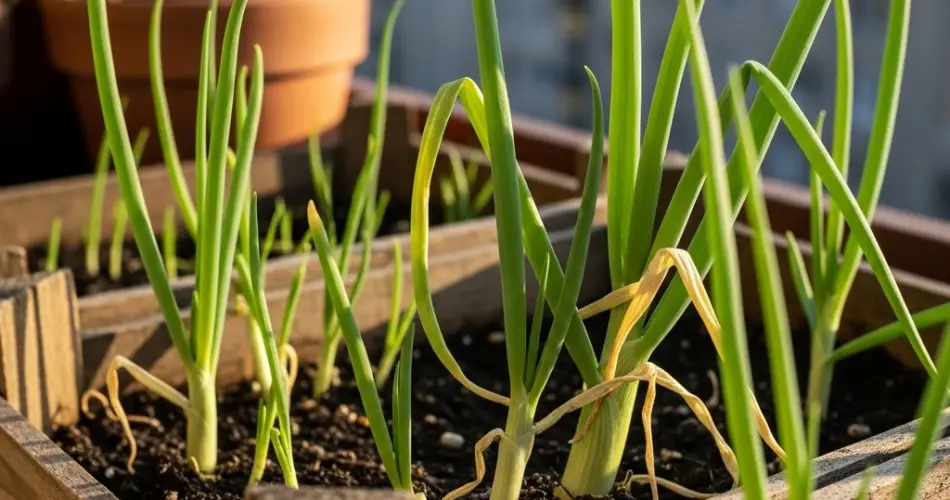
Scallions, also known as green onions or spring onions, are one of the easiest and most rewarding crops to grow in small spaces. With their fast-growing nature and minimal space requirements, scallions are ideal for patios, balconies, and other compact urban settings. Whether you want a steady supply of fresh garnishes or a reliable cooking staple, a DIY scallion garden is a simple and satisfying project to start.
Why Grow Scallions at Home?
Scallions are low-maintenance, quick to mature, and suitable for container growing. They don’t demand deep soil and grow vertically, making them excellent for narrow planters or repurposed containers. In addition to being space-savers, scallions can be harvested multiple times if you regrow them from the roots, giving you a continuous supply with minimal effort.
Choosing Containers for Small Spaces
For small balconies or patios, choose containers that are at least 6 inches deep with good drainage holes. Shallow wooden boxes, recycled plastic tubs, clay pots, or rectangular balcony planters all work well. The key is to avoid overcrowding—each scallion needs just an inch or two of space, so even a modest-sized container can hold a bunch.
If you’re really tight on space, consider using vertical containers or tiered plant stands. Hanging planters or railing boxes can also be excellent space-saving options while adding green accents to your outdoor area.
The Right Soil Mix for Scallions
Scallions prefer loose, well-draining soil rich in organic matter. Use a mix of quality potting soil and compost. Avoid garden soil, which tends to compact in containers. Adding perlite or coarse sand can improve drainage, which is important for preventing root rot.
Before planting, moisten the soil slightly so it’s damp but not soggy. This encourages even germination and healthy root development.
Planting Scallions from Seeds or Scraps
You can grow scallions either from seed or by replanting kitchen scraps. Both methods are beginner-friendly and work well in containers.
-
From Seeds: Sow seeds directly into the soil about ¼ inch deep. Space them 1 inch apart in rows. Gently press the soil over the seeds and mist with water. Seedlings typically emerge in 7 to 14 days.
-
From Kitchen Scraps: Save the white root ends of store-bought scallions. Place them in water for a few days until green shoots begin to grow. Once the roots are a bit longer, transplant them into your container with just the tops exposed above the soil.
You can also mix both methods to get a fast start with scraps and a longer harvest from seed-grown plants.
Ideal Conditions for Balcony Growing
Scallions thrive in full to partial sun. A south- or east-facing balcony that gets at least 4–6 hours of sunlight a day is perfect. In warmer climates, some afternoon shade can help prevent drying out too quickly.
Maintain moderate moisture by watering when the top inch of soil feels dry. Avoid letting the soil dry out completely, especially in shallow containers. Consistent, light watering helps produce crisp and tender shoots.
Feeding and Care
Scallions don’t need heavy feeding. Mix compost into the soil before planting, and apply a diluted liquid fertilizer every two to three weeks if needed. Avoid nitrogen-heavy fertilizers, which may promote floppy growth.
Mulch with a thin layer of straw or chopped leaves to help retain moisture and suppress weeds, especially if your containers are outside and exposed to the elements.
Remove weeds or other competing plants that could crowd out your scallions. They prefer to grow without competition in tight clusters.
Harvesting and Regrowing
Scallions are typically ready to harvest within 6 to 8 weeks from seed, or in as little as 2 to 3 weeks when regrowing from scraps. Use scissors or a knife to cut the green tops just above the white base, leaving the roots intact.
With proper care, scallions will continue to regrow several times. Over time, the regrowth may slow down or become thinner, at which point you can replant new ones for a fresh cycle.
Pest and Disease Management
Scallions are generally pest-resistant but can occasionally suffer from aphids or fungal issues in humid conditions. Use neem oil or insecticidal soap for light infestations. Avoid overwatering and ensure good air circulation to prevent fungal problems.
Rotate your planting every few months if using the same container to keep soil fresh and reduce the risk of disease buildup.
Small-Space Harvest with Big Flavor
Growing scallions on your patio or balcony is a smart way to add flavor and freshness to your meals without needing a large garden. Their upright, slim growth makes them a space-saving superstar in tiny homes and urban apartments. With just a few containers, some compost, and a little sunlight, you can enjoy a steady supply of green onions year-round.
Whether you’re garnishing soups, scrambling eggs, or tossing them into salads, having your own scallion garden means you’ll always have fresh flavor just steps away.


