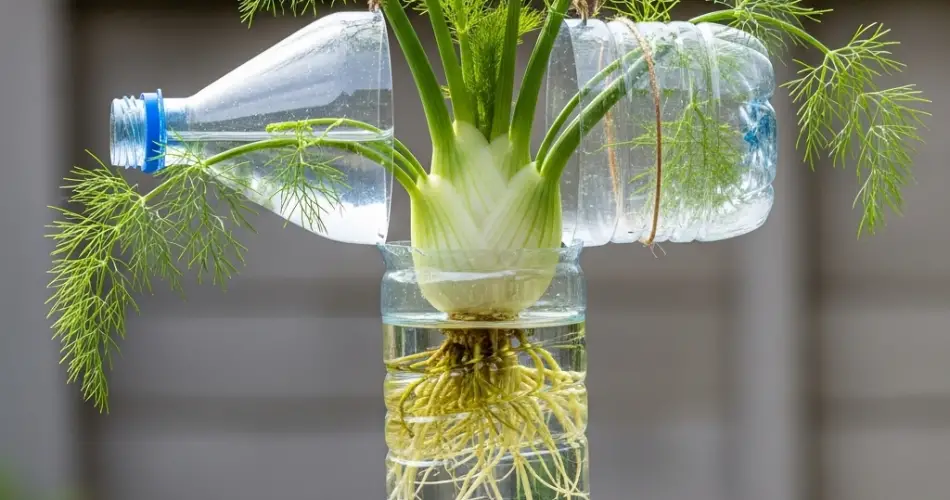
Fennel (Foeniculum vulgare), known for its crunchy bulbs, aromatic fronds, and slightly sweet flavor, is a versatile herb for cooking and garnishing. From soups and salads to roasted dishes and teas, fennel adds both flavor and visual appeal to meals. Growing fennel in containers is an excellent solution for gardeners with limited space, and using recycled bottles on a backyard wall creates a sustainable, space-saving vertical garden.
This DIY fennel bottle garden allows you to maximize vertical space, reduce plastic waste, and enjoy fresh, homegrown fennel year-round. It’s perfect for patios, balconies, and small backyard walls, providing an innovative way to cultivate herbs sustainably.
Selecting Bottles and Preparing the Wall
Plastic bottles of 1–2 liters work best for vertical herb gardens. Wash them thoroughly to remove any residues. Cut an opening on the side or top of each bottle large enough to plant fennel and allow for watering and easy harvesting.
To mount the bottles, use hooks, screws, or attach them to a wooden or metal frame secured to the wall. Ensure the setup can support the weight of soil and water. Arranging bottles in a staggered or grid pattern maximizes light exposure for all plants.
Soil Preparation and Bottle Setup
Fennel thrives in well-draining, fertile soil. Use a high-quality potting mix enriched with organic compost. Avoid dense garden soil, which can compact in bottles and restrict root growth.
Place a layer of small stones or gravel at the bottom of each bottle to improve drainage. Fill the remaining space with prepared potting mix, leaving enough room for fennel roots to grow comfortably. Proper soil preparation is essential for developing healthy bulbs and vibrant fronds.
Planting Fennel
Fennel can be grown from seeds or small nursery plants:
-
From seeds: Sow seeds about 0.5 cm deep, keeping the soil consistently moist until they germinate, typically in 7–14 days.
-
From seedlings: Transplant young fennel plants into bottles, spacing them adequately to prevent overcrowding.
Firm the soil around the roots and water immediately to help the plants establish. Proper planting ensures strong growth and robust flavor.
Watering and Maintenance
Fennel prefers evenly moist soil but does not tolerate standing water. Water the bottle garden when the top 2–3 cm of soil feels dry. Because hanging bottles dry out faster than ground pots, check moisture regularly, particularly during warm weather.
Good drainage is critical to prevent root rot. Occasional misting helps maintain humidity and promotes healthy fronds, especially in dry environments. Avoid overwatering the foliage to reduce the risk of fungal diseases.
Sunlight Requirements
Fennel requires ample sunlight for healthy growth. Place your vertical bottle garden in a location that receives at least 6–8 hours of direct sunlight daily. South- or west-facing walls are ideal.
If natural sunlight is insufficient, supplement with a grow light to ensure strong, upright growth. Adequate light results in firm bulbs, bright green fronds, and the best flavor.
Fertilizing Container Fennel
Container-grown fennel benefits from regular feeding, as nutrients in bottles deplete quickly. Apply a balanced liquid fertilizer every 3–4 weeks or incorporate a slow-release organic fertilizer at planting.
Organic options, such as compost or fish emulsion, encourage robust fronds and flavorful bulbs. Avoid excessive nitrogen, which may cause leafy growth without proper bulb development.
Harvesting Fennel
Fennel bulbs are ready to harvest when they are 7–10 cm in diameter and firm to the touch. Cut the bulb at soil level, leaving the roots in place to encourage regrowth. Feathery fronds can be trimmed continually for culinary use, providing fresh garnish and flavor.
Regular harvesting promotes bushier growth and prevents plants from bolting, ensuring consistent quality and production.
Tips for a Thriving Fennel Wall Garden
-
Rotate bottles occasionally to ensure even sunlight exposure.
-
Remove yellow or damaged leaves to maintain healthy growth.
-
Monitor for pests such as aphids and caterpillars and use natural methods for control.
-
Check the structural stability of the bottle setup regularly to prevent accidents.
Final Thoughts
A DIY fennel bottle garden is an innovative, eco-friendly way to cultivate fresh herbs on a backyard wall. This vertical gardening method saves space, repurposes plastic, and ensures flavorful fennel bulbs and fronds are always within reach.
With well-prepared soil, consistent watering, sufficient sunlight, and regular harvesting, your bottle garden will thrive, providing both culinary delights and decorative greenery. Transform a simple wall into a productive, fragrant, and sustainable herb garden with this easy and practical approach.


