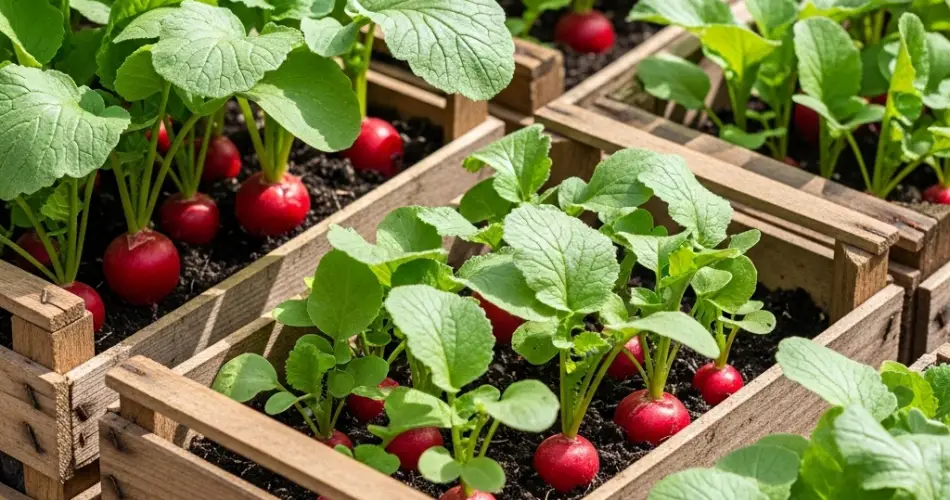
Radishes are one of the fastest vegetables you can grow, going from seed to harvest in as little as three to four weeks. Their crisp texture and peppery bite make them a favorite for salads, snacks, and side dishes. Better yet, they’re incredibly easy to grow in small spaces — especially in crates.
A backyard crate setup gives you complete control over soil conditions, makes planting and harvesting easier, and can be placed wherever sunlight is best. With minimal effort, you can enjoy fresh radishes almost year-round.
Why Grow Radishes in a Crate?
Crates provide a compact, organized growing space with multiple benefits:
-
Space Saving – Perfect for patios, balconies, and small yards.
-
Soil Control – Customize the soil for optimal growth without worrying about poor native soil.
-
Faster Soil Warming – Raised crates warm up quickly, allowing for earlier planting in spring.
-
Mobility – Move the crate to follow sunlight or protect plants from bad weather.
-
Pest Reduction – Raised height can help deter certain ground pests like slugs.
Choosing the Right Crate
Radishes don’t require deep soil, but a well-sized crate will make a big difference in yield.
-
Depth – 8–10 inches is enough for most varieties; larger types like daikon need 12–14 inches.
-
Width – At least 18 inches wide to fit multiple rows.
-
Material – Use untreated wood like cedar or pine to avoid harmful chemicals.
-
Drainage – Drill several holes in the bottom to let excess water escape.
-
Lining – Use breathable fabric such as burlap or landscape cloth to keep soil in place without blocking drainage.
Preparing the Soil
Radishes grow best in loose, well-draining soil. Heavy clay can stunt or deform roots, so it’s important to prepare a light, friable mix.
Ideal crate soil blend:
-
50% quality garden soil or loam
-
30% compost (well-aged to avoid burning seedlings)
-
20% coarse sand or perlite for aeration
Aim for a soil pH between 6.0 and 7.0. Avoid overly nitrogen-rich soil, which promotes leafy growth at the expense of root size.
Selecting Radish Varieties
Some radishes are better suited for crate growing than others:
-
Cherry Belle – Fast-maturing, round, and crisp.
-
French Breakfast – Oblong with mild heat and tender texture.
-
Easter Egg – Colorful mix for visual appeal.
-
Daikon – Milder flavor; requires deeper crates.
Choose varieties according to your taste preferences and crate size.
Planting Your Radishes
-
Direct Sowing – Radishes don’t transplant well, so sow seeds directly into the crate.
-
Depth and Spacing – Plant seeds about ½ inch deep, spacing them 1 inch apart. Space rows 4–6 inches apart.
-
Succession Planting – Sow new seeds every 1–2 weeks to ensure a steady supply of radishes.
Care and Maintenance
-
Watering – Keep soil evenly moist to prevent splitting or woody texture. Water when the top inch of soil begins to dry out.
-
Thinning – When seedlings reach 2 inches tall, thin them to 2 inches apart to allow proper root development.
-
Weeding – Remove weeds promptly so they don’t compete with radishes for nutrients.
-
Mulching – Use a thin mulch layer to retain moisture and keep roots cool in warmer months.
Common Issues and Solutions
-
Pithy Roots – Caused by leaving radishes in the soil too long or inconsistent watering.
-
Bolting – Hot weather or stress can cause radishes to flower prematurely; plant in cooler seasons and keep soil moist.
-
Root Maggots – Use fine mesh row covers to protect young plants from pests.
Harvesting Radishes
Radishes mature quickly — most small types are ready in 20–30 days. Gently brush back soil at the base to check root size.
-
When to Harvest – Pull when roots are about 1 inch in diameter for the best flavor and texture.
-
How to Harvest – Loosen the soil and pull gently by the greens to avoid breaking the root.
-
Post-Harvest – Wash immediately, and store greens separately to keep roots crisp.
Enjoying Your Radish Harvest
Radishes can be eaten fresh in salads, pickled for tangy snacks, or roasted for a milder flavor. The greens are edible too, with a peppery bite perfect for sautés or pestos.
Because they grow so quickly, radishes are perfect for filling gaps in your gardening schedule — you can plant them between slower-growing crops or keep a crate dedicated solely to quick harvests.
From Seed to Salad in Weeks
Growing radishes in backyard crates is one of the simplest ways to enjoy fresh, homegrown vegetables. With just a small investment of time and materials, you can harvest crisp, flavorful radishes in under a month.
This method offers complete control over soil, reduces pests, and makes gardening accessible even in tight spaces. Once you try crate-grown radishes, you might find them becoming a constant feature in your garden — a quick, tasty crop from seed to table.


