If you’ve ever had to deal with a slow-draining or completely clogged sink, you know how frustrating it can be. Whether it’s in the kitchen or the bathroom, a blocked drain always seems to happen at the worst possible moment — and the smell or standing water can make the situation even worse. But before you call the plumber or reach for harsh chemicals, there’s a surprisingly simple trick you can try: dish soap.
Yes, that same bottle of dishwashing liquid sitting next to your sink can actually help you dissolve grease, loosen buildup, and get the water flowing freely again. It’s a method professional plumbers often use as a first step — and it’s safer, cheaper, and better for your pipes than most commercial drain cleaners.
Here’s how it works and how to do it correctly.
Why Your Sink Gets Clogged
Sink clogs are one of the most common household plumbing issues. The cause depends on the room:
-
In the kitchen, the main culprits are usually grease, food scraps, and dish soap residue. Over time, fats and oils congeal inside the pipes, forming a sticky buildup that traps more debris.
-
In the bathroom, clogs are typically caused by hair, soap scum, toothpaste, and sometimes small objects that accidentally fall into the drain.
When enough material accumulates, water begins to drain slowly — or not at all. If the blockage is minor, you can often fix it yourself. If the problem is more severe, you might need to call a professional. But before spending money on a plumber, try this simple dish soap trick that’s effective in many cases.
Step One: Start with Hot Water
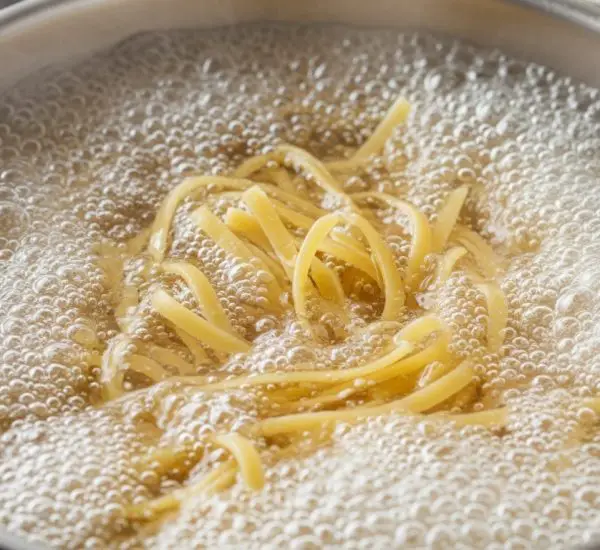
The first and most important step in unclogging a sink is using hot water. But not just hot tap water — you need boiling water. The water that comes out of your faucet usually reaches around 60–70°C (140–160°F), which isn’t enough to fully dissolve grease or soften soap buildup. Boiling water, however, can reach over 100°C (212°F) and has the power to break down hardened fats and loosen debris.
Here’s what to do:
-
Boil a large pot of water.
-
Slowly pour the boiling water down the drain in stages — a few seconds at a time.
-
Wait for a minute or two to let the heat penetrate the blockage.
In many cases, this step alone may restore water flow, especially if the clog is caused by grease or soap scum. But if the problem persists, it’s time for the next ingredient: dish soap.
Step Two: Add Dish Soap to the Drain
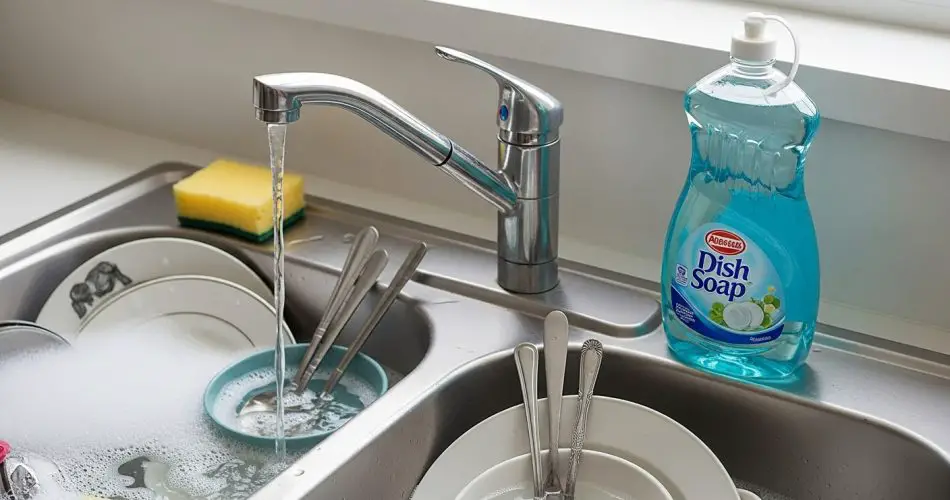
Dish soap isn’t just for cleaning plates — it’s also an excellent degreaser. Its formulation is designed to cut through oil and fat molecules, which makes it perfect for dissolving the greasy residues that often cause kitchen sink clogs.
Here’s the simple plumber-approved method:
-
Pour about half a cup of dish soap directly into the drain.
-
Let it sit for a few minutes so it can coat the sides of the pipes.
-
Then pour in another round of boiling water — slowly and carefully.
The combination of heat and soap will begin to break down fatty deposits, allowing the blockage to move through the pipes. If you notice the water starting to drain, repeat the process one more time to clear out any remaining residue.
This trick works best for mild to moderate clogs. If the drain is completely blocked and water won’t move at all, you may need to use a plunger first to help dislodge the blockage.
Step Three: Try Natural Alternatives for Stubborn Clogs
If dish soap and hot water alone don’t do the job, you can boost your cleaning power with a few other household ingredients — all natural and safe for your plumbing.
1. Baking Soda, Vinegar, and Salt
This classic combination can work wonders. Mix together:
-
½ cup of baking soda
-
½ cup of vinegar
-
½ cup of salt
Pour the mixture down the drain, and let it sit for about 30 minutes. The reaction between vinegar and baking soda creates fizzing bubbles that help loosen grime and organic material. After half an hour, flush with a full pot of boiling water. You’ll often hear a gurgling sound — a good sign that the clog is breaking up.
2. Baking Soda and Hydrogen Peroxide
Another effective remedy involves combining ½ cup of baking soda with ½ cup of hydrogen peroxide. Pour it down the drain and let it sit for 30 minutes. Then, as always, rinse with boiling water. The peroxide helps disinfect and remove odors while the baking soda acts as a mild abrasive.
Important Warning: Avoid Chemical Drain Cleaners
While it might be tempting to use store-bought chemical cleaners when nothing else seems to work, these products can cause serious damage. Most contain sodium hydroxide (caustic soda) or other corrosive ingredients that can eat through PVC or metal pipes over time. They also release harmful fumes that are unsafe to inhale and can burn your skin if they splash.
Even worse, if you later decide to call a plumber, residual chemicals in your pipes can create a hazardous situation for anyone handling your plumbing.
If natural methods fail and the water still won’t drain, that’s a sign the blockage is deeper in the plumbing system. In that case, it’s best to call a professional plumber rather than risk damaging your pipes.
Bonus Tip: Keep Your Drains Flowing Smoothly
Once you’ve cleared the clog, you can prevent future blockages by taking a few simple precautions:
-
Never pour grease or oil down the drain. Wipe pans with a paper towel before washing them.
-
Use a drain strainer to catch food scraps and hair before they go down the pipe.
-
Flush your drain regularly with boiling water and a small amount of dish soap to dissolve early buildup.
-
Once a month, pour half a cup of baking soda followed by half a cup of vinegar into the drain to keep it clean and odor-free.
These easy maintenance steps can save you from major plumbing issues later on.
The Takeaway
The next time your sink is clogged, don’t panic — and definitely don’t rush to buy harsh chemicals. Start simple: grab your dish soap and a pot of boiling water. This plumber-approved method is effective, inexpensive, and eco-friendly.
It’s one of those household tricks that works so well you’ll wonder why you ever bought commercial drain cleaners in the first place. With just a few everyday ingredients and a little patience, you can keep your pipes clear, your sink fresh, and your plumbing system in perfect working order — all without calling in the pros.