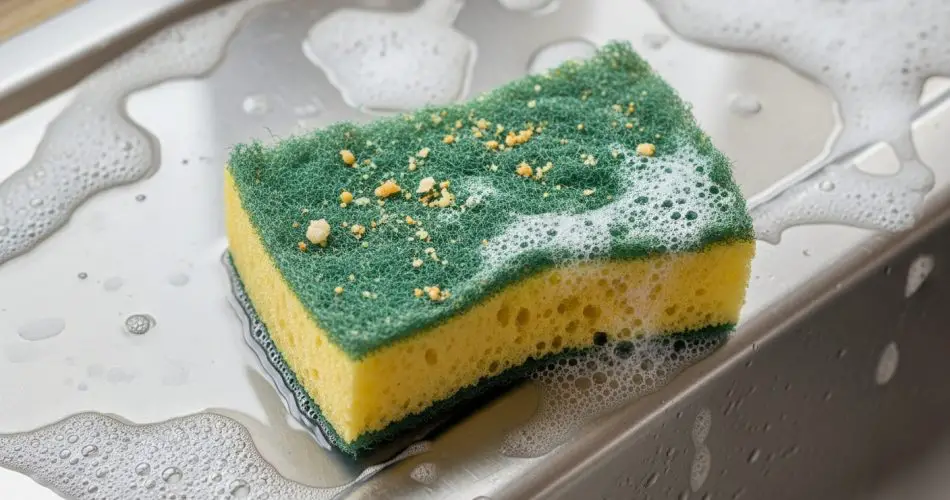

When it comes to maintaining cleanliness in the kitchen, one of the most overlooked sources of contamination is the humble dish sponge. This everyday cleaning tool, essential for washing plates and surfaces, can easily become a breeding ground for bacteria if not sanitized correctly. While most people believe that rinsing the sponge with soap and water is enough, scientific research has shown that this simple action doesn’t truly eliminate harmful microorganisms—it only removes them temporarily.
The Dirty Truth About Kitchen Sponges
Studies conducted in laboratories have revealed an alarming fact: kitchen sponges often contain the same bacteria found in human feces. This includes dangerous microorganisms such as Staphylococcus aureus, Escherichia coli (E. coli), and Salmonella—all of which can pose serious health risks, especially for individuals with weakened immune systems.
If your sponge emits a bad odor, that’s often a clear warning sign of bacterial growth. The unpleasant smell comes from colonies of microbes that thrive inside the porous structure of the sponge, feeding on leftover food particles and moisture. The damp environment of a kitchen sponge is the perfect habitat for bacteria to multiply rapidly.
It may sound paradoxical, but cleaning tools like dish sponges—designed to promote hygiene—can actually become one of the dirtiest items in your home if neglected. Regular cleaning and proper sanitization are therefore essential to prevent them from spreading bacteria onto dishes, countertops, and other kitchen surfaces.
Why Bacteria Thrive in Sponges
Sponges are particularly prone to bacterial growth due to their structure and constant exposure to food debris, grease, and moisture. After washing dishes, most people leave the sponge wet in the sink or on the counter. The combination of warmth, humidity, and organic residue creates the perfect conditions for bacterial colonies to flourish within just a few hours.
Even if you rinse the sponge with soap and water, most bacteria remain intact. Regular detergent cannot kill them—it simply dislodges some temporarily. Without proper disinfection, these microorganisms quickly return and multiply again.
How Often Should You Clean or Replace Your Sponge?
Experts recommend sanitizing your dish sponge at least once a week, although in households where it’s used frequently, doing so every few days is even better. If the sponge is worn, damaged, or has an unpleasant odor that doesn’t disappear after cleaning, it should be replaced immediately.
Many people underestimate how quickly sponges deteriorate. A fresh, soft sponge is far less likely to harbor bacteria than one that has already lost its structure and elasticity. It’s better to replace sponges regularly than to risk food contamination.
The Correct Way to Sanitize a Kitchen Sponge
There are several natural, effective ways to disinfect your sponge and eliminate both bacteria and odors without relying on harsh or polluting chemicals.
1. Salt, Hot Water, and Baking Soda Solution
Start by removing any visible food residues from the sponge. Then, in a bowl, prepare a solution using hot water, coarse salt, and baking soda. Immerse the sponge and let it soak for at least 20 minutes. This combination not only removes grease but also helps neutralize bacteria naturally.
2. Cold Water, Salt, and Vinegar
If the goal is to eliminate unpleasant odors, opt for a cold-water mixture instead. Hot water tends to fix odors rather than remove them. Mix cold water with salt and a generous amount of white vinegar, then let the sponge soak for 15–20 minutes. This will leave it deodorized and refreshed.
3. Tea Tree Oil or Hydrogen Peroxide for Mold
If mold is present, add about ten drops of tea tree essential oil to your cleaning solution. Tea tree oil has natural antibacterial and antifungal properties that make it highly effective. Alternatively, mix equal parts hydrogen peroxide and warm water, soak the sponge, and then rinse thoroughly.
4. Dishwasher Sanitization
Another practical option is to wash sponges in the dishwasher. Place them on the top rack along with your dishes, and run a full hot cycle. The combination of heat and detergent will effectively sanitize them.
5. Avoid Bleach
While bleach can kill bacteria, it’s not recommended for cleaning sponges because of its strong odor, toxicity, and environmental impact. Natural alternatives like vinegar or baking soda are much safer and equally effective for household use.
Tips for Preventing Cross-Contamination
To minimize the risk of spreading germs, it’s a good practice to use separate sponges for different cleaning tasks. For example, designate one color for washing dishes, another for wiping counters, and a third for cleaning other surfaces. This helps avoid transferring bacteria from one area to another.
After cleaning, always rinse the sponge thoroughly, squeeze out excess water, and let it dry completely in the open air. Never leave it damp in the sink, as this encourages bacterial growth. Whenever possible, let your sponge dry under direct sunlight—the ultraviolet rays act as a natural disinfectant.
Keeping Your Kitchen Truly Clean
Maintaining hygiene in the kitchen isn’t just about wiping surfaces—it’s about ensuring that the cleaning tools themselves are safe and sanitary. A dirty sponge can undo all your efforts, spreading germs back onto dishes and counters that you’ve just cleaned.
By adopting simple habits—like disinfecting sponges weekly, replacing them regularly, and letting them dry properly—you can drastically reduce bacterial contamination in your kitchen.
The next time you reach for your dish sponge, remember: it’s not just about keeping your dishes clean, but about keeping your entire kitchen a healthy, bacteria-free environment.