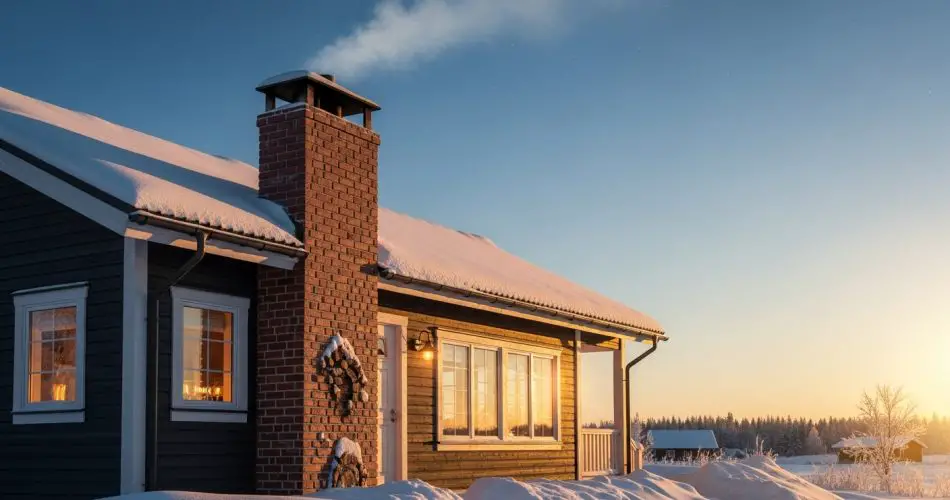

When winter arrives, few things compare to the comfort and warmth of a crackling fireplace. However, maintaining your chimney is not just about keeping it functional—it’s also about keeping it safe. One of the most common and serious problems that can affect a fireplace system is the buildup of tar, also known as creosote, inside the chimney. This dark, sticky substance can reduce the performance of your fireplace, create unpleasant odors, and even pose a serious fire hazard. Luckily, with proper care and prevention, this issue can be managed effectively. Here’s everything you need to know about preventing and removing tar buildup in your chimney.
Understanding the Problem: Why Tar Forms in the Chimney
Tar or creosote forms as a result of incomplete combustion of wood or other organic materials. When smoke rises through a cool chimney, condensation occurs on the inner walls, creating a sticky residue that gradually builds up. Over time, this residue thickens, forming layers of tar that are not only difficult to remove but also highly flammable.
Several factors contribute to this problem:
-
Burning unseasoned or damp wood: Wet wood produces more smoke and less heat, encouraging the formation of creosote.
-
Poor ventilation: When airflow is restricted, the fire burns less efficiently, generating more unburned particles.
-
Low chimney temperature: If the chimney doesn’t heat up quickly, condensation forms inside it, allowing creosote to develop.
-
Using paper or cardboard to light the fire: This common mistake increases the amount of soot and smoke produced, accelerating tar buildup.
The key to preventing this dangerous substance from forming lies in understanding how your fireplace works and taking the right precautions.
Why You Should Never Ignore Chimney Tar
Ignoring chimney tar can lead to serious consequences. The accumulation of creosote reduces the draft inside the flue, making it harder for smoke to escape. This not only causes your fire to burn poorly but also sends dangerous gases, such as carbon monoxide, back into your living space. Even more concerning is the risk of a chimney fire. When thick layers of tar ignite, they can cause intense fires that spread rapidly through the chimney and into the roof structure.
Aside from the safety concerns, tar buildup also compromises the efficiency of your fireplace. It forces you to burn more wood to achieve the same level of warmth, increases maintenance costs, and shortens the lifespan of your chimney system. That’s why regular inspection and cleaning are crucial.
Proper Chimney Care: The Importance of Maintenance
Taking care of your chimney is not an occasional task but a regular part of home maintenance. Experts recommend that chimneys be inspected and cleaned at least once a year—preferably before the start of the heating season. A certified chimney sweep can identify early signs of buildup or damage and prevent bigger problems from developing later.
Professional maintenance involves:
-
Inspection of the flue and inner lining to detect cracks or blockages.
-
Mechanical brushing and vacuuming to remove soot and tar deposits.
-
Checking the chimney cap and venting system to ensure proper airflow.
-
Thermal inspection to assess how effectively your chimney handles heat.
Remember: DIY cleaning of chimney tar is not advisable. The work often requires climbing onto rooftops and using specialized tools—tasks that are risky without proper training and equipment. Always leave this type of maintenance to qualified professionals.
How to Prevent Tar Formation in the First Place
While professionals should handle the removal of existing tar, homeowners can take several steps to prevent its formation.
-
Light the fire correctly: When you light your fireplace, aim to get it burning hot as quickly as possible. A fast and hot start warms the chimney, minimizing condensation that leads to tar.
-
Avoid using paper or cardboard: Though it might seem harmless, using newspaper or boxes to start a fire generates excessive smoke and soot. Instead, use firelighters or products like “diavolina” cubes, which ignite easily and burn cleanly without producing creosote.
-
Use dry, seasoned wood: Wood that has been properly dried for at least six months burns hotter and cleaner. You can check if your firewood is ready by knocking two logs together—if they make a sharp, hollow sound, they’re dry.
-
Keep the airflow open: Make sure your fireplace and flue are not blocked, and allow enough oxygen for complete combustion. Fires that smolder or burn too slowly produce far more tar than vigorous ones.
-
Perform regular mini-cleanings: Between professional visits, you can gently brush the inner section of the stove pipe or use chimney-cleaning logs, which help loosen small deposits.
-
Monitor the color of the smoke: Thick or dark smoke from the chimney indicates incomplete combustion—an early warning sign that tar may be forming inside.
By applying these small but consistent practices, you can dramatically extend the lifespan of your chimney and maintain a safe and efficient heating system.
When to Call the Professionals
If you notice strong smoky odors, poor draft, or black tar dripping inside the fireplace, don’t wait to act. These are signs that your chimney needs immediate attention. A professional chimney sweep will carry out an inspection—often using cameras to look inside the flue—and determine how extensive the buildup is. They’ll then use rotary brushes, vacuums, and specialized chemical cleaners to safely remove creosote and restore proper airflow.
These jobs are usually performed from the roof down, which makes them inherently dangerous for untrained individuals. That’s why it’s essential to rely on experts who are equipped with the right safety gear and tools.
Final Thoughts
A fireplace brings warmth, beauty, and charm to any home—but it also comes with responsibilities. Tar buildup in your chimney is more than just a maintenance issue; it’s a safety hazard that should never be overlooked. By combining regular professional inspections with simple preventive habits—like burning the right wood and ensuring proper ventilation—you can keep your fireplace working efficiently and safely for years to come.
Taking the time to care for your chimney means more comfort, less risk, and a home that remains cozy and secure throughout every winter season.