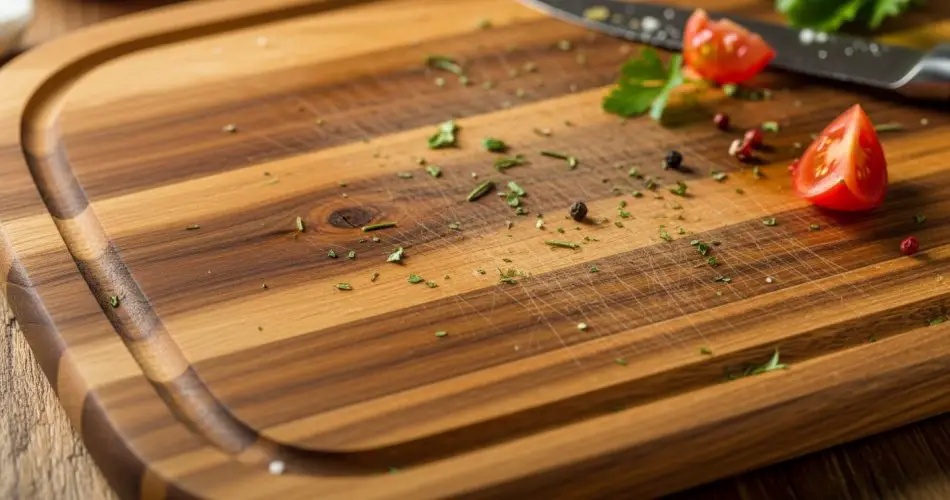

Cutting boards are among the most frequently used kitchen tools. Whether you’re slicing vegetables, chopping fruits, or preparing meat, they serve as a protective surface that keeps your countertops and tables safe from knife damage. However, with time and regular use, plastic cutting boards start to show signs of wear — deep knife marks, stubborn stains, and even unpleasant odors. No matter how often you wash them, they can still look old, scratched, and unsanitary.
Butchers, who handle cutting boards daily, have shared a tried-and-true method that not only restores their boards’ appearance but also ensures complete hygiene. Their secret? A simple combination of natural, inexpensive ingredients that you already have in your kitchen.
Why Cutting Boards Become Unsanitary
Over time, every cut made with a knife leaves small grooves in the plastic surface of your board. These tiny crevices trap food particles, grease, and moisture, creating the perfect environment for bacteria and mold to thrive. Even after washing with soap and water, microbes can remain hidden deep within these grooves.
This is particularly concerning when the same cutting board is used for raw meat, vegetables, and other foods — increasing the risk of cross-contamination. That’s why professional butchers, who work in environments where cleanliness is non-negotiable, are meticulous about cleaning and disinfecting their cutting boards.
Luckily, their cleaning method doesn’t require harsh chemicals or specialized cleaning products. Instead, it relies on a few natural staples known for their disinfecting and whitening power: baking soda, white vinegar, and lemon.
The Butchers’ Secret Cleaning Method
Here’s the step-by-step process used by professionals to deep-clean plastic cutting boards and make them look as good as new.
Step 1: Gather Your Ingredients
You’ll need:
-
2 teaspoons of baking soda
-
1 fresh lemon
-
White vinegar
-
A scrubbing sponge or brush
All of these ingredients are common household staples. They’re affordable, safe for food contact surfaces, and eco-friendly — making them ideal alternatives to chemical cleaners.
Step 2: Apply Baking Soda
Start by sprinkling about two teaspoons of baking soda evenly over the surface of your cutting board. Baking soda acts as a natural abrasive and deodorizer. It helps lift stains, neutralize odors, and prepare the surface for deeper cleaning.
Step 3: Scrub with Lemon
Cut the lemon in half and use one half as a natural scrubbing tool. Rub it firmly across the surface of the board, pressing down as you go. The lemon juice reacts with the baking soda, producing a gentle fizzing action that helps lift grime and kill bacteria.
This step is crucial because lemon juice contains citric acid — a natural disinfectant that eliminates germs and leaves a fresh scent. As you scrub, pay extra attention to areas with deep cuts or discoloration.
Step 4: Add More Baking Soda and Pour Vinegar
Once you’ve scrubbed the entire board with lemon, sprinkle another thin layer of baking soda on top. Then slowly pour a small amount of white vinegar over it.
You’ll immediately see a chemical reaction — bubbling and fizzing — which is the combination of baking soda (a base) and vinegar (an acid). This reaction helps loosen dirt, dissolve tough stains, and disinfect the surface. Let the mixture sit for about 5 minutes to allow it to work effectively.
After the reaction has settled, scrub the board once again using your sponge or brush. Rinse thoroughly with hot running water to remove all residue. When you’re done, your cutting board will look noticeably cleaner, brighter, and fresher — almost like new.
Bonus Tip: Use Hydrogen Peroxide for Extra Cleaning Power
If your cutting board is particularly stained or if you want to ensure the highest level of disinfection, butchers recommend an additional step — using hydrogen peroxide.
Hydrogen peroxide is a powerful disinfectant that eliminates bacteria, mold, and mildew without leaving toxic residues. It’s especially effective if your board has been used for raw meat or fish.
To use it, pour a small amount (about one tablespoon) directly onto the cutting board and spread it evenly. Let it sit for about 10 minutes, then rinse thoroughly with water. Always make sure to rinse well, as leftover peroxide can cause an unpleasant taste on food if not fully removed.
What About Wooden or Glass Cutting Boards?
This method isn’t limited to plastic boards. It works surprisingly well for wooden and glass cutting boards too — with a few small adjustments.
For wooden boards, it’s best to avoid soaking them in vinegar or hydrogen peroxide for long periods, as moisture can warp the wood. Instead, focus on scrubbing them with the baking soda and lemon mixture and then wiping them clean with a damp cloth. Finish by applying a small amount of mineral oil or food-grade oil to restore the wood’s natural shine and prevent cracking.
For glass cutting boards, the same ingredients work wonders to remove stubborn food stains and water spots. The natural acids in lemon and vinegar cut through grease and leave the surface sparkling clean.
A Natural Alternative to Throwing Away Old Cutting Boards
Many people throw out their cutting boards once they start looking dull or stained, assuming they’re beyond saving. But before you do that, try this natural restoration method.
With just a few minutes of effort and some pantry staples, you can breathe new life into your kitchen tools. The combination of baking soda, lemon, vinegar, and (optionally) hydrogen peroxide not only cleans and disinfects your cutting boards but also helps eliminate odors and prevent bacterial buildup.
So the next time your cutting board looks worn out or smells unpleasant, don’t rush to replace it. Instead, follow the butchers’ method — it’s inexpensive, eco-friendly, and incredibly effective.
Your cutting boards will look brand new, your kitchen will smell fresh, and you’ll have peace of mind knowing that your food preparation surfaces are perfectly clean and safe.