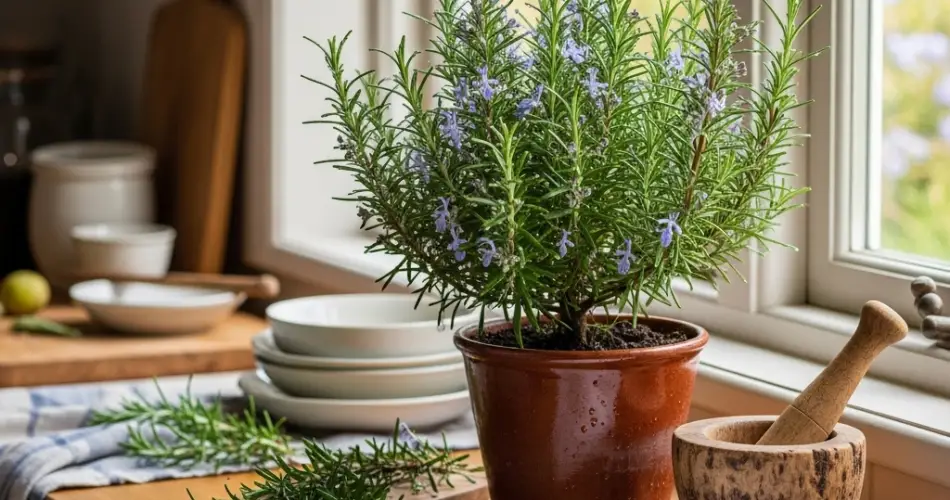
Rosemary is one of the most versatile and aromatic herbs you can grow at home. Known for its woody stems and fragrant needle-like leaves, it is a staple in Mediterranean cuisine and is valued for its earthy, pine-like flavor. Whether you’re roasting potatoes, grilling meats, or brewing an herbal tea, fresh rosemary adds a distinct depth to your cooking that dried leaves simply can’t match. The best part is that you don’t need a garden or outdoor space to enjoy this herb—rosemary can thrive right in your kitchen with just a little care and attention.
Why Grow Rosemary Indoors
Growing rosemary indoors is convenient, sustainable, and cost-effective. Instead of buying small sprigs from the store, you’ll have a constant supply of fresh leaves right at your fingertips. Indoor rosemary not only enhances your dishes but also brings a refreshing fragrance to your kitchen. As an evergreen perennial, rosemary grows year-round, meaning you’ll never run out of fresh herbs even during colder months.
In addition to culinary uses, rosemary has a long history of being used in herbal remedies and aromatherapy. Its scent can invigorate your senses and even help improve focus. Cultivating rosemary indoors is not only a culinary advantage but also a way to bring more greenery and freshness into your living space.
Choosing the Right Variety
While many rosemary varieties exist, some are better suited for container and indoor growth. Compact varieties such as ‘Blue Boy,’ ‘Salem,’ and ‘Tuscan Blue’ are particularly good for kitchen pots. These grow well in small spaces without becoming too woody or overbearing. Selecting the right variety ensures that your rosemary adapts to limited light and container living while still producing flavorful leaves.
Best Location for Rosemary Indoors
Rosemary loves the sun and thrives with at least 6–8 hours of direct sunlight daily. Place your pot on a south-facing windowsill where it can soak up the sun. If your kitchen doesn’t get enough natural light, supplement with a grow light to mimic sunlight. Position the lamp about 6–12 inches above the plant and keep it on for 12–14 hours a day.
Air circulation is equally important. Rosemary doesn’t like humid, stagnant air, so make sure your kitchen has good ventilation. A small fan can help prevent mildew and keep the plant healthy.
Choosing the Right Container and Soil
Rosemary prefers slightly tight roots but needs proper drainage to prevent rot. Choose a terracotta or ceramic pot with drainage holes to allow excess water to escape. Terracotta is especially helpful as it allows the soil to breathe and prevents waterlogging.
When it comes to soil, rosemary thrives in a well-draining mix. A blend of potting soil mixed with sand or perlite works best. Avoid heavy, water-retentive soils that stay soggy, as rosemary’s roots are sensitive to excess moisture. The goal is to replicate its natural Mediterranean environment, where the soil is dry and sandy.
Watering and Feeding Rosemary
One of the biggest mistakes in caring for rosemary indoors is overwatering. Rosemary prefers its soil on the drier side. Water only when the top 1–2 inches of soil feels dry, and let the pot drain completely. Sitting in water can quickly lead to root rot.
Feeding rosemary is relatively simple. Use a diluted liquid fertilizer or organic compost tea once a month during the growing season. Avoid over-fertilizing, as too many nutrients can reduce the intensity of the herb’s natural flavor.
Pruning and Harvesting Rosemary
Regular pruning not only gives you fresh sprigs for cooking but also keeps the plant healthy and bushy. Trim the top portions of the plant, cutting just above a leaf node to encourage new growth. Avoid harvesting more than one-third of the plant at a time, especially while it’s still establishing itself.
Fresh rosemary sprigs can be added directly to roasts, breads, marinades, soups, and teas. You can also strip the leaves off and chop them finely for seasoning vegetables or sauces. The woody stems can even be used as skewers for grilling, infusing meats and vegetables with flavor.
Preserving Extra Rosemary
If your rosemary produces more than you can use, it’s easy to preserve the surplus. Drying is the most common method—simply hang sprigs upside down in a dry, well-ventilated area until the leaves are crisp. Store the dried leaves in an airtight jar for later use. Freezing is another option; place whole sprigs in freezer bags or chop the leaves and freeze them in ice cube trays with olive oil for ready-to-use seasoning cubes.
Common Indoor Rosemary Challenges
While rosemary is hardy, it can sometimes struggle indoors. Watch out for powdery mildew, a common fungal issue caused by poor air circulation and excess humidity. Ensuring proper airflow and avoiding overwatering helps prevent this. If the leaves turn yellow, it’s usually a sign of too much water or poor drainage.
Enjoying Rosemary Year-Round
Growing rosemary indoors ensures you always have fresh, flavorful herbs at hand. With proper light, well-draining soil, and careful watering, this resilient plant can thrive in your kitchen year-round. Beyond cooking, rosemary also contributes to a greener, more fragrant living space, making it both practical and enjoyable to grow.
By following these simple steps, you can cultivate a healthy rosemary plant that enhances your meals and brightens your kitchen.


