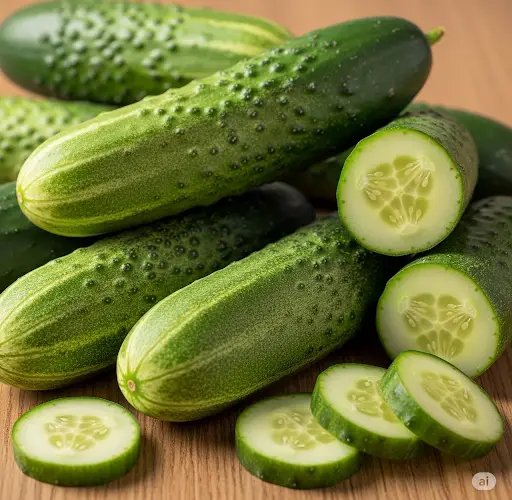
Cucumbers are one of the most rewarding crops to grow in the garden. With proper care, they produce abundantly and continuously through the season. But as any gardener knows, cucumbers can also be sensitive. They often fall victim to fungal infections, root rot, nutrient deficiencies, or stunted growth.
The good news? There’s a simple, low-cost method you can use to give your cucumber plants a massive health and productivity boost. It involves applying a natural, homemade solution directly to the base of the plant. This remedy not only strengthens the root system and boosts growth but also improves disease resistance—without the need for chemicals.
Why Cucumbers Struggle
Cucumbers may develop problems due to:
-
Depleted or compacted soil
-
Excessive humidity and poor air circulation
-
Fungal diseases like powdery mildew and root rot
-
Magnesium, potassium, or calcium deficiencies
-
Uneven watering routines
-
Poor pollination or weak root development
Even healthy-looking plants may struggle to produce consistently if they’re not getting the nutrients and microbial support they need.
The Solution: A Natural Yeast-Based Soil Activator
One of the most effective and affordable ways to support vigorous cucumber growth is to use a yeast-based solution. It’s incredibly easy to prepare and apply, and it works by stimulating beneficial microorganisms in the soil, which in turn helps cucumber roots absorb nutrients more efficiently.
Yeast also provides important compounds like B vitamins and enzymes that activate plant metabolism, promote leaf growth, and boost flowering and fruiting.
Ingredients:
-
10 grams of fresh baker’s yeast (or 1 teaspoon of dry yeast)
-
1 tablespoon of sugar
-
1 liter of warm (not hot) water
How to Prepare and Use the Tonic
-
Mix the solution
Combine the yeast, sugar, and warm water in a container. Stir until the yeast and sugar dissolve. -
Let it ferment
Let the mixture sit in a warm place for 1–2 hours. You should see bubbles forming on the surface, which means the yeast is activated. -
Dilute before use
Dilute the fermented mixture with an additional 4 liters of water. This ensures it’s gentle enough for plant roots. -
Apply to the base of each cucumber plant
Use approximately 500–700 ml (about 2–3 cups) of the diluted solution per plant. Pour it directly into the soil at the base of the stem, avoiding leaves and stems to reduce the risk of rot.
How Often Should You Use It?
Apply this treatment once every 3–4 weeks during the growing season, ideally in the early morning or evening when the soil is cooler. Avoid applying during the hottest part of the day.
Do not overuse it—too much fermentation in the soil can disrupt balance. Stick to the recommended schedule and adjust based on plant response.
Benefits You’ll Notice
After the first couple of applications, you can expect the following improvements:
-
Stronger, thicker vines and foliage
-
Increased number of female flowers and better fruit set
-
Faster fruit development and increased yield
-
Greener, more vibrant leaves
-
Reduced risk of fungal diseases and stress damage
This yeast tonic essentially “wakes up” the soil, helping the roots absorb water and minerals more efficiently, while strengthening the plant’s overall immune system.
Pair With Proper Cucumber Care
For best results, use the yeast tonic alongside regular cucumber care routines:
-
Water consistently
Cucumbers require regular watering, especially during flowering and fruiting. Keep the soil evenly moist but never waterlogged. -
Ensure good drainage
Use loose, well-draining soil. If growing in containers, make sure there are enough drainage holes. -
Support vertical growth
Use trellises or stakes to keep vines off the ground, which improves air circulation and reduces the risk of disease. -
Mulch around the base
Apply a layer of straw, compost, or grass clippings to retain moisture and suppress weeds. -
Feed with organic fertilizer
In addition to the yeast tonic, apply compost tea, fish emulsion, or a potassium-rich fertilizer every 2–3 weeks for optimal fruit production.
Is It Safe for Other Vegetables?
Yes, this yeast-based tonic can be used not just for cucumbers but also for:
-
Tomatoes
-
Peppers
-
Squash
-
Zucchini
-
Eggplants
It benefits any fruiting vegetable by stimulating root growth and enhancing nutrient absorption.
Final Thoughts
If you want vigorous cucumber plants that yield abundantly and stay healthy all season, this simple yeast-based solution is a must-try. It’s cost-effective, easy to prepare, and highly effective—especially when used as part of a broader, organic gardening approach. Pour it under the plant, and you’ll be amazed at the transformation: stronger stems, lush foliage, and a harvest you’ll be proud of.


