Pests are among the most common challenges faced by gardeners, whether you maintain a home garden, an urban farm, or indoor plants. From aphids and spider mites to ants and caterpillars, these unwelcome visitors can quickly damage your plants, reducing growth and vitality. While commercial insecticides offer quick solutions, they often contain harsh chemicals that can harm beneficial insects, contaminate the environment, and affect the safety of your garden produce.
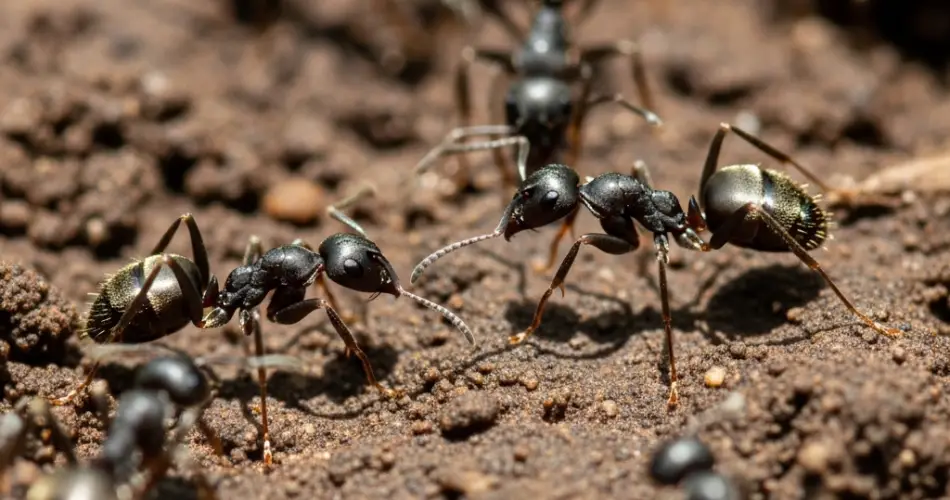
Fortunately, there is a homemade insecticide recipe that few gardeners know about but is highly effective in controlling a wide range of pests, including ants. This natural insecticide is easy to prepare, affordable, and safe for your plants, pets, and family.
This article will guide you through creating this powerful homemade insecticide and explain why it works so well in protecting your garden from all kinds of pests.
Why Choose Homemade Insecticides?
Before diving into the recipe, it’s essential to understand the benefits of using homemade insecticides over chemical alternatives:
-
Safety: Homemade insecticides use natural ingredients that are safe for humans, pets, and beneficial insects such as bees and ladybugs.
-
Environmentally Friendly: They do not pollute the soil, water, or air.
-
Cost-Effective: The ingredients are commonly found in most kitchens or easily sourced from garden stores.
-
Resistance Prevention: Pests are less likely to develop resistance to natural solutions compared to synthetic chemicals.
-
Versatility: Effective against a wide variety of pests, including ants, aphids, whiteflies, spider mites, and more.
Ingredients for the Homemade Insecticide
The key to this insecticide’s effectiveness lies in a combination of natural ingredients that repel and eliminate pests by disrupting their nervous systems, damaging their protective outer layers, or simply deterring them from feeding.
You will need:
-
1 liter (about 4 cups) of water
-
1 tablespoon of liquid soap (mild dish soap or insecticidal soap)
-
1 tablespoon of vegetable oil (such as sunflower or canola oil)
-
3 cloves of garlic, crushed
-
1 small onion, chopped
-
1 teaspoon of cayenne pepper or chili powder (optional, for extra pest deterrence)
How to Prepare the Homemade Insecticide
-
Prepare the Garlic and Onion Extract:
In a blender or food processor, combine the crushed garlic cloves and chopped onion with half a cup of water. Blend until you get a smooth mixture. This blend contains natural sulfur compounds that are toxic to many insects but harmless to plants and humans. -
Strain the Mixture:
Using a fine mesh strainer or cheesecloth, strain the blended garlic and onion mixture into a container. Remove the pulp to avoid clogging the spray nozzle. -
Mix the Ingredients:
In a spray bottle, combine the strained garlic and onion liquid with the remaining water. Add the liquid soap, vegetable oil, and cayenne pepper (if using). -
Shake Well:
Shake the spray bottle vigorously to blend all ingredients thoroughly.
How to Use the Homemade Insecticide
-
Application: Spray the solution directly onto affected plants, focusing on the undersides of leaves, stems, and areas where pests are visible.
-
Frequency: For best results, apply the insecticide every 5 to 7 days or after heavy rain to maintain protection.
-
Time of Day: Spray in the early morning or late afternoon to avoid leaf burn caused by the sun.
-
Precautions: Test the spray on a small section of your plant first to ensure it does not cause sensitivity or damage.
How Does This Homemade Insecticide Work?
-
Garlic and Onion: Both contain sulfur and sulfur-containing compounds, which have insecticidal properties. These compounds repel many pests and can interfere with their feeding and reproduction.
-
Liquid Soap: Acts as a surfactant, helping the solution stick to leaves and insect bodies, while also breaking down the protective waxy coating of pests like aphids and spider mites, causing dehydration.
-
Vegetable Oil: Coats insects and their eggs, suffocating them by blocking their breathing pores.
-
Cayenne Pepper: Contains capsaicin, a natural irritant that deters many pests due to its strong odor and taste.
Additional Benefits and Tips
-
This insecticide also works effectively against ants by disrupting their trails and deterring them from returning to your plants.
-
Since it’s non-toxic, it can be used around edible plants such as tomatoes, herbs, and lettuce without worry.
-
Avoid using on plants with sensitive leaves during extreme heat or direct sunlight to prevent leaf damage.
-
Store any unused insecticide in a cool, dark place for up to one week. Shake well before each use.
Complementary Pest Management Practices
While this homemade insecticide is powerful, combining it with other natural pest control methods enhances your garden’s overall health:
-
Encourage beneficial insects: Attract ladybugs, lacewings, and parasitic wasps, which prey on harmful pests.
-
Companion planting: Grow pest-repelling plants like basil, marigolds, or nasturtiums near vulnerable crops.
-
Maintain plant health: Well-watered and nourished plants resist pest infestations better.
-
Manual removal: Regularly inspect plants and remove pests by hand when possible.
Conclusion
Creating your own homemade insecticide using simple natural ingredients is an excellent way to protect your plants from pests and ants without resorting to harmful chemicals. This recipe is not only easy and inexpensive but also safe for your garden, pets, and family.
By incorporating this insecticide into your regular plant care routine, you can enjoy healthier, more vibrant plants and contribute to a sustainable gardening practice that respects the environment.


